Valencia
This post contains affiliate links. If you book through them, I may earn a small commission at no extra cost to you.
Why come: Valencia is Spain’s third largest city, with a very beautiful historic centre, a former riverbed made 9km long! The city is a very attractive centre with a 9 km long historic centre, the Turia Park, the magnificent futuristic cultural and architectural complex Ciutat de les Arts i les Ciènces and kilometres of sandy beach.
When to travel: Valencia has a pleasant Mediterranean climate, so the best time to travel is in spring or autumn, although winters are mild and sunny. I recommend avoiding July and August, when it is hot and humid and the city is quite crowded with tourists.
Note: Valencia’s old town and centre are built a little further from the beach than other Mediterranean cities, and the distance from the beach to the city is about 5 kilometres.
Similar Destionations: Barcelona, Madrid, Malaga.

ALSO READ
The best city in Spain to live?
Barcelona
Areas to Visit In Valencia
Ciutat Vella: Literally “the old town” which is full of historic architecture, great restaurants and nice cafes or just stroll down the narrow streets. The most famous district of the old town is El Carmen.
When: you want to see a beautiful, old town

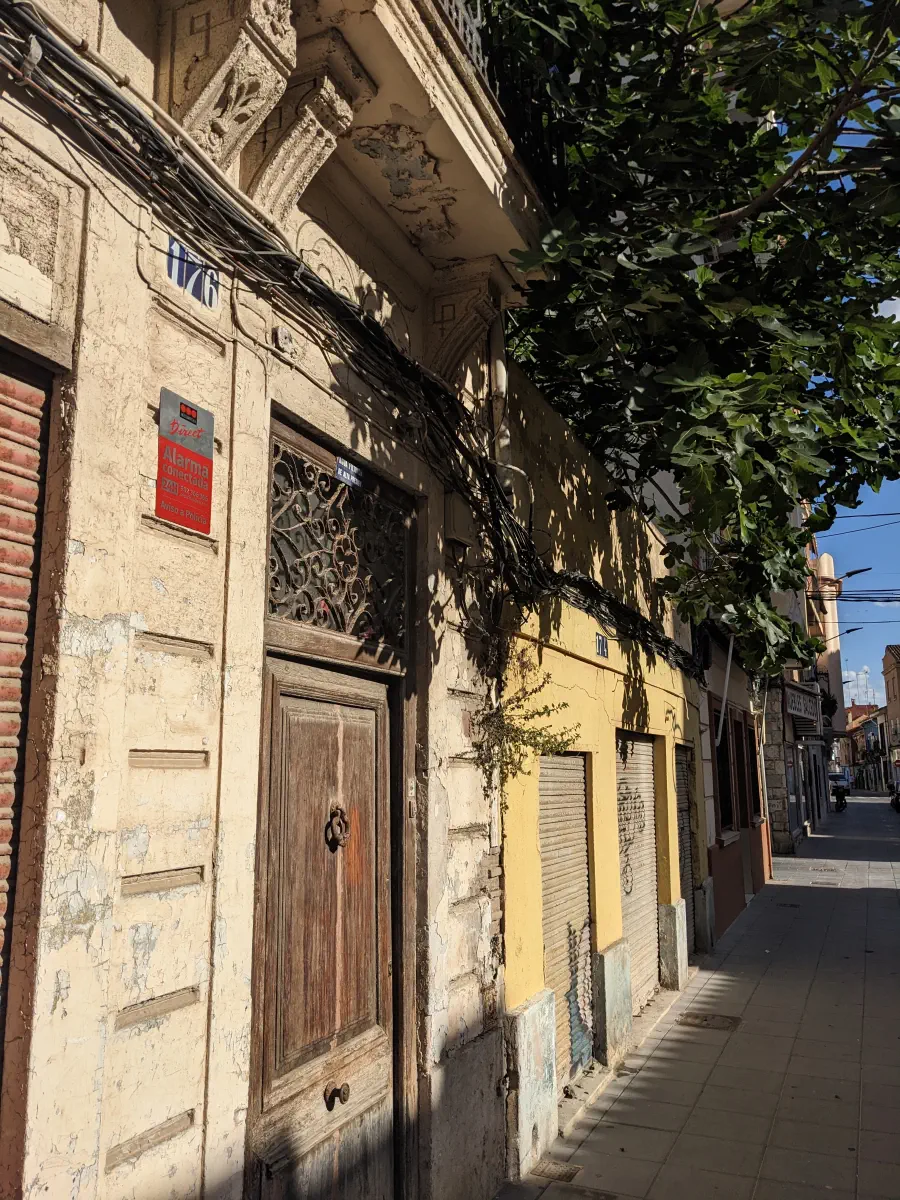
El Cabanyal: Lots of old, colourful houses, a long sandy beach,and in general a very special atmosphere where locals, especially in summer, sit on their chairs in the small streets with their families or friends. Lots of small museums and galleries and several cosy restaurants and bars. Definitely one of my favourite favourite Valencia Neighborhoods!
When: You want to go to the beach or see Art Nouveau houses

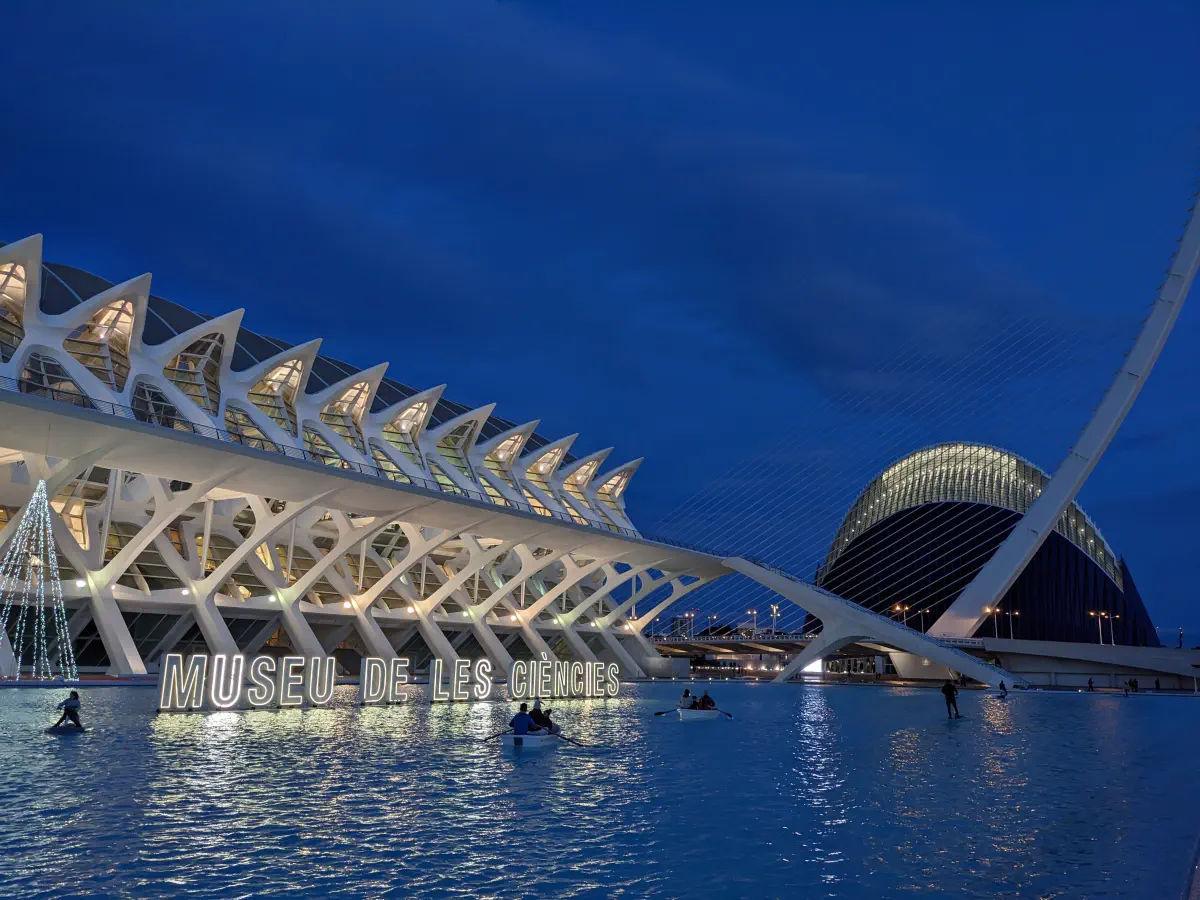
Ciutat de les Arts i les Ciències (Eng: City of Arts and Science): Stunning, futuristic buildings, including concert halls, museums and a cinema. Situated at the end of the Turia Park by the sea. If you can’t see anything else in Valencia, visit here!
When: you only have a little time

Ruzafa: Known for its nightlife and restaurants, as well as its fashion. You’ll also find plenty of cultural events here.
When: you wanna see local nightlife or just feel the vibes

How many days do you really need in Valencia?
Valencia is the easiest of Spain’s big three to plan for. Two days covers the city. Three lets you do it without rushing. Four if you want a day trip and a slow paella lunch on the lagoon.
This is how I would go about spending my vacation here depending on the number of days I have:
One day. Walk through the old town starting at the Mercado Central, climb the Miguelete tower at the cathedral for the city view, lunch on horchata and fartons at a Valenciano-style café, afternoon at the City of Arts and Sciences (the buildings outside are free; pick one museum if you want to go in), dinner in the Ruzafa neighbourhood.
Two days. Add a long morning on the Turia park bike path. The riverbed was diverted in the 1950s after a flood; the old course is now a 9-kilometre green strip running through the city. Rent a bike, ride from the cathedral end to the Oceanogràfic, eat lunch at the beach (Malvarrosa), ride back. Afternoon free.
Three to four days. Day one as above. Day two, Albufera lagoon, half an hour south, where paella was actually invented. Boat ride at sunset, paella valenciana lunch in El Palmar (the village where it should be eaten). Day three, slow morning, Mercado de Colón, Ruzafa for shops and lunch, afternoon at the beach.
For where to base yourself, the six neighbourhoods I compare here matter. Ciutat Vella feels different from Ruzafa, which feels different from the beach, and the trip you have depends on which one you pick.
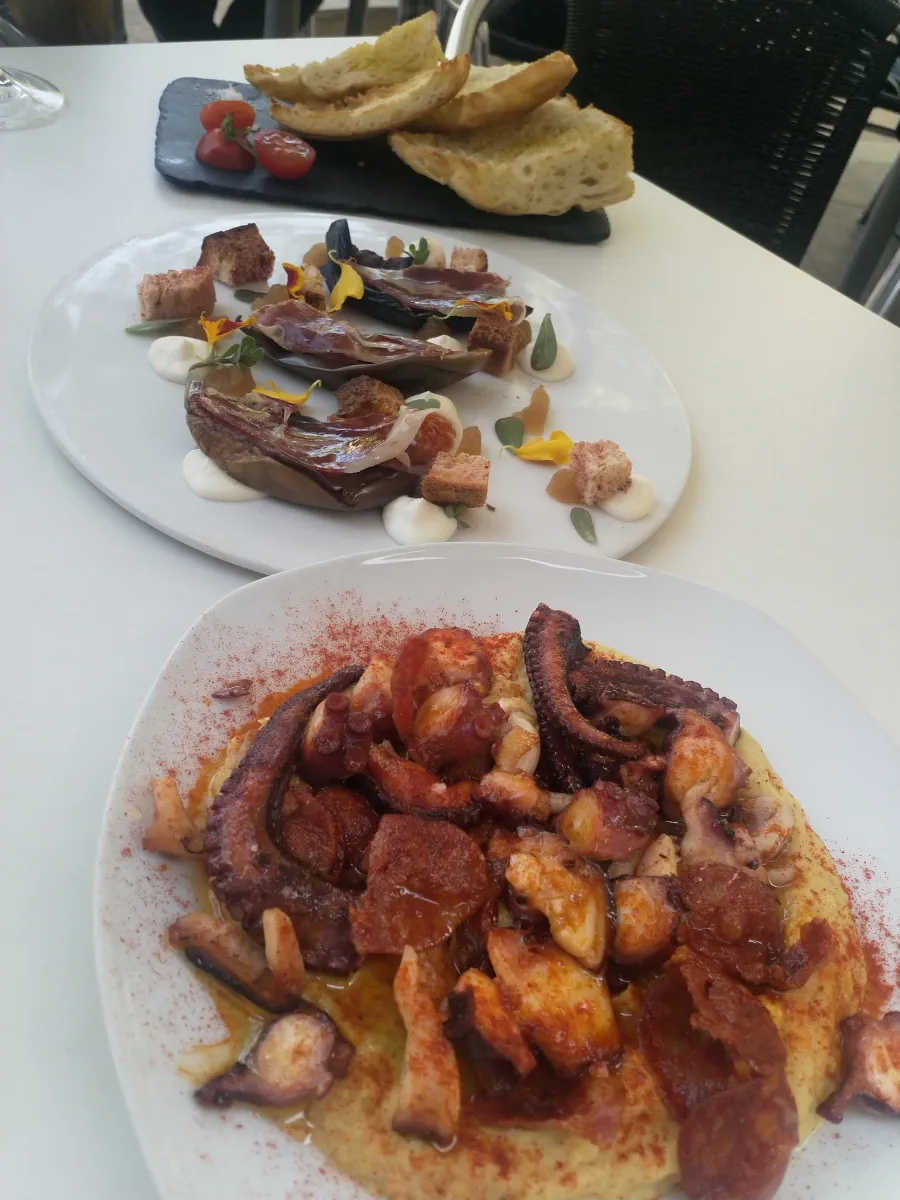
What to eat in Valencia (yes, this is where paella comes from)
Paella is from Valencia. Not Madrid, not Barcelona, not the seafood version sold by tourist places everywhere on the coast. Paella valenciana is the original: rabbit, chicken, white and green beans, snails when in season, a flat rice cooked over wood. No seafood. No chorizo (Spaniards do not put chorizo in paella, and anyone who does is selling to tourists).
Where to eat it: Albufera, half an hour south of the city. The villages around the lagoon, El Palmar especially, are where the dish was made for centuries. A Sunday lunch there is the right experience. In the city itself, La Pepica on the Malvarrosa beachfront is the classic name (Hemingway ate there); plenty of newer places cook a better paella, so don’t feel beholden.
Other things to know about:
- Horchata and fartons. Horchata is a sweet drink made from tiger nuts, served cold; fartons are sugared elongated buns for dipping. Mid-afternoon snack. Horchatería Daniel and Santa Catalina are the famous spots.
- Agua de Valencia. Orange juice, cava, vodka and gin. Looks innocent, isn’t. One glass is fine. Two becomes a different evening.
- Esgarraet. Shredded salt cod with red peppers, a Valenciano starter. Better than it sounds.
- Buñuelos de calabaza in autumn. Pumpkin doughnuts sold from street stalls. The version eaten with hot chocolate is the move.
Mercado Central is the morning visit. Mercado de Colón is the afternoon one (modernist building, nice cafés inside).
Festivals: Las Fallas is the headline
Valencia’s festival calendar is dominated by one event.
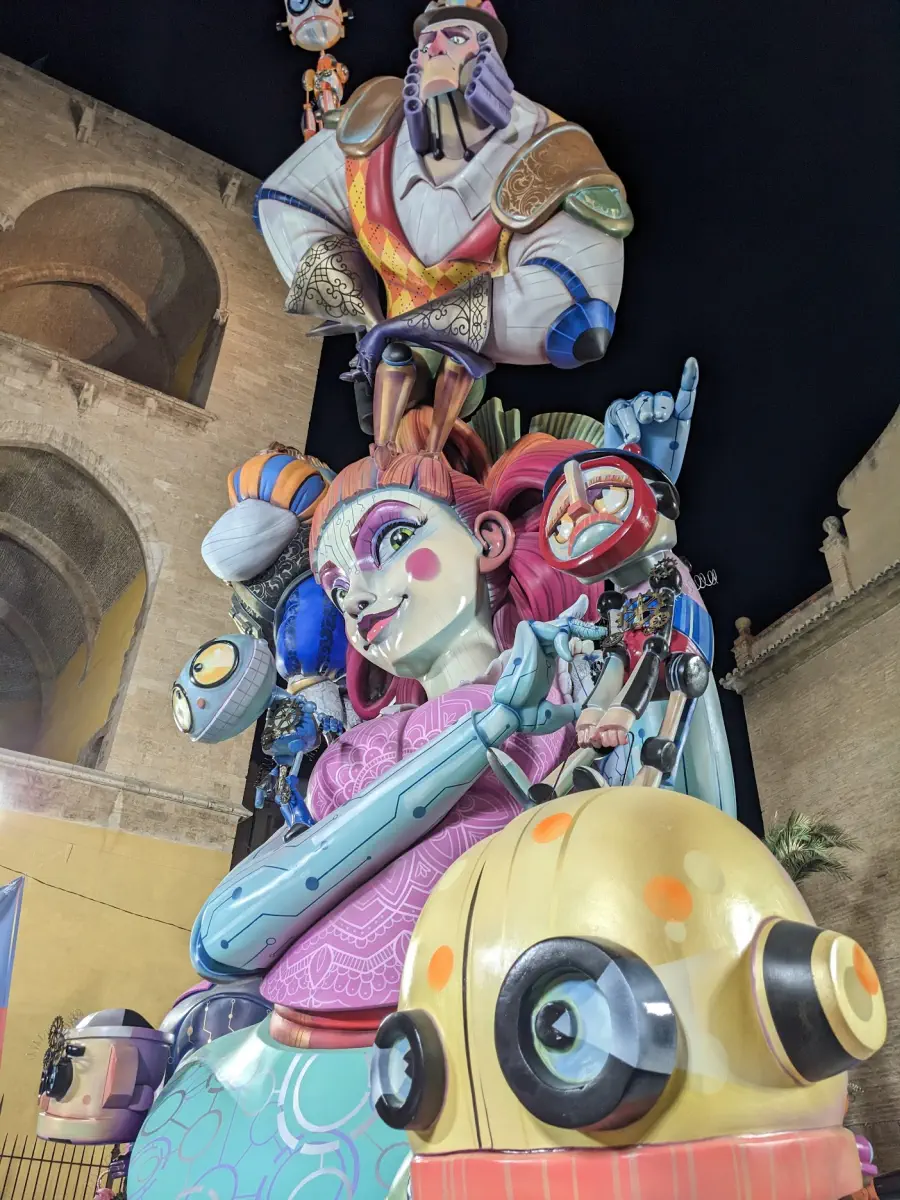
Las Fallas (15–19 March) is one of Spain’s biggest festivals. Hundreds of huge satirical sculptures (fallas) are built around the city by neighbourhood committees, and on the night of the 19th they all burn. There are daily firecracker displays (mascletà) at 14:00 in the city hall square; the noise is physical, not just audible. Book accommodation six months ahead. Expect crowds, smoke, and a kind of celebratory chaos that doesn’t exist anywhere else.
If Fallas dates don’t work, three smaller events worth knowing about:
Tomatina (last Wednesday of August, in the village of Buñol an hour west) is the famous tomato fight. Day-trip from Valencia. Buy tickets in advance.
Holy Week (Setmana Santa) in the Cabanyal neighbourhood is unusual. Fishermen’s processions, less formal than Andalusian versions, more local in feel.
Nit del Foc deserves its own mention. The biggest fireworks display of the year, around 1:30 in the morning during Fallas, in the Turia park. If you’re in Valencia at the right time, this alone justifies the trip.
Worst time to visit: late July through August. Hot, humid, locals on holiday, the city quieter than it should be.
Albufera and the original paella
The Albufera is a freshwater lagoon 11 kilometres south of Valencia, separated from the sea by a strip of pine and beach. It is where paella was invented in the rice fields around the lake, where it is still cooked properly today, and where you should eat it at least once on this trip.
How to do it. Bus 25 from the city centre takes about 50 minutes to El Palmar; a taxi or rideshare is faster but several times the price. Aim for late lunch (Spanish standard, around 14:30). Book a paella lunch at one of the village restaurants. The kitchen needs about 40 minutes from order, so allow a long meal. Stay for the sunset boat ride from El Palmar’s small harbour (embarcadero); flat-bottomed boats glide through reeds with the sun behind them, and the whole afternoon is a different speed from the city.
If you go in autumn, the rice is being harvested and the landscape is at its best. Spring is the second-best window. Avoid mid-summer if you can; the mosquitoes around the lake are fierce after sunset.
Best viewpoints in Valencia
- Miguelete (the cathedral tower). Around 207 spiral steps, small fee, full panoramic of the old city from the centre. The classic shot. Earlier in the day for fewer people.
- Torres de Serranos. The medieval city gate at the north edge of the old town. Climb to the top for the best look at the Turia park stretching east to west.
- Torres de Quart. The western gate, less visited than Serranos. Pockmarks from cannonballs from Napoleon’s siege still in the stone. A quieter view.
- City of Arts and Sciences at night. The buildings light up after sunset. Walk along the reflecting pools; the Hemisfèric mirrored in the water at blue hour is the most photographed angle and earns it.
- Malvarrosa beach pier at sunrise. East-facing, so the sun comes up over the water. Quiet, even in summer, before 8am.

Practical tips for first-time visitors
The things you’ll wish someone had told you.
Airport (VLC) to the city. Metro lines 3 and 5 connect the airport to the centre in about 25 minutes; tickets are a few euros. Taxis are roughly five times that. The metro is faster than a taxi at peak hours.
Beach to centre. Bus 32 or tram line 4 — both about 25 minutes. A bike along the Turia park is faster, and the better experience. The old town is roughly 5 km from Malvarrosa.
Language. Spanish (Castellano) and Valenciano are both official. Most signage is bilingual. Locals switch comfortably between the two. English is good in tourism areas, less so in Russafa or Cabanyal.
Money. Contactless everywhere. Tipping not required. Round up.
Pickpockets. Less of a problem than Barcelona, but the Mercado Central area and the metro at peak hours are still worth attention.
Siesta. Old-town shops often close 14:00 to 17:00. Restaurants run on Spanish hours; kitchens generally open at 13:30 for lunch and 21:00 for dinner. Earlier-evening tapas culture exists in Ruzafa.
Tap water. Drinkable. Locals drink bottled in summer for taste.
Valencia with kids: an under-rated family city
Valencia is one of Spain’s better cities for travelling with children, and most people don’t know it.
The Turia park is the killer feature. Nine kilometres of flat green space with playgrounds every kilometre, no traffic, a long bike path, and the Gulliver playground at the eastern end (a giant Gulliver figure with slides built into him; kids love it, adults love it). Rent two bikes, ride the length, stop at three playgrounds.
The Oceanogràfic at the City of Arts is one of Europe’s larger aquariums. Half a day inside, easy. The Bioparc on the other side of the city is the open-style zoo with wide enclosures, also half a day.
The beach at Malvarrosa is wide and flat, with calm water and a long boardwalk. Easier than Barceloneta, less crowded than Costa Blanca beaches in August. Lunch at a chiringuito on the sand is a default.
What’s hard: Las Fallas is loud, smoky, and not for small kids. Otherwise the city scales down well, with a pushchair-friendly metro, short distances, and a kid-comfortable food culture.
How to move around in Valencia
Walking: in the city centre and the old town, this is by far the best way to walk. It is worth noting that when the green light is flashing, it is best to wait, as in Valencia drivers do not always wait for their own green lights.
Taxi: there are plenty of taxis in the city, they are cheap and you can usually catch a free taxi on the street (green light on the roof) within a minute. The Free Now button works well.
Public transport: Valencia has a good public transport network, although some bus routes are quite slow. A 10-trip ticket costs only €5.6, but you need to buy a rechargeable card, e.g. at a metro station. You can buy loose tickets at stations or on buses and from 02/23 you can even pay for them with a card!
By bike: There are over 156km of cycle paths in Valencia. Most of them are perfectly isolated from cars and walkers, and as the city has few altitude differences it is a city made for exploring by bike. Valencia has many bike hire shops which you are sure to come across as you walk around the city.
Planning a trip to the city? Here are the best-rated hotels and apartments:
Stay22 compares prices across Booking.com and other platforms
Get Spain travel tips in your inbox
Occasional, genuinely useful emails — best times to visit, local tips, and deals. No spam.
Plan your trip to Spain
- Trip.com: A great source for finding flights and airport connections. I have noticed that it finds flight connections that some other search engines miss.
- Booking.com: My favourite site for booking hotels and apartments (and occasionally flights). They have the best filters and I like the user friendly interface.
- Hotels.com: The most popular hotel booking platform in many countries, US included.
- Get Your Guide: A massive selection of tours and excursions. They have tons of options available in Spain, including walking tours, cooking classes, museum options, boat tours and more!
- DiscoverCars: Want to explore charming villages and get out of the busy cities? DiscoverCars pools together the best offers from car rental operators for your convenience.
- Omio: Want to find the best option to move between cities in Spain? I use Omio for that. Plus you get to book the ticket from the same amazing platform.
- yesim: Need a local SIM card for your trip to Spain? A stress free holiday nowadays (unfortunately) might start from a good connection, so get an eSIM with unlimited or prepaid data.
- NordVPN: Hotel, café and airport Wi-Fi in Spain is shared with everyone else on it. A VPN keeps your banking and bookings private, and lets you watch the services you already subscribe to at home while you are away.
- VisitorCoverage: Not interested in checking out Spanish public health care system on your holiday? (like I've managed to do..) A cheap travel insurance gets that stress out of the way.
Some links above are affiliate links. If you book through them I may earn a small commission, at no extra cost to you.