Where to Stay in Fuerteventura: 5 Best Areas Compared
This post contains affiliate links. If you book through them, I may earn a small commission at no extra cost to you.
Fuerteventura is the second-largest Canary Island and one of the flattest, which gives it that dry, desert-like climate and some of the longest unbroken stretches of sand in the entire archipelago. But figuring out where to stay in Fuerteventura matters more than on most islands. The place is spread out. The airport sits near Puerto del Rosario in the center-east, Corralejo is about 35 minutes north, and the Jandía Peninsula is a solid 90-minute drive south. Picking the wrong base means a lot of unnecessary time behind the wheel.
The best area for most visitors is Corralejo. It has the strongest mix of restaurants, nightlife, and beach access without the all-inclusive bubble feel. But families with younger kids often prefer Jandía’s calmer waters, and anyone chasing solitude should look at the west coast villages instead. If you’re still deciding whether Fuerteventura is the right island for your trip, our Canary Islands guide breaks down how the archipelago’s seven main islands compare.
Here’s a quick comparison before we break each area down:
| Area | Vibe | Price Level | Best For |
|---|---|---|---|
| Corralejo | Lively resort town with surfer edge | Mid-range | Couples, solo travelers, water sports |
| Jandía / Morro Jable | Relaxed, resort-heavy | Mid-range to Luxury | Families, all-inclusive seekers |
| Puerto del Rosario | Working city, not touristy | Budget to Mid-range | Business travelers, ferry connections |
| El Cotillo | Laid-back surf village | Budget to Mid-range | Surfers, couples wanting quiet |
| Betancuria / Pájara | Inland, rural, very quiet | Budget | Hikers, nature lovers, road trippers |
Best Accommodation Options in Corralejo for Beach Lovers
Corralejo sits at Fuerteventura’s northern tip, directly facing Lanzarote across the strait, and it punches well above its weight for a town this size. The main strip along Avenida Nuestra Señora del Carmen is packed with tapas bars, surf shops, and international restaurants. Walk ten minutes south and you hit the edge of the Corralejo Dunes Natural Park, where the sand stretches for over 8 kilometers along the coast. For more on the beaches and things to do beyond your hotel, our Fuerteventura travel guide covers the full island.
That dune system is the main draw. The beaches closest to town (Flag Beach, for example) attract kitesurfers and windsurfers, and equipment rental shops line the road. Further along, the beaches thin out and get quieter. You can walk for 20 minutes and barely see another person.
Accommodation here ranges from apartment complexes a few blocks inland to resort hotels right on the waterfront. Staying in the old town center puts you within walking distance of everything, but expect more noise on weekend nights. The streets around the harbor and the small Playa de Corralejo (the town beach, not the dunes) are where most bars concentrate.
For a quieter setup, look at properties south of the center near the road to the dunes. You’ll need a short walk or a bike ride to reach restaurants, but you’re closer to the best sand. Renting a car here isn’t strictly necessary for day-to-day life, though you’ll want one if you plan to explore the rest of the island. Local rental companies like Cicar tend to offer better deals than the international chains at the airport. Discovercars is your friend here as well to compare those deals.
One thing to factor in: Fuerteventura is windy. Almost every day. Corralejo catches the trade winds head-on, which is great for kiting and terrible for anyone who hates sand in their coffee. If wind sensitivity is your thing, Jandía’s more sheltered beaches might suit you better.
Who should skip Corralejo? Anyone wanting a pure all-inclusive resort experience. The town is built around independent restaurants and self-catering apartments, not wristband buffets.
Where to Stay in Fuerteventura’s Southern Resorts: Jandía and Morro Jable
The Jandía Peninsula is about as far south as you can get on the island. Morro Jable, the main settlement, has a working fishing harbor, a long golden beach called Playa del Matorral, and a promenade lined with palm trees and resort complexes. It feels noticeably different from Corralejo, more polished, quieter at night, and heavily geared toward package holidays.
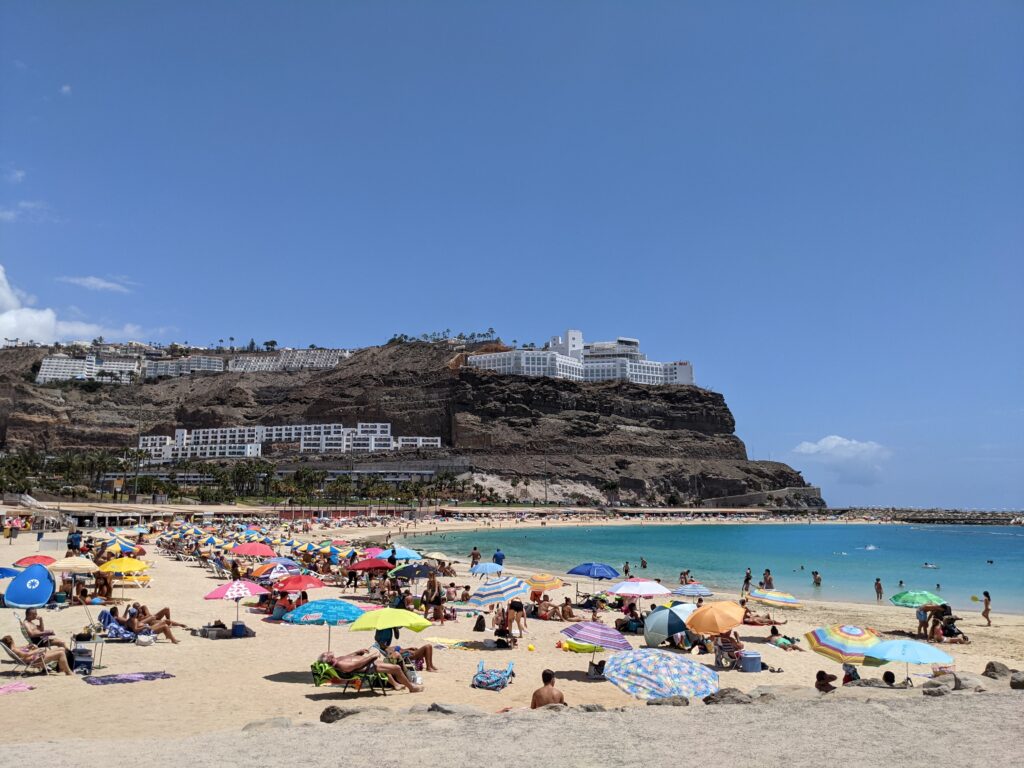
This is the area with the highest concentration of all-inclusive resorts on Fuerteventura. German and Scandinavian tour operators have been sending families here for decades. The beaches are wide and the water is calmer than up north, which makes them better for small children. Playa de Sotavento, a few kilometers north of Morro Jable, regularly appears on lists of Spain’s best beaches for a reason: the shallow lagoons that form at low tide are knee-deep for hundreds of meters.
The downside? Jandía is isolated. The drive to Corralejo takes at least 90 minutes, and Puerto del Rosario is about an hour away. The restaurant scene outside the resorts is limited. If your hotel’s food disappoints, your options narrow fast. A handful of seafood spots around the Morro Jable harbor serve fresh catch, but don’t expect the variety you’d find up north.
Budget travelers can find apartment rentals in Costa Calma, a smaller resort settlement between the airport and Morro Jable. Prices drop compared to the big Jandía resorts, and you’re still near good beaches. But Costa Calma has even less going on outside the hotels. You’ll definitely want a car.
Best for: families with kids under 10, anyone who wants to book an all-inclusive and barely leave the resort, and windsurfers headed to Sotavento (which hosts international competitions). Skip it if you want nightlife or cultural experiences beyond the pool bar.
Accommodation in Puerto del Rosario: The Capital’s Lodging Scene
Nobody goes to Puerto del Rosario for vacation. That’s not an insult, just a fact. It’s Fuerteventura’s administrative capital, where locals work, shop, and catch ferries to Gran Canaria and Lanzarote. The town has a few open-air sculpture installations, a small beach (Playa Chica), and a main shopping street. That’s about it for sightseeing.
So why stay here? Three reasons. First, it’s the closest town to Fuerteventura airport (about 10 minutes by car), which makes it practical for late arrivals or early departures. Second, Fuerteventura hotels here cost less than in the resort areas because there’s almost no tourist premium. Third, the ferry terminal connects to other Canary Islands via Naviera Armas and Fred Olsen, so if you’re island-hopping, sleeping near the port saves time.
Accommodation is mostly mid-range business hotels and small guesthouses. Don’t expect resort amenities. The restaurants in town serve solid local food (try the goat, it’s a Canarian staple), and you’ll eat alongside residents rather than tourists. For anyone wanting to understand what daily life on Fuerteventura actually looks like, a night here is more revealing than a week in Corralejo.
That said, spending your whole trip here would be a waste. Use it as a layover, not a base.
Budget-Friendly and Luxury Where to Stay Options in Fuerteventura
What you’ll pay depends heavily on when you visit and where. Fuerteventura’s high season runs roughly from November through March, when Northern Europeans flee the cold. Prices can jump 40-50% compared to the quieter months of April through June.
Budget (Under EUR 80/night)
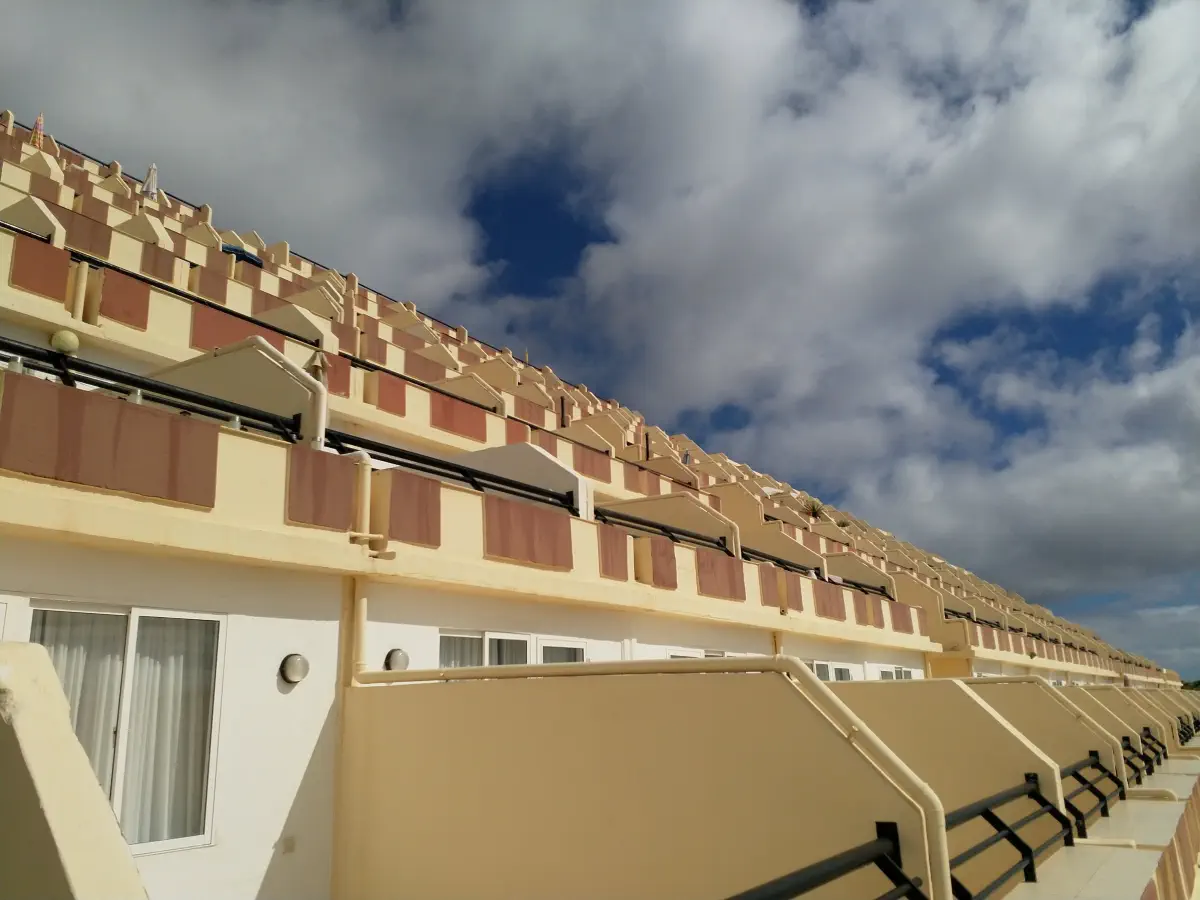
Self-catering apartments in Corralejo and Costa Calma are the go-to for budget travelers. Many are older complexes built in the 1990s and 2000s, perfectly functional if not exactly stylish. Hostels exist but they’re rare on the island. Apartment rentals through booking platforms typically include a small kitchen, which saves money on eating out. Puerto del Rosario also has some of the cheapest rooms on the island.
Mid-Range (EUR 80–180/night)
This tier gets you a proper hotel with a pool, breakfast buffet, and some sea views. Corralejo and Morro Jable both have plenty of options in this bracket. Half-board deals are common, especially in the south. At this price point, you’re looking at 3- and 4-star properties with decent reviews.
Luxury (EUR 200+/night)
The top-end resorts cluster around Jandía, with a few in Corralejo. Expect infinity pools, spa facilities, and direct beach access. All-inclusive packages at this level tend to be genuinely good, with multiple restaurant options and premium drinks included. A few boutique-style properties have appeared in recent years, particularly converted rural houses (casas rurales) in the inland villages.
One tip: compare prices directly on hotel websites against booking platforms. Fuerteventura hotels frequently offer better rates or room upgrades when you book direct, especially outside peak season.
Remote Villages and Quieter Areas: Where to Stay Away from Tourist Crowds
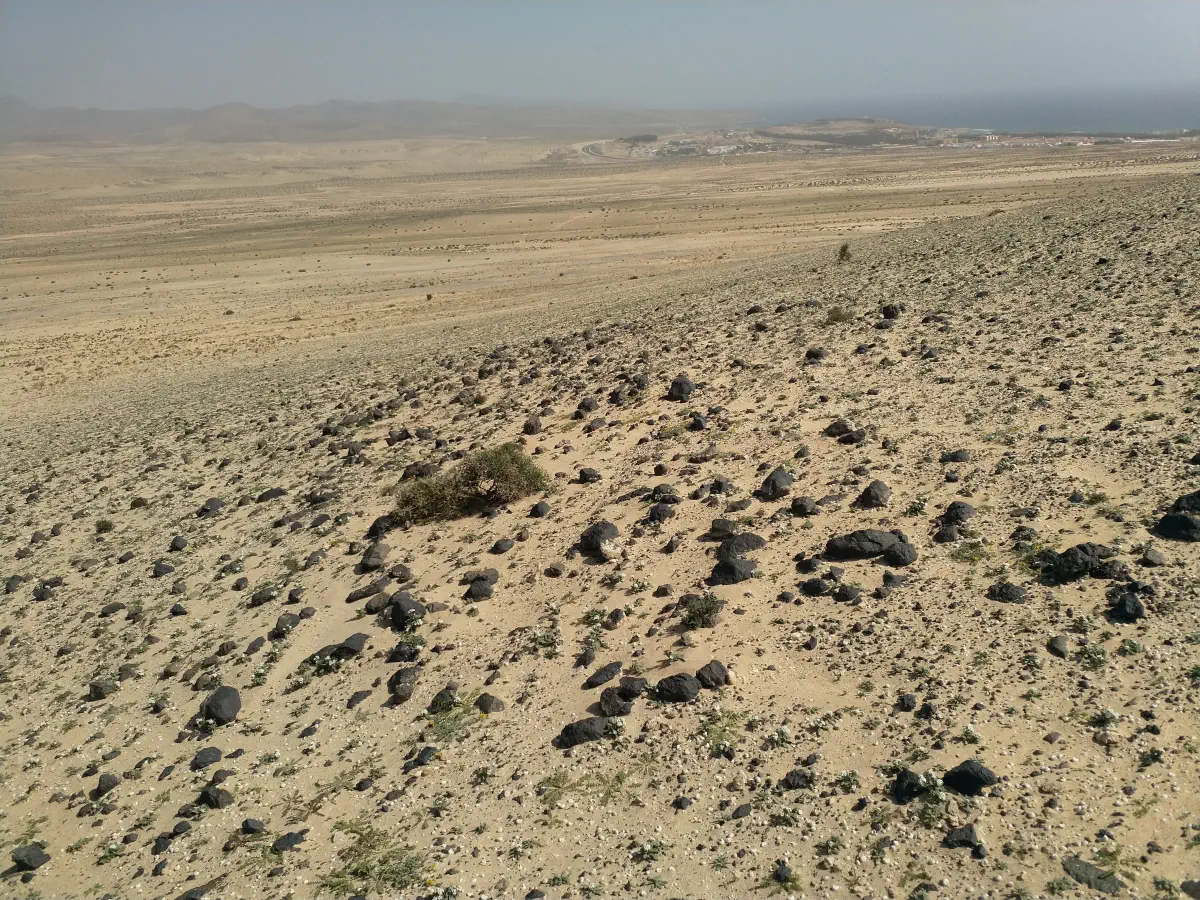
Betancuria was Fuerteventura’s original capital, and it sits in a valley in the center of the island surrounded by volcanic ridgelines. The village has a population of a few hundred, a church dating to the 15th century, and a handful of restaurants that close early. Staying here means total quiet, dark skies at night, and a car as your lifeline to everything else.
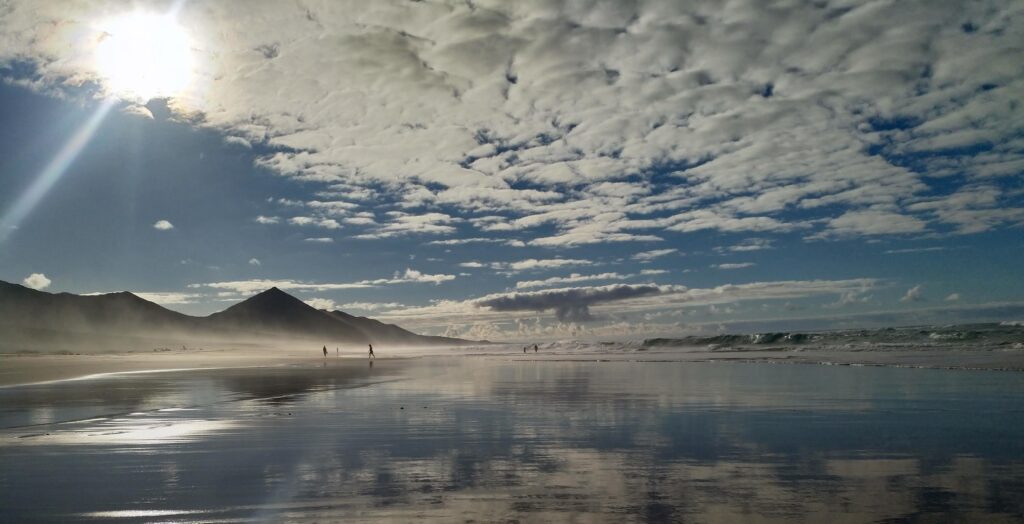
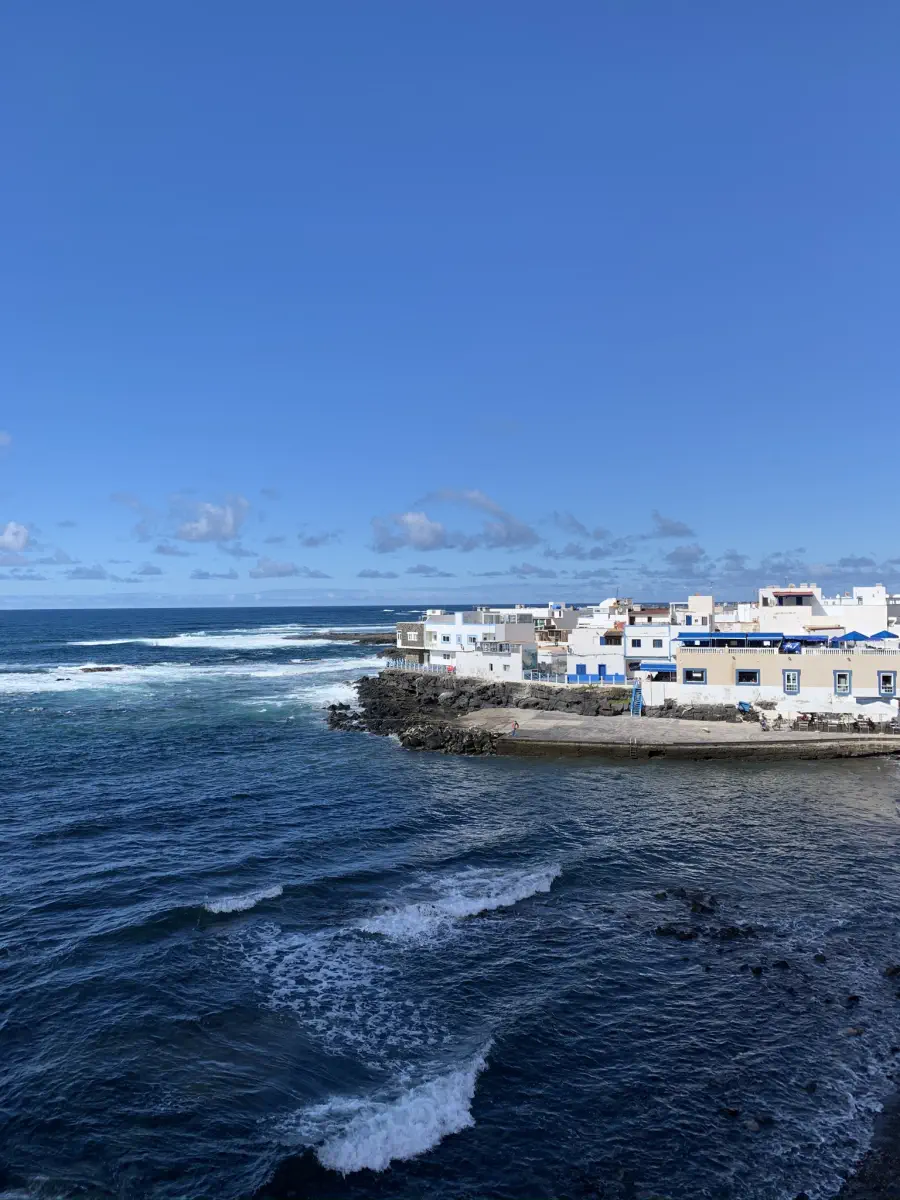
El Cotillo, on the northwest coast, splits the difference between remote and accessible. It’s a small fishing village with two distinct beach zones: the exposed surf beaches to the north (popular with experienced surfers) and the sheltered lagoons to the south, where the water sits calm behind natural rock barriers. The village has enough cafes and restaurants to keep you fed for a week without repeating, but no clubs, no resort complexes, and limited shopping.
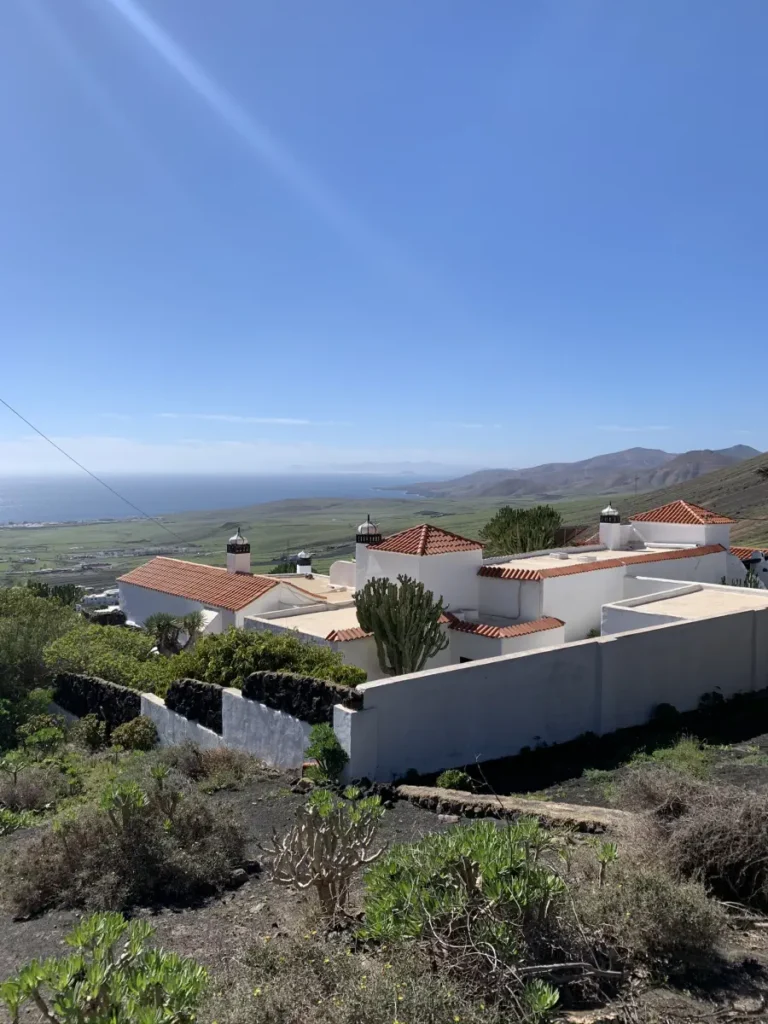
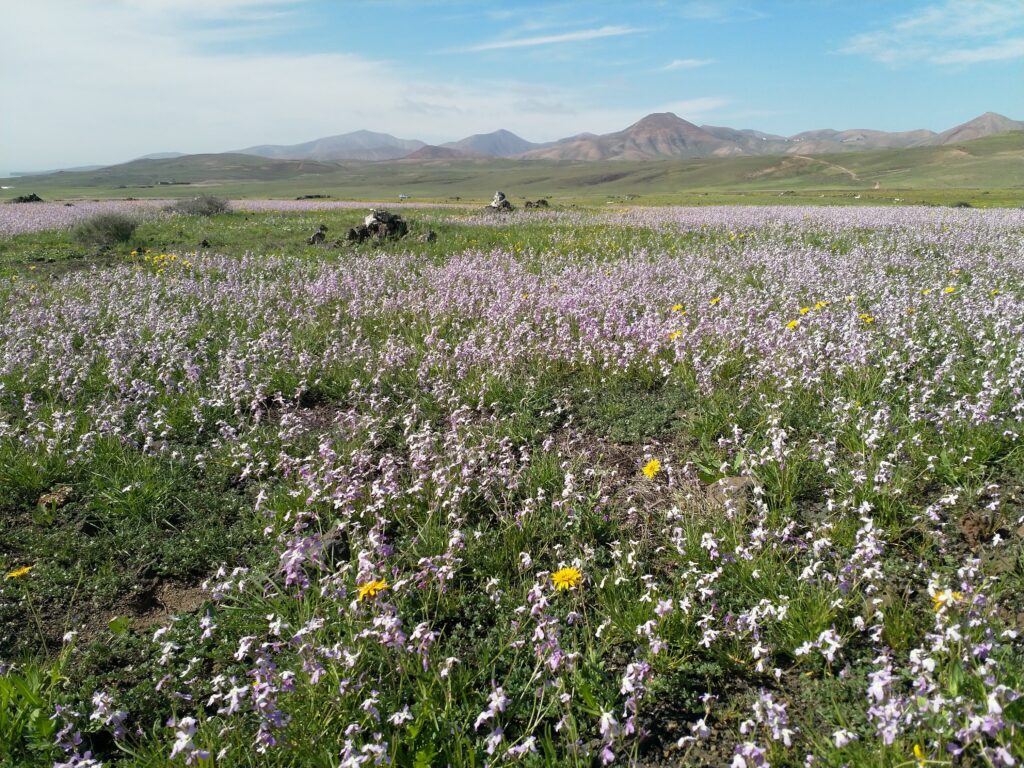
Pájara and Antigua, both inland, offer rural guesthouses surrounded by volcanic landscape. They’re good bases for hiking the barrancos (dry river valleys) and exploring the island’s interior. But infrastructure is minimal. Wi-Fi can be patchy, supermarkets require a drive, and public buses are infrequent.
These areas reward a specific type of traveler: someone who rents a car, packs light, and treats the accommodation as a place to sleep rather than a destination. If you need a pool and a cocktail menu, look elsewhere.
FAQ: Common Questions About Where to Stay in Fuerteventura
What’s the best area for families?
Jandía and Morro Jable. The beaches have calmer waters, the resorts are set up for children, and the all-inclusive format simplifies logistics. Costa Calma works too, especially if you want to save money on accommodation.
Do I need a rental car?
Yes, unless you’re staying in an all-inclusive resort and don’t plan to leave it. Public buses connect the main towns but run infrequently, and taxis add up quickly on an island this size. Local rental companies like Cicar and Autoreisen often beat the international chains on price and service.
How far is the airport from Corralejo?
About 35-40 minutes by car via the FV-1 motorway. Jandía is further, roughly 90 minutes south. Puerto del Rosario is the closest town to Fuerteventura airport, just a 10-minute drive.
What’s the weather like, and when should I visit?
Fuerteventura weather stays mild year-round, averaging around 13°C in January and 19°C in July, though it feels warmer on the beach thanks to near-constant sunshine. The island has a drier, more desert-like climate than the western Canary Islands like Tenerife, which means less cloud cover and more reliable beach days. Wind is the bigger factor: the trade winds blow almost daily, and occasional Calima events bring hazy, hot air and Saharan dust (usually lasting less than a week). Summer (June to September) is dry and warm. Winter (November to March) is peak tourist season, with higher prices but still comfortable temperatures. The sweet spot for good weather and lower prices is April through June or October.
When should I book?
For the winter high season (November to March), book at least two to three months ahead. Prices drop significantly from April onward. Late spring and early autumn offer warm weather, lower prices, and fewer crowds. If a sunny spring holiday is what you’re after, Fuerteventura is one of the most reliable bets in Europe.
Is all-inclusive worth it?
In Jandía, where restaurant options outside resorts are limited, all-inclusive makes sense. In Corralejo, you’d be missing out. The town’s independent restaurants and tapas bars are half the appeal, and self-catering apartments give you flexibility to eat what you want, when you want.
Can I island-hop from Fuerteventura?
Ferries run from Puerto del Rosario and Corralejo. The Corralejo to Playa Blanca route takes about 25 minutes and runs multiple times daily with Fred Olsen and Naviera Armas, making day trips to Lanzarote easy. Getting to Gran Canaria or Tenerife requires a longer ferry or a short flight.
Get Spain travel tips in your inbox
Occasional, genuinely useful emails — best times to visit, local tips, and deals. No spam.
Plan your trip to Spain
- Trip.com: A great source for finding flights and airport connections. I have noticed that it finds flight connections that some other search engines miss.
- Booking.com: My favourite site for booking hotels and apartments (and occasionally flights). They have the best filters and I like the user friendly interface.
- Hotels.com: The most popular hotel booking platform in many countries, US included.
- Get Your Guide: A massive selection of tours and excursions. They have tons of options available in Spain, including walking tours, cooking classes, museum options, boat tours and more!
- DiscoverCars: Want to explore charming villages and get out of the busy cities? DiscoverCars pools together the best offers from car rental operators for your convenience.
- Omio: Want to find the best option to move between cities in Spain? I use Omio for that. Plus you get to book the ticket from the same amazing platform.
- Klook: Need a local SIM card for your trip to Spain? A stress free holiday nowadays (unfortunately) might start from a good connection, so get an affordable eSIM here.
- VisitorCoverage: Not interested in checking out Spanish public health care system on your holiday? (like I've managed to do..) A cheap travel insurance gets that stress out of the way.
Some links above are affiliate links. If you book through them I may earn a small commission, at no extra cost to you.