Where to Stay in Gran Canaria: Best Areas Guide
This post contains affiliate links. If you book through them, I may earn a small commission at no extra cost to you.
Deciding where to stay in Gran Canaria comes down to one question more than any other: do you want a real city or a purpose-built resort? The island splits cleanly along those lines. The north is anchored by Las Palmas – a working Canarian city with a proper beach and a colonial old quarter worth getting lost in. The south is resort territory, with year-round sun, sand dunes, and all-inclusive hotels stacked along the coast. If you’re still deciding between islands, the Canary Islands guide covers the full archipelago.
The island is compact enough that you can base yourself in one area and day-trip to the other – Las Palmas to Maspalomas takes about 45–50 minutes by car. But for a first visit, picking the right base matters. Below is a quick comparison of the main areas before we dig into each one.
| Area | Vibe | Price Level | Best For |
|---|---|---|---|
| Las Palmas (Vegueta/Triana) | Historic, urban, cultural | Budget–Mid-range | Culture lovers, solo travelers, city breaks |
| Las Palmas (Playa de Las Canteras) | Beach city, laid-back | Mid-range | Surfers, couples, longer stays |
| Maspalomas/Playa del Inglés | Resort, package holiday | Mid-range–Luxury | Families, sun-seekers, all-inclusive |
| Meloneras/Puerto Rico | Quieter resort, upmarket | Mid-range–Luxury | Couples, watersports, relaxation |
| Interior villages (Tejeda, Artenara) | Rural, slow-paced | Budget–Mid-range | Hikers, authenticity seekers |
Where to Stay in Gran Canaria’s Capital: Las Palmas Neighborhoods
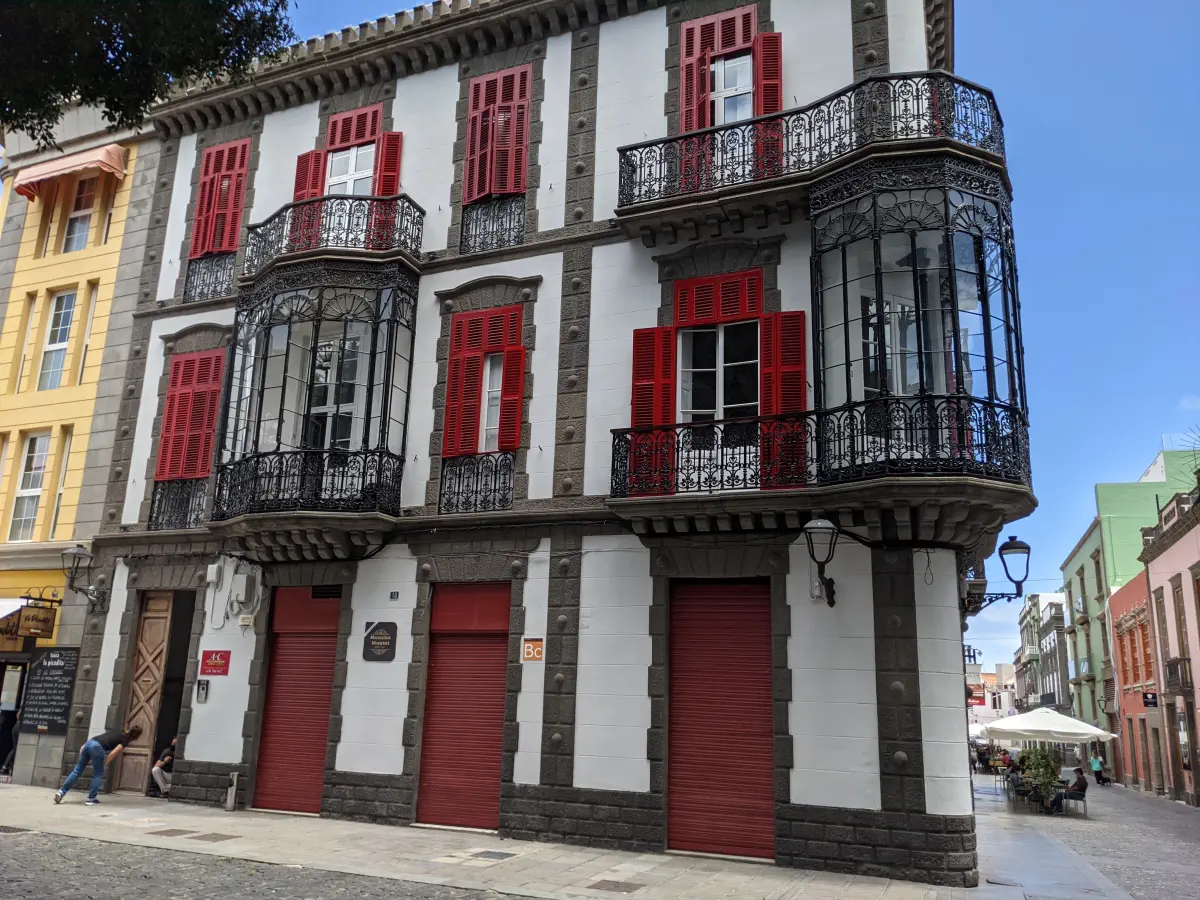
Most visitors fly south and never bother with Las Palmas. That’s a mistake. The city has a proper urban beach – Playa de Las Canteras – that’s 3km of dark volcanic sand backed by a pedestrian promenade, plus a colonial old quarter (Vegueta) that dates back to the 15th century. This is where the Spanish crown launched its Atlantic expeditions, and the cathedral at its center has been under construction in various forms ever since.
The two neighborhoods to know are Vegueta and Triana. Vegueta is the old town, cobblestoned and quiet after dark, with a Saturday market and the Casa de Colón museum. Triana sits just north and functions as the city’s commercial heart, with pedestrianized shopping streets, tapas bars, and a mix of locals and university students. Accommodation here tends to run cheaper than in the south, with solid mid-range guesthouses and boutique hotels filling the converted townhouses.
For beach access, the Playa de Las Canteras neighborhood is the better pick. The whole strip is walkable, the surf conditions draw year-round visitors, and the evening paseo along the seafront is one of the better free activities on the island. Restaurants along Calle Luis Morote stay busy late into the evening. Transit to the south is handled by the GC-1 motorway, and bus lines (Guaguas Municipales) connect the main neighborhoods within the city.
Weather plays a role in this choice too. Las Palmas sits on the northeast coast and catches more cloud cover than the south, particularly in winter months. Average temperatures hover around 19°C in summer and 13°C in January – mild, but noticeably cloudier than Maspalomas on a typical winter week.
Solo travelers and couples who’d rather be in a real city than a resort will almost always prefer Las Palmas. The flipside: if you’re coming purely for sun and beach, the south gets significantly more sunshine hours. For context, Tenerife has a similar north-south split – the sunny south versus the cloudier north – so it’s a pattern worth knowing across the Canaries.
Best Beachfront Accommodations in Gran Canaria
Two beaches define the choices here. Playa de Las Canteras in Las Palmas is a city beach – you’re surrounded by restaurants, surf schools, and locals going about their day. The water is calm on the inner side of the reef, which makes it good for families with young children or anyone who wants to swim without battling waves. Hotels along the Paseo de Las Canteras are mid-range, and you can walk to everything.
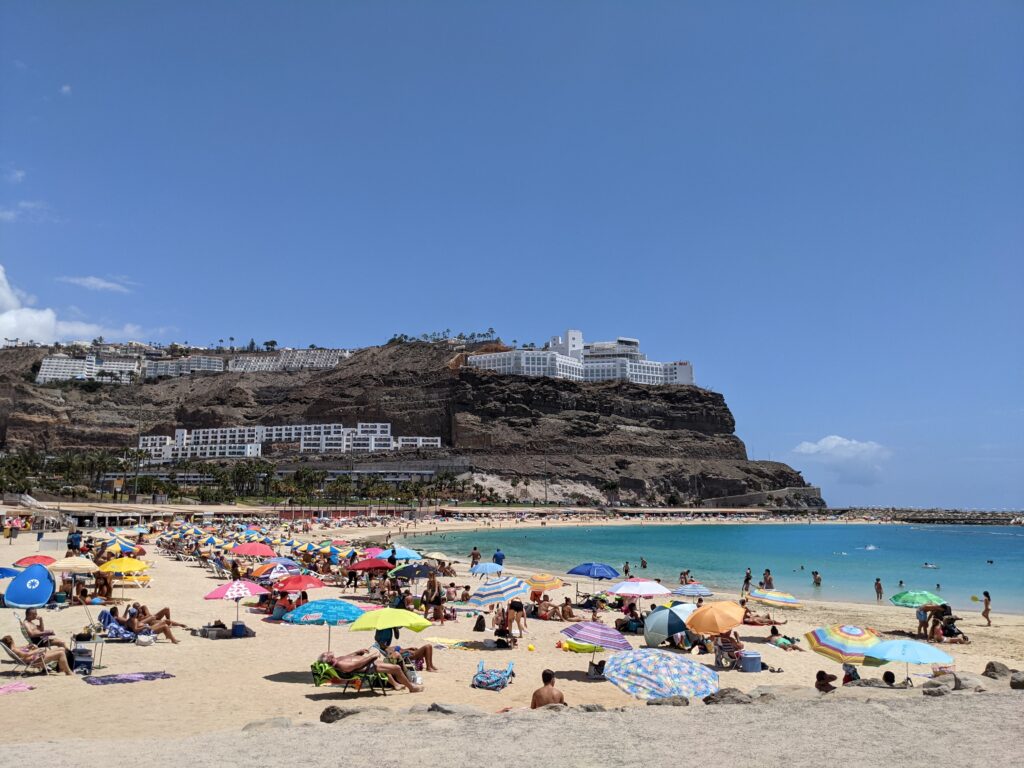
Maspalomas is a different proposition entirely. The beach backs onto a protected dune system – 400 hectares of sand that look nothing like the rest of the island – and it connects south to Playa del Inglés without interruption. Beachfront hotels here tend to be larger resort complexes, and prices vary enormously depending on whether you book direct or through a package. Meloneras, the quieter zone just west of the dunes, has newer, more upmarket properties right on the seafront.
Puerto Rico, on the southwest coast, doesn’t have the same scale of beach but makes up for it with calm turquoise water and a marina full of watersports operators. The town is compact and purpose-built, but the beach conditions – protected from wind by the surrounding hills – are some of the most reliable on the island. Families who want guaranteed calm water and easy beach days frequently choose this over the bigger resorts.
South Coast Resorts and All-Inclusive Hotels in Gran Canaria
Playa del Inglés is the heartland of package-holiday Gran Canaria. The hotel density is high, the entertainment complexes are large, and the nightlife – particularly around the Yumbo Center – runs late. It’s not subtle, but it delivers exactly what it promises: sun, food, pool, beach, repeat. All-inclusive options are plentiful, and competition between properties keeps prices relatively reasonable compared to other European resort destinations.
Maspalomas, technically adjacent but distinct in feel, draws an older and quieter crowd. The golf courses, the lighthouse at Punta de Maspalomas, and the dune nature reserve give it more going on outside the hotel perimeter. Couples and travelers over 40 tend to gravitate here over the more animated Playa del Inglés strip.
Getting around the south is much easier with a rental car. The GC-1 connects the resort areas quickly, but reaching the interior villages or Las Palmas without one involves long bus journeys. Local company Cicar has a solid reputation on Gran Canaria and consistently undercuts the international chains on price – worth checking before booking with the big names at the airport counter.
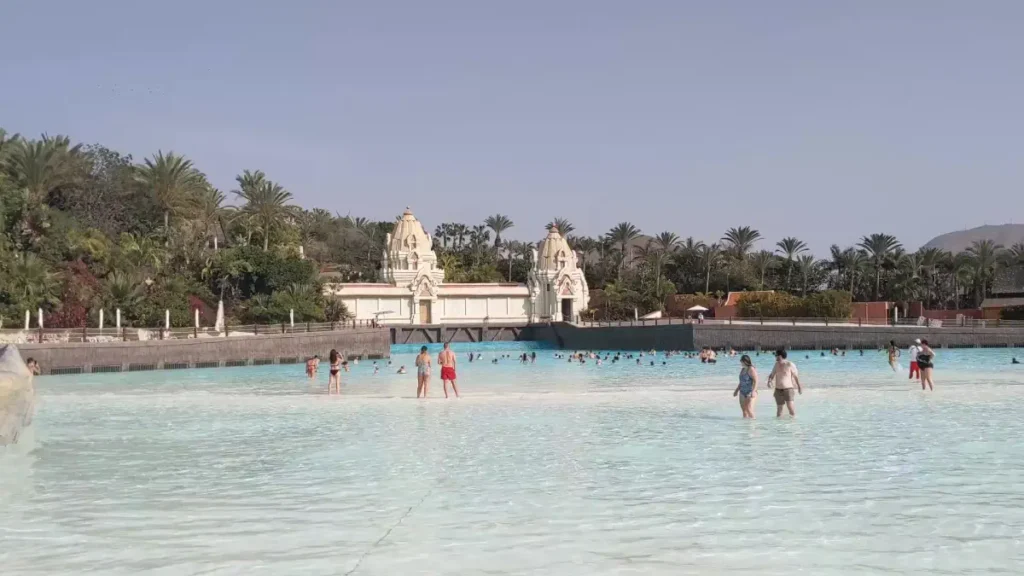
Families specifically should note that Maspalomas and Playa del Inglés are within 15–20 minutes of Aqualand Maspalomas, one of the island’s main water parks. Holiday camp-style entertainment in the hotels is well developed, and the resort infrastructure here was built with families in mind more than anywhere else on the island. See the family section below for more specifics.
Gran Canaria’s south coast gets significantly more sunshine than the north. If maximum beach time and predictable weather are priorities – especially for a winter escape – the south is the right call. For comparison, Fuerteventura and Lanzarote offer similarly reliable sun in a flatter, more desert-like landscape if you’re weighing up options across the archipelago.
Boutique Hotels and Rural Stays in Gran Canaria’s Interior
The interior of Gran Canaria is essentially a different island. The central mountains – built around the Roque Nublo crater and the villages of Tejeda and Artenara – sit above 1,500 metres in places. The landscape shifts dramatically as you climb: coastal scrub gives way to pine forest and dramatic rock formations within an hour’s drive from the coast.
Rural accommodation here takes the form of small hotels (casas rurales) and converted farmhouses, often with exposed stone walls, wood-beam ceilings, and views across the caldera. Tejeda is the most visited of the interior villages, sitting in a bowl surrounded by almond trees that bloom white every February. Artenara, higher up, is carved partly into the cliff face and has cave restaurants and cave homes that have been inhabited for generations.
This is not the right base if you’re relying on public transport. Buses from the coast run infrequently, and the mountain roads – while spectacular – require a car. For hikers, the GR-131 and GR-132 long-distance trails cross this region, and the paths between Tejeda and Roque Nublo are well-marked and manageable without a guide.
Prices for rural stays run noticeably lower than south coast resorts, and the food in village restaurants – goat stew, papas arrugadas with mojo, local almond cake (bienmesabe) – is as good as anywhere on the island. Worth it for at least a night, even if you’re basing yourself on the coast.
Vacation Rentals and Apartment Accommodations in Gran Canaria
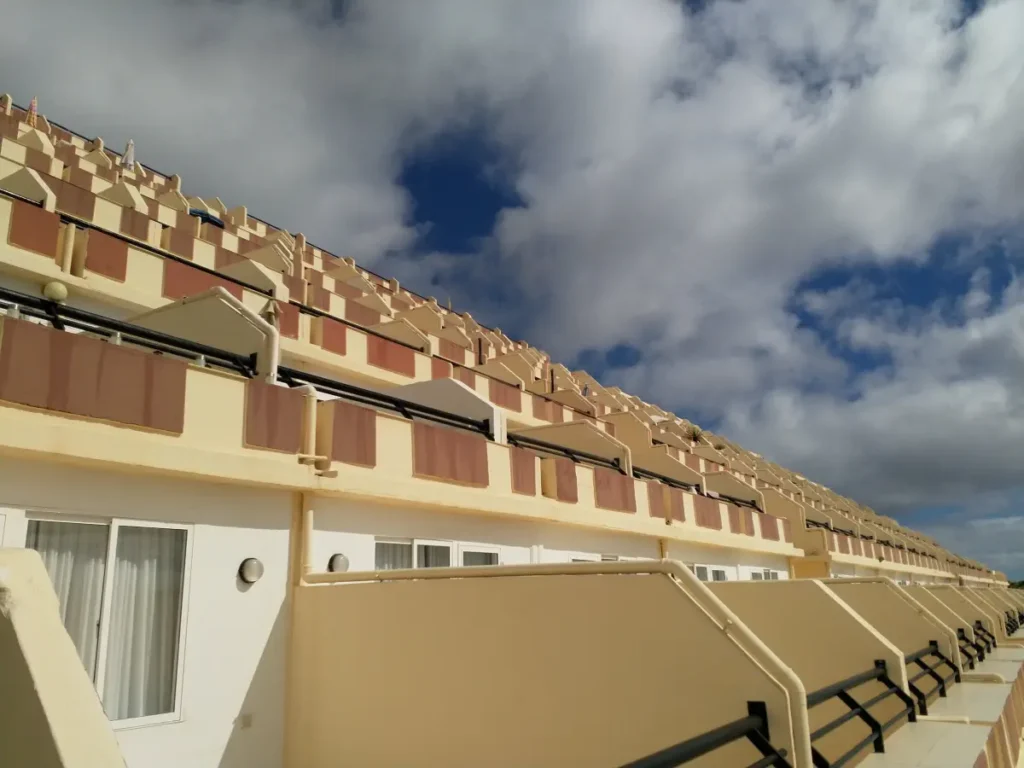
Self-catering works well on Gran Canaria. The island has a long tradition of holiday apartment tourism – many of the south coast complexes were built specifically as self-catering bungalow villages and have operated that way for decades. Booking through Airbnb or direct booking platforms gives access to these, though older complexes vary significantly in maintenance and management quality. Check reviews carefully and prioritize properties with recent feedback.
Las Palmas is the best area for apartment rentals if you want a more residential experience. The Guanarteme neighborhood (between Vegueta and the beach) has a good stock of apartments popular with digital nomads and longer-stay visitors. Supermarkets are accessible, the neighborhood is walkable, and you’re not in a tourist bubble.
In the south, apartment complexes around Playa del Inglés and Campo Internacional give more space than a hotel room for the same or lower price – useful for families or groups. The trade-off is that you’ll likely need a car, as the complexes can be spread out from each other and from the beach.
One practical note on money: Gran Canaria uses the euro, and card payments are widely accepted almost everywhere. ATMs often charge a processing fee of between EUR 1 and EUR 8, so carrying a small amount of cash is useful, but avoid making repeated large ATM withdrawals. Bring a few EUR 50–100 in cash and pay the rest by card.
Family-Friendly Accommodations and Resorts in Gran Canaria
Maspalomas and Playa del Inglés lead here, and not just because of the beach. The resort infrastructure in this zone was built with families in mind: kids’ clubs, multiple pool areas, shallow beach entry, and entertainment that runs from afternoon into the evening. Several of the larger hotel groups operate separate children’s pools and supervised activity programs during peak season.
Puerto Rico deserves a specific mention for young children. The beach there is almost entirely sheltered from wind and wave action – the water is flat – and the town is compact and walkable without traffic cutting through the beachfront. For parents of toddlers or non-swimmers, this is arguably a better choice than the open beaches at Maspalomas.
What to look for when comparing family options:
- All-inclusive plans that cover children at a reduced rate or free (common in Playa del Inglés)
- Bungalow-style accommodation with outdoor space, rather than standard hotel rooms
- Proximity to Aqualand Maspalomas (roughly 15 minutes from most south coast bases)
- Supermarket access for self-catering flexibility
Las Palmas is less obvious as a family base but works well for older children who’d engage with a city environment. The science museum (Museo Elder) on the waterfront is genuinely good, and the beach is safe and well-patrolled.
Budget Breakdown
Budget (under EUR 80/night): Hostels and guesthouses in Las Palmas, older apartment complexes in Playa del Inglés, and rural casas rurales in the interior. Don’t expect pools or air conditioning in the cheapest options, though Las Palmas rarely gets hot enough to need it.
Mid-range (EUR 80–180/night): The majority of the south coast hotel market sits here. Three and four-star hotels in Maspalomas and Puerto Rico, seafront apartments in Las Canteras, and boutique stays in the capital all fit this range.
Luxury (EUR 180+/night): Meloneras has the highest concentration of upmarket properties on the island, including large-footprint resort hotels with spa facilities and direct beach access. Las Palmas also has a small number of design hotels in restored buildings in Vegueta and Triana at this price level.
How to Choose the Right Area
The clearest way to decide: do you want a city trip or a beach resort trip? City, go to Las Palmas. Resort, go south. Most of the other decisions flow from that one.
- Couples: Meloneras or Las Palmas (Playa de Las Canteras) depending on whether you want resort or city
- Families with young children: Puerto Rico for calm water, Maspalomas/Playa del Inglés for the full resort experience
- Solo travelers: Las Palmas without question – the social infrastructure and transport are far better
- Hikers and nature visitors: Base in Tejeda or another interior village, or use Las Palmas and drive in
- Party crowd: Playa del Inglés, specifically near the Yumbo Center
Transport note: public buses (Global) connect the main towns and resorts, but schedules thin out after 9pm. A rental car unlocks the entire island, including the mountain interior, and makes the experience dramatically more interesting. Local companies like Cicar offer competitive deals without the surprise surcharges some international chains add at the counter.
Booking Tips
Gran Canaria gets visitors year-round because the climate stays mild even in January (average lows around 13°C, rarely feeling cold during the day). Peak season is July–August and again over Christmas and New Year. Prices in the south during these windows, especially for all-inclusive, are noticeably higher. Book at least 2–3 months ahead for school holiday periods.
The sweet spot for value is October to November or March to April – warm enough for the beach, lower rates across the board, and fewer crowds at the dunes and nature sites. February brings the almond blossom in the interior and the Las Palmas Carnival, which is one of the largest in Spain and fills the city’s hotels fast.
Compare prices across hotel booking sites before committing. All-inclusive packages are often better value when booked through a package operator rather than hotel direct, especially for the larger south coast resorts. For Las Palmas and rural stays, booking direct or through a standard hotel platform often gets you more flexibility on cancellation terms.
FAQ: Accommodation Questions About Gran Canaria
What is the best area to stay in Gran Canaria?
For most first-time visitors, Maspalomas or Playa del Inglés in the south is the practical answer – reliable sunshine, beach access, and strong hotel infrastructure. For travelers who want culture and city life alongside the beach, Las Palmas (specifically the Playa de Las Canteras neighborhood) is the better choice and often gets overlooked.
Is it cheaper to stay in the north or the south?
Generally, the north (Las Palmas) runs cheaper for accommodation. The south has more luxury and all-inclusive options that push the average price up, though budget options exist there too. Rural interior stays are the cheapest on the island relative to what you get.
Which neighborhoods are safest?
Gran Canaria is broadly safe. The main risk across all tourist areas – north and south – is pickpocketing, particularly in crowded resort zones and at night. Don’t leave valuables unattended on the beach, and stay alert in busy nightlife areas. The emergency number is 112.
Are there any under-the-radar neighborhoods worth considering?
A few. Guanarteme in Las Palmas (between the old town and the beach) has a residential feel that suits longer stays and draws digital nomads rather than package tourists. In the south, Meloneras is noticeably quieter than Playa del Inglés and has newer, better-maintained properties – it’s only a short drive from the dunes but feels like a different world. And for something completely different, the village of Agaete on the northwest coast has a small black-sand beach, a functioning port with ferry connections to Tenerife, and almost no large hotels.
When should I book accommodation?
For July, August, Christmas, and New Year, book 2–3 months in advance minimum. For Las Palmas during Carnival (February), book even earlier – the city fills up fast. Outside peak windows, last-minute availability is usually fine, though booking ahead still gets better pricing.
Do I need a car?
Not if you’re staying entirely within Las Palmas or one resort zone in the south. But a car opens up the interior, the quieter northwest coast, and makes the whole island dramatically more interesting. Rental rates are reasonable, and local companies like Cicar are consistently recommended for value and transparent pricing.
Get Spain travel tips in your inbox
Occasional, genuinely useful emails — best times to visit, local tips, and deals. No spam.
Plan your trip to Spain
- Trip.com: A great source for finding flights and airport connections. I have noticed that it finds flight connections that some other search engines miss.
- Booking.com: My favourite site for booking hotels and apartments (and occasionally flights). They have the best filters and I like the user friendly interface.
- Hotels.com: The most popular hotel booking platform in many countries, US included.
- Get Your Guide: A massive selection of tours and excursions. They have tons of options available in Spain, including walking tours, cooking classes, museum options, boat tours and more!
- DiscoverCars: Want to explore charming villages and get out of the busy cities? DiscoverCars pools together the best offers from car rental operators for your convenience.
- Omio: Want to find the best option to move between cities in Spain? I use Omio for that. Plus you get to book the ticket from the same amazing platform.
- Klook: Need a local SIM card for your trip to Spain? A stress free holiday nowadays (unfortunately) might start from a good connection, so get an affordable eSIM here.
- VisitorCoverage: Not interested in checking out Spanish public health care system on your holiday? (like I've managed to do..) A cheap travel insurance gets that stress out of the way.
Some links above are affiliate links. If you book through them I may earn a small commission, at no extra cost to you.