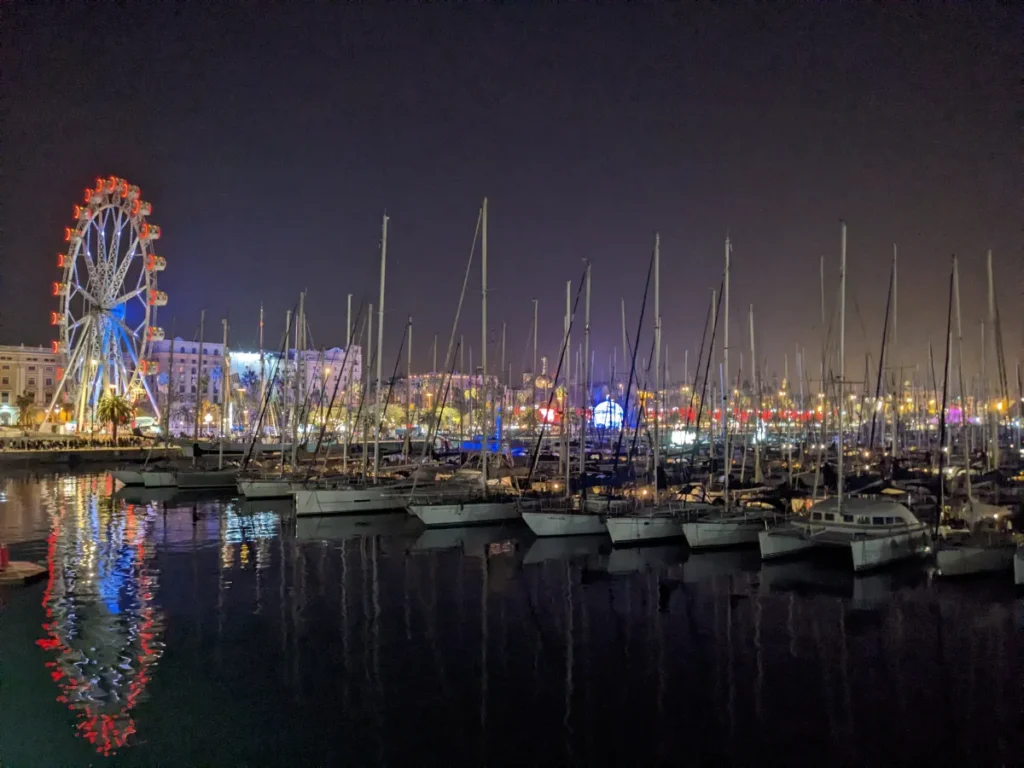
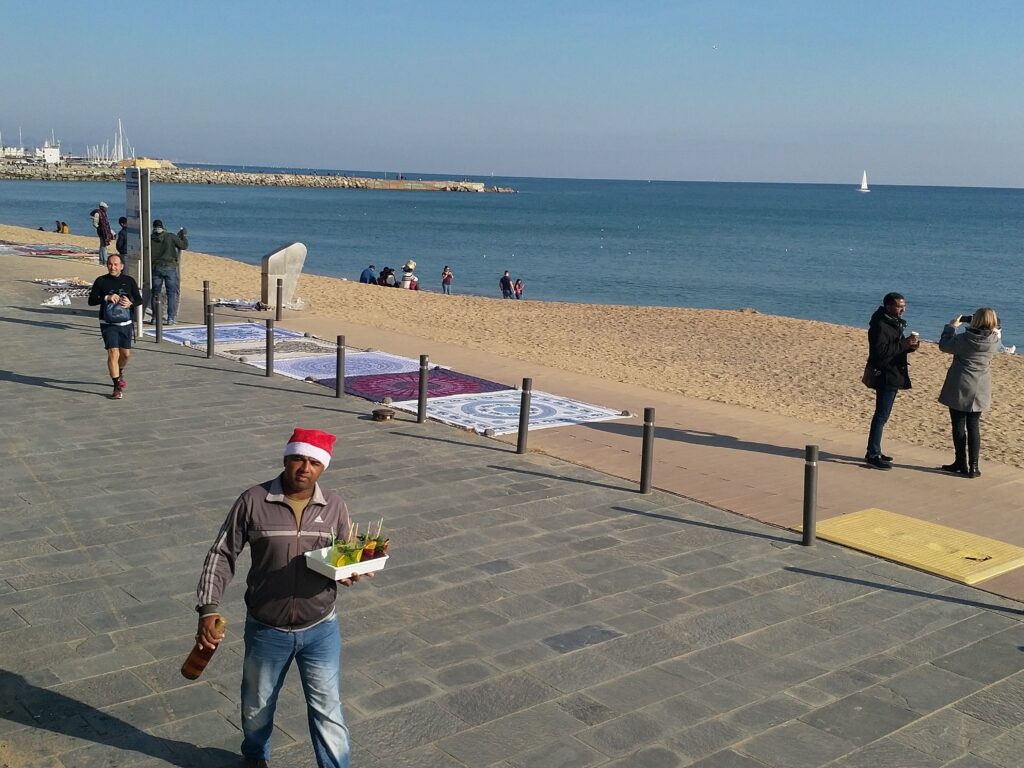
Barcelona
This post contains affiliate links. If you book through them, I may earn a small commission at no extra cost to you.
Why come: Barcelona is an exceptionally diverse destination, perfect for those who want to experience quality sandy beaches, culture, historic sights and world-class architecture all in one.
Travelling from England: There are direct flights every day of the year from the major airports and get a taxi (€25-30), bus or metro from the Barcelona airport.
When to travel: Barcelona has a pleasant Mediterranean climate so the best time to travel is in spring or autumn, although winters are mild and sunny. I recommend avoiding July and August when it is hot and humid and the city is full of tourists. Read more: Best Weather in Spain
Note: There are a lot of pickpockets in Barcelona, so especially in tourist areas such as La Rambla or El Gotic, it is a good idea to keep valuables in closed pockets or shoulder bags.
Similar destinations: Alicante, Malaga, Valencia.
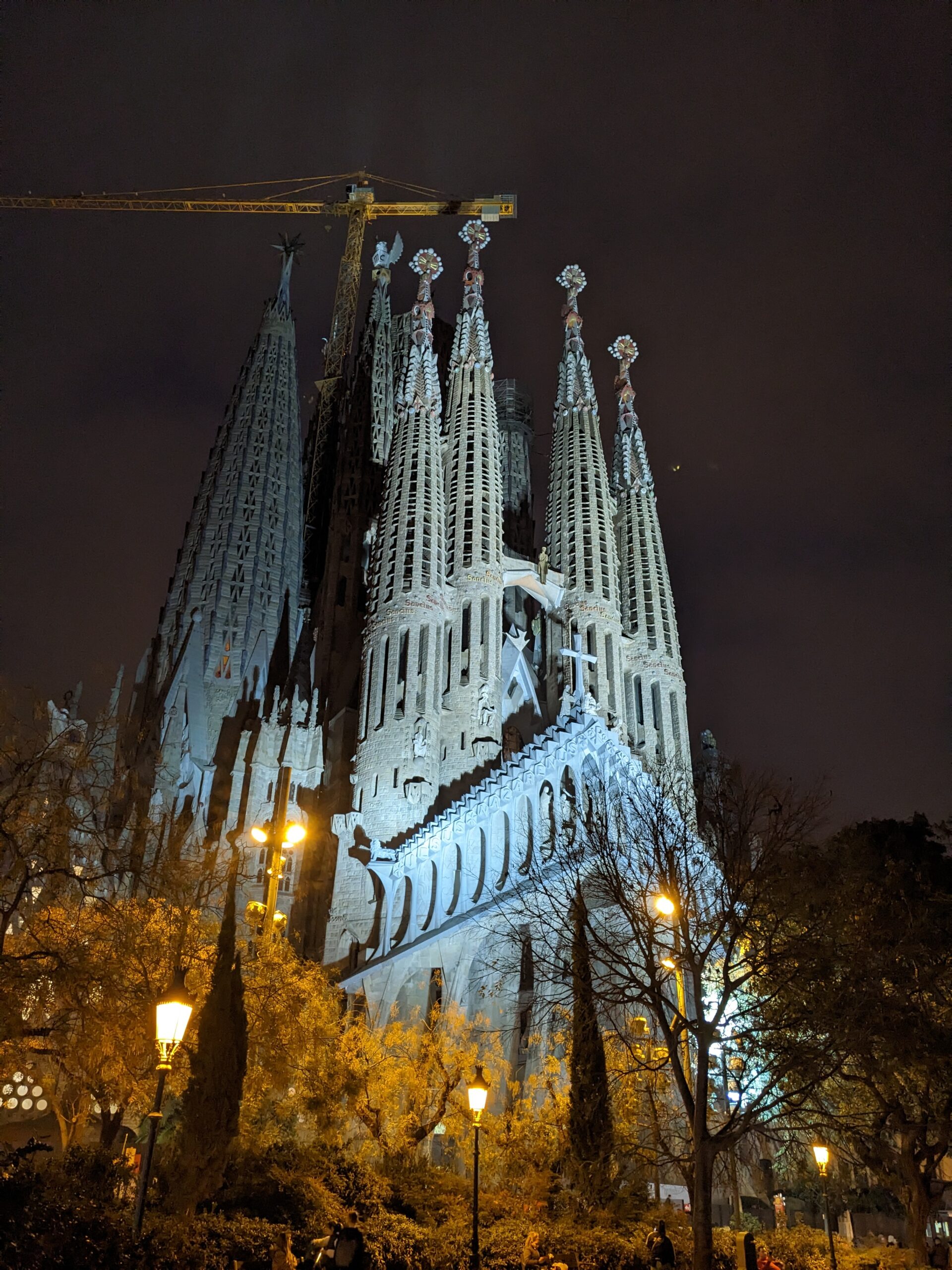
Barcelona’s most interesting areas
El Gòtic: One of the most popular areas in Barcelona. It contains a rich supply of historical attractions, such as the Catedral de Barcelona and the Basilica de Santa Maria del Mar. The Barri Gòtic is also full of narrow streets offering great little boutiques.
When: you don’t know where to start
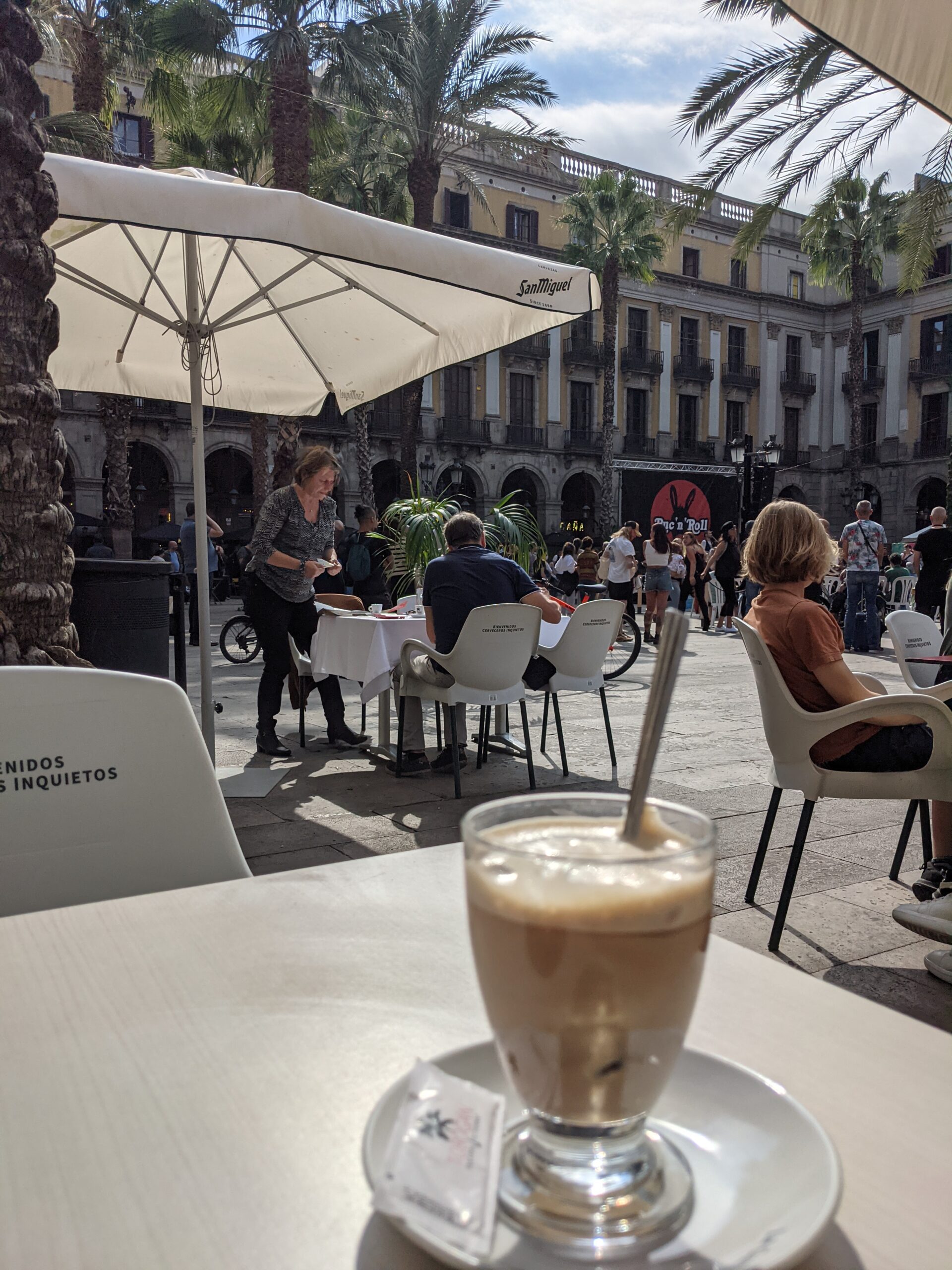
Eixample: the area is famous for its Gaudí architecture, including Casa Batlló and La Pedrera. The Eixample is also full of trendy bars, restaurants and shops.
When: you want the best restaurants in the city

El Born: Known for its historic buildings and narrow streets. El Born is also full of trendy restaurants and cafés.
When: you want to go out for an evening
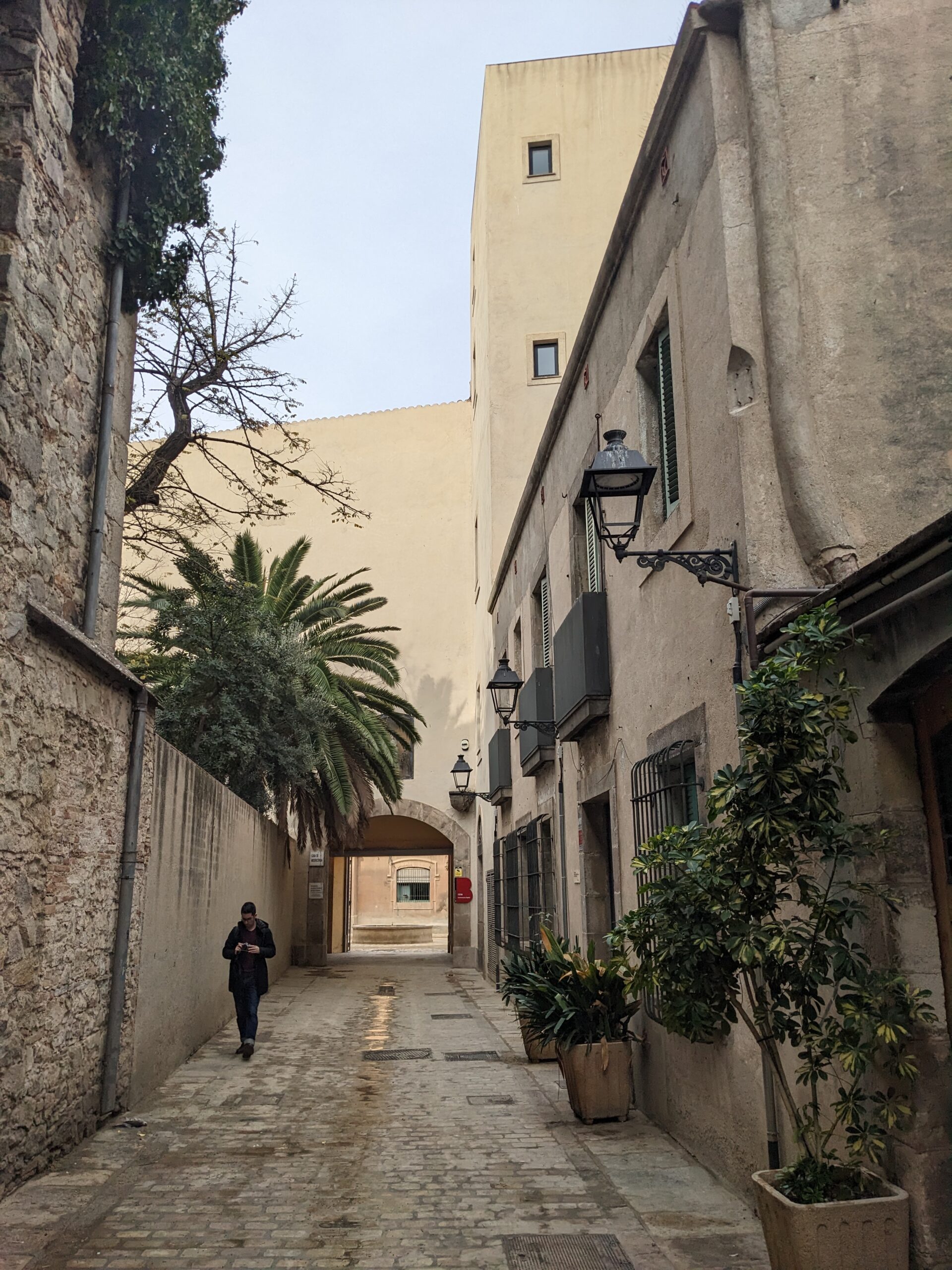
Montjuïc: A mountain and park area famous for its viewpoints and cultural sites, such as Montjuïc Castillo, Pueblo Español and Fundació Joan Miró. Montjuïc is also a wonderful place to enjoy spectacular views of the city. In short: a great big park.
When: you want a break from the hustle and bustle of the city with views
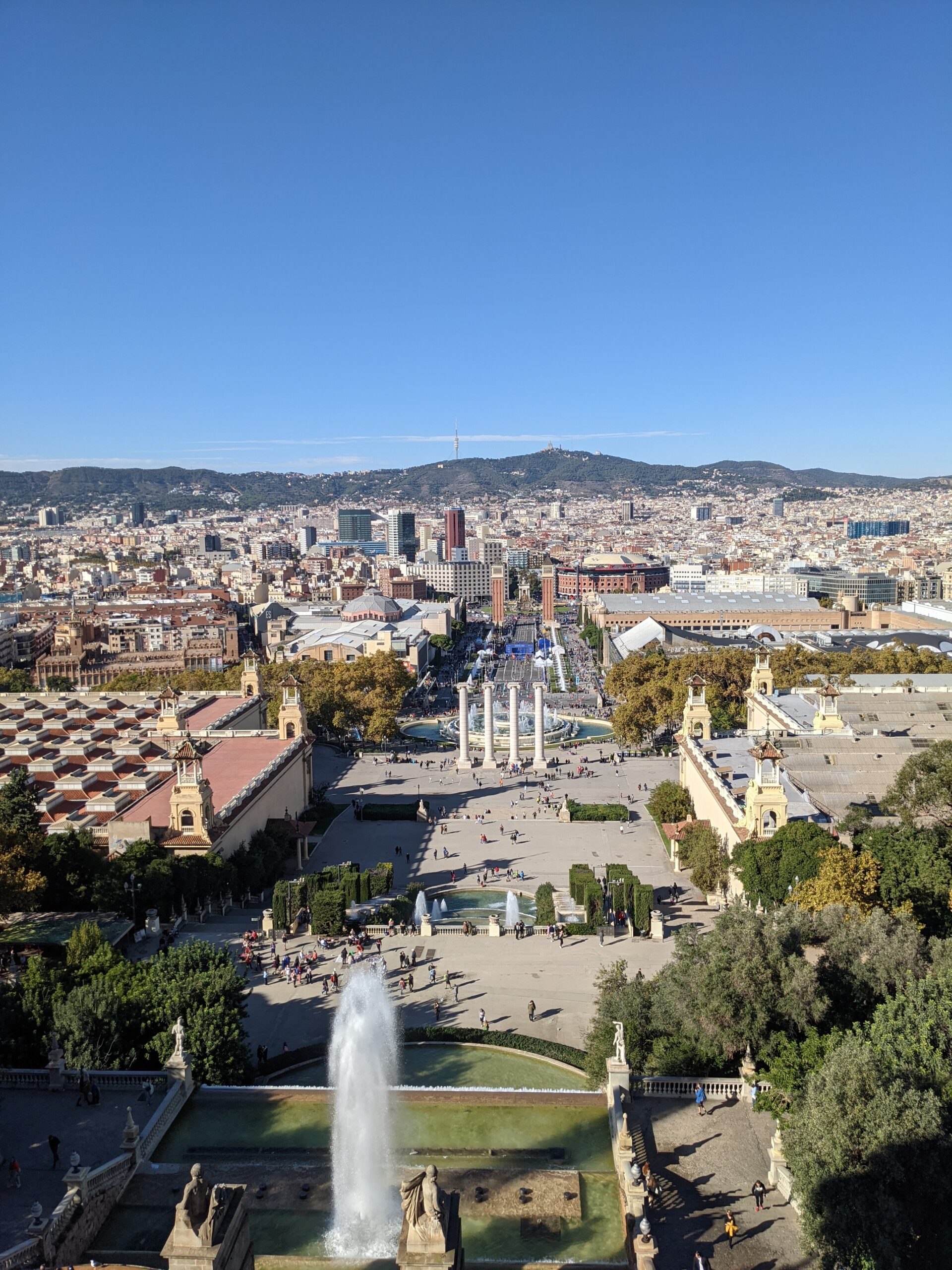
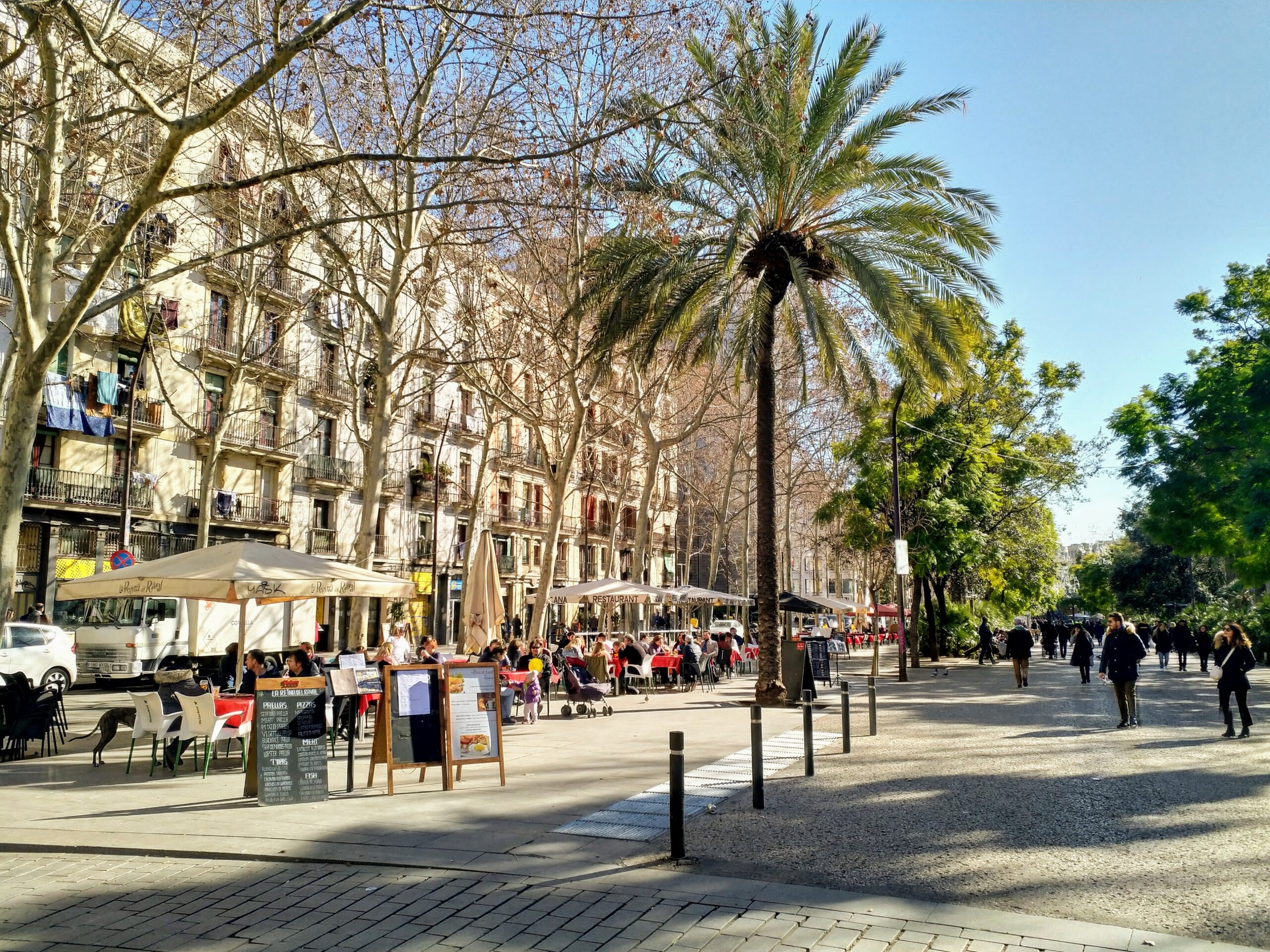
Poblenou: a neighbourhood appreciated by the locals. The Rambla del Poblenou itself is worth a visit, about 1.5km long, with lots of restaurants and small shops, but few tourists. In 2024, of all the districts in Barcelona, here is where the rental prices rose the most here (A whopping 20%).
When: You want to see what my favourite neighbourhood in Barcelona looks like!
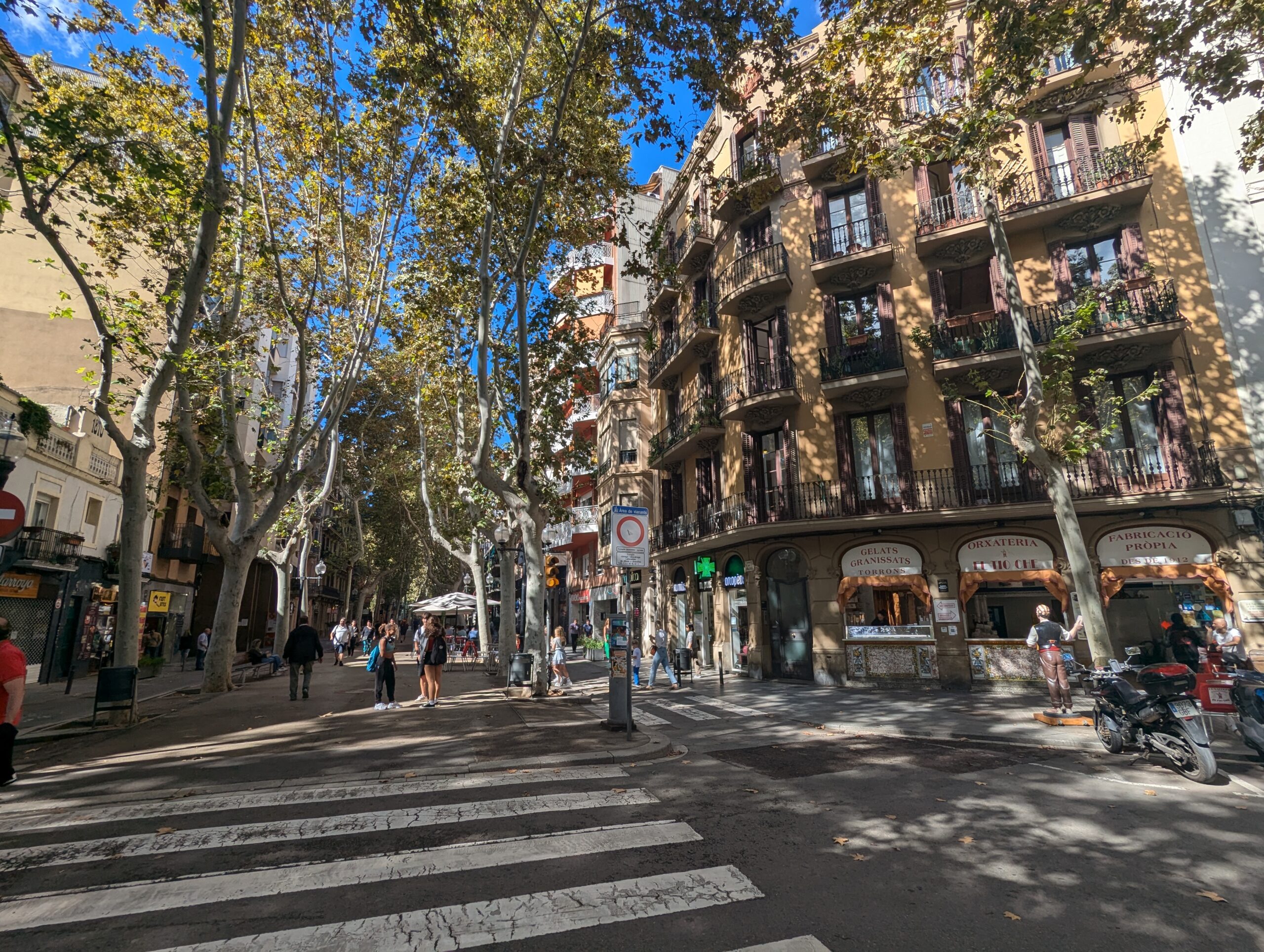
El Raval: Just south of La Rambla is a lesser known part of the old town, with lots of interesting shops, restaurants and live music in the evenings (Big Bang Bar is a personal favourite) and the bustle of immigrants. Despite its reputation it is quite safe, but I would still recommend avoiding going out alone at night while intoxicated.
When: you want live music or ethnic food
How many days do you really need in Barcelona?
One day is definitely not the correct answer. You’ll see the cathedral, walk La Rambla, and miss the city. Two days is the floor. Three is the right answer for most people.
Here is how I’d plan it.
One day, if it’s all you have. Sagrada Família in the morning when the light hits the eastern stained glass, walk down through the Eixample to Passeig de Gràcia (Casa Batlló and La Pedrera from the outside, no need to queue), lunch in El Born, late afternoon at Park Güell or up to Bunkers del Carmel for the view, dinner in the Gothic Quarter. Do not try to add Montjuïc or the beach.
Two days. Day one as above. Day two, Park Güell properly, then either Montjuïc (Castell, Fundació Miró, the magic fountain at night) or a slow morning at Barceloneta beach with lunch at one of the marina restaurants. Don’t combine the two.
Three to four days. Add a day trip. Montserrat for the mountain monastery, Sitges for the easy beach town, or Girona for the medieval old town. Keep one afternoon free to wander a neighbourhood you haven’t seen yet (Gràcia or Poble Sec are the obvious picks).
A week. Use Barcelona as a base for the Costa Brava (Cadaqués, Tossa de Mar) and Penedès wine country. Which neighbourhood you base yourself in matters more here than in most cities. Six different areas give six different versions of the trip.
What to eat in Barcelona – Catalan, not Spanish
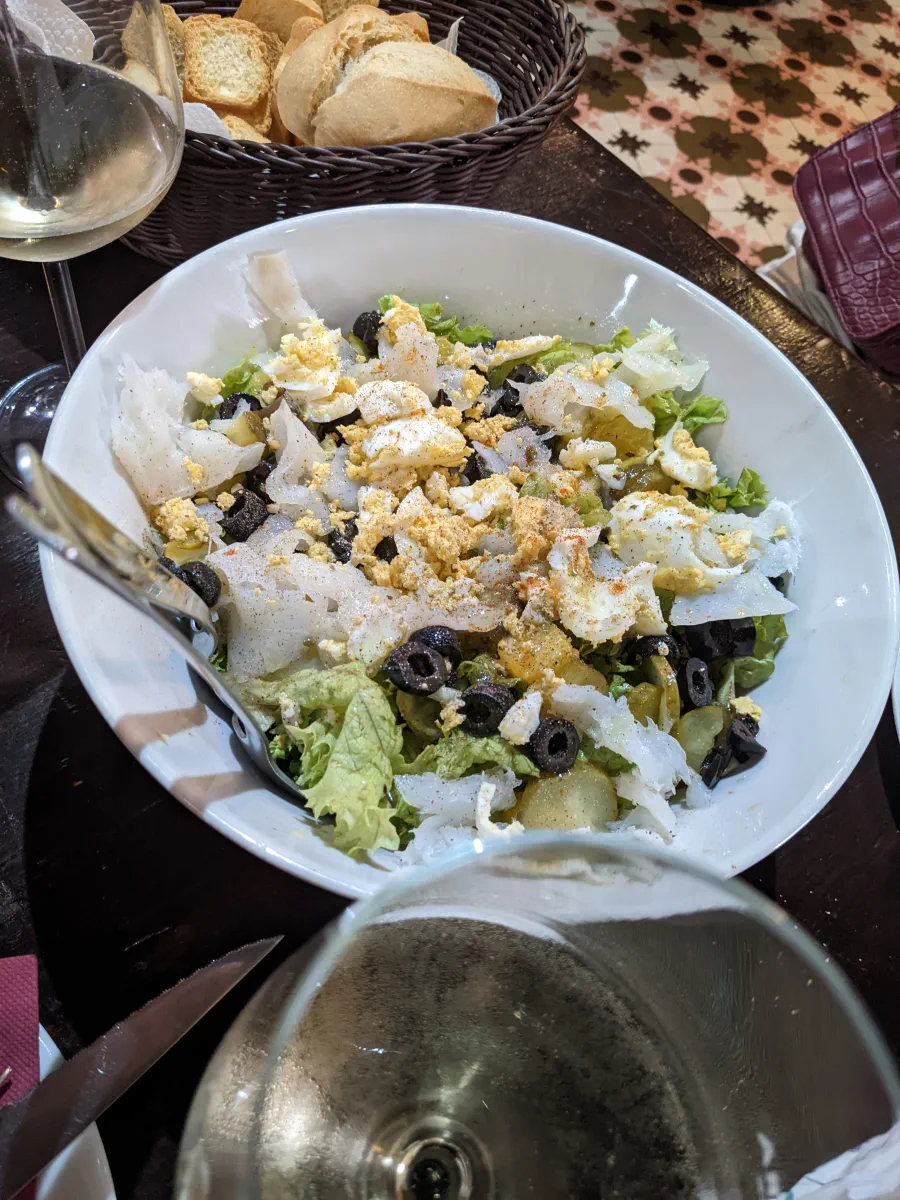
Barcelona is in Catalonia, and the food is different from the rest of Spain. The food here in Alicante is surprisingly different, for instance. Forget paella, mostly. It isn’t local, and the version sold on La Rambla is a tourist tax. The real Catalan menu starts here.
- Pa amb tomàquet. Toasted bread rubbed with garlic and tomato, drizzled with oil and salt. The default opener at any decent meal. Don’t add ham first. Let the bread do the work.
- Escalivada. Char-grilled aubergine, peppers and onion, served cold with anchovies. Looks plain. Tastes of summer.
- Fideuà. Like paella but with short noodles instead of rice, cooked in fish stock and served with alioli. Easier to eat than paella.
- Crema catalana. Older than crème brûlée, less sweet, with a hint of cinnamon and lemon zest. Order it instead of whatever the dessert menu pushes.
Where to eat for real food, not show:
- El Born for late tapas. The streets behind Santa Maria del Mar, not the main drags.
- Gràcia for unhurried dinners with locals. Plaça del Sol and Plaça de la Vila are the squares to aim for.
- Sant Antoni if El Born has gotten too touristy. The market reopened in 2018 and the surrounding bars are still mostly Catalan.
And avoid: anything on La Rambla (in my 3 years in Barcelona, I never ate there), the seafood places with menus in eight languages along the marina, and any restaurant where someone tries to wave you in.
Festivals worth planning around (and the one to avoid)
Barcelona’s festival calendar is dense. Three to know.
La Mercè (around 24 September) is the city’s main festival. A long weekend of free concerts, parades, the human-tower competition (castellers), the fire-running correfoc, and giants. The whole city stays out late. Book a hotel months ahead.
Sant Jordi (23 April) is Catalonia’s St George’s Day and the most beautiful single day to be in Barcelona. Streets fill with book stalls and roses; couples traditionally exchange a book for a rose. Quiet, not crowded with foreign tourists, fully Catalan in feel.
Sant Joan (23–24 June) is the bonfire night. Beach parties, fireworks, and a level of noise after dark that makes sleeping in the centre essentially impossible.
The week to avoid: mid-August. Hot, humid, half the locals away on holiday, and many small restaurants closed. The city stays open for tourism but loses its usual pulse.
Where the locals actually look at the view
Park Güell and Tibidabo get the postcards. These are better.
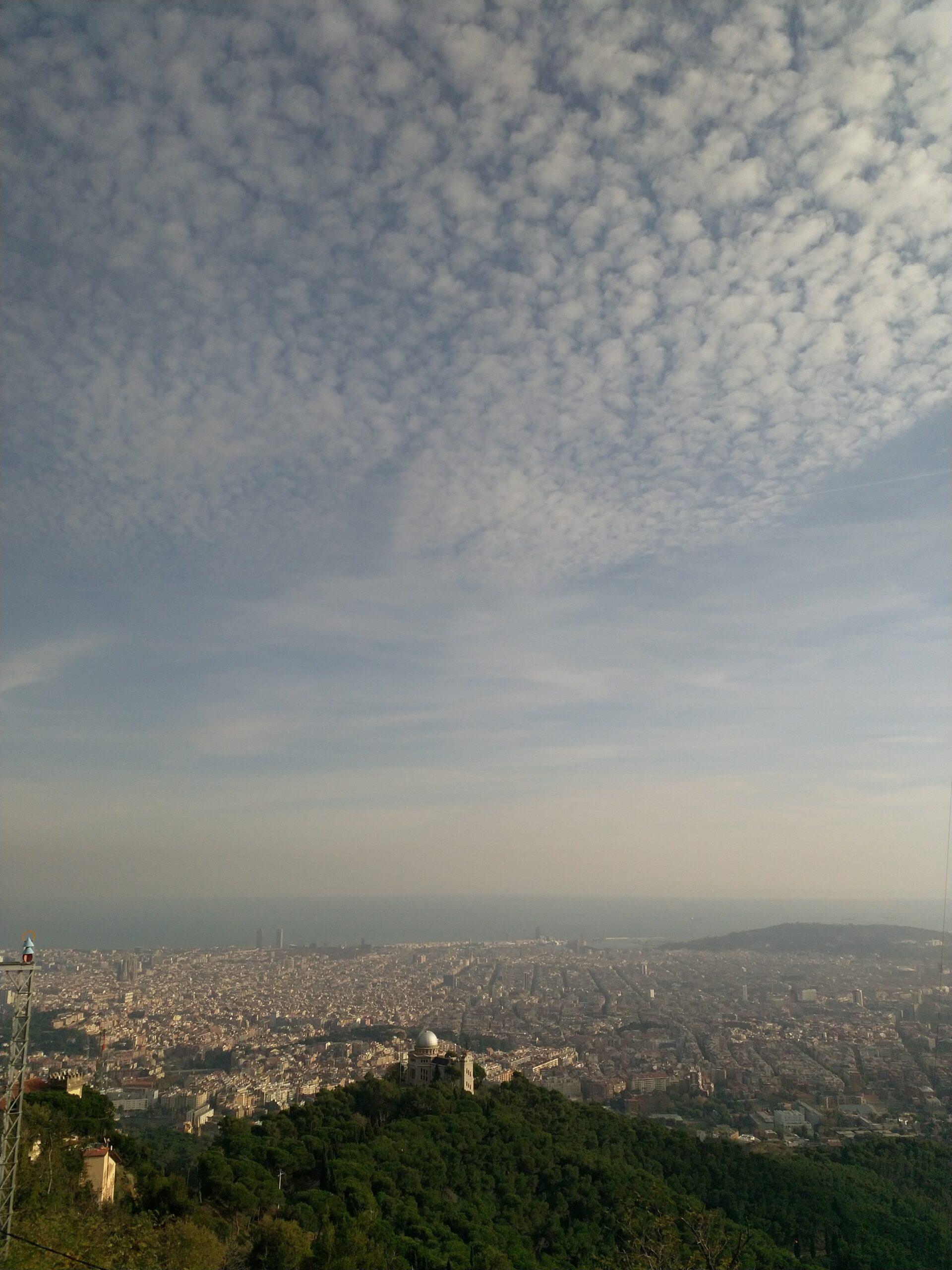
- Bunkers del Carmel. Old anti-aircraft battery on a hill above Gràcia. Free, 360-degree view of the city, sea and Tibidabo. Sunrise or sunset. Bring water and avoid the busy hours.
- Castell de Montjuïc, north terrace. Looks down over the city and out to sea. Good in late afternoon when the light is on the buildings.
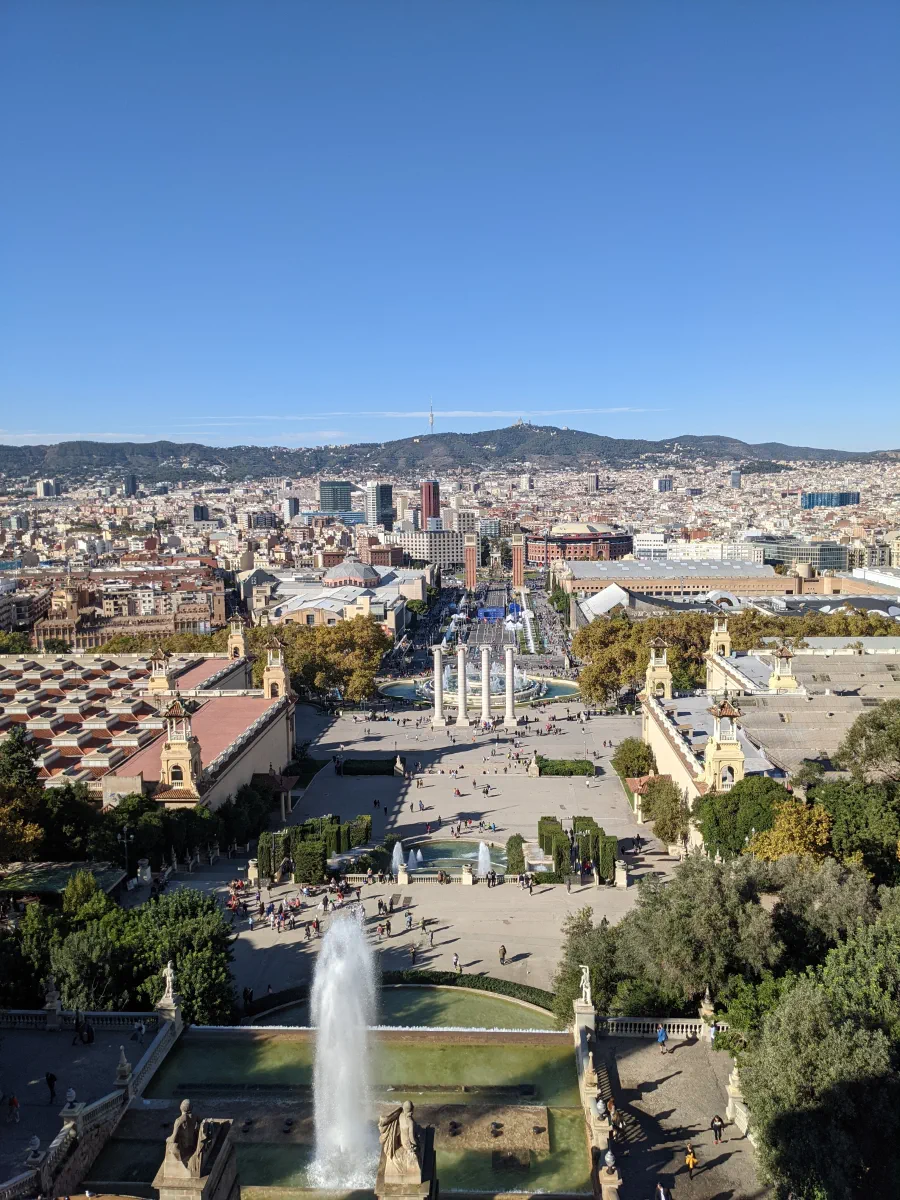
- Plaça d’Espanya at sunset. From the top of the steps in front of the National Art Museum (MNAC). The fountain runs in the evening. Free.
- Roof of Catedral de Barcelona. Small fee, small queue, view straight down into the Gothic Quarter. Different angle from anywhere else in the city.
- Carmel hill, the residential side. A few streets above the bunkers, you find quiet roads with the same view and no tourists. Worth the extra walk.
Practical tips for first-time visitors
Airport (BCN) to the city. The Aerobús runs every 5 to 10 minutes from both terminals to Plaça Catalunya, takes 35 minutes, and is the painless option. Metro line L9 Sud is cheaper but slower with a long platform walk. Renfe trains run from T2 to Sants in about 25 minutes; the catch is no train to T1. Bus L46 which accepts the normal transport cards and is a lot cheaper than the Aerobus goes between the terminals and Plaza Espanya, but somehow is missing from Google Maps..
Pickpockets. Real and aggressive. Perhaps the worst in Europe. The metro at Plaça Catalunya, La Rambla, and the area around Sagrada Família are the worst spots. Front pockets only. Bag in front of you on crowded trains. Don’t put your phone on a restaurant table outside. Seriously. You’ve been warned.
Language. Catalan and Spanish are both official. Locals switch easily. Greet in Catalan if you can (bon dia, gràcies). It’s noticed and appreciated. English is fine in tourist areas, weaker in residential neighbourhoods.
Money. Currency is Euro and contactless is standard. Tipping is not expected. Round up at restaurants if you liked the meal or the service.
Siesta. Less than in southern Spain. Most central shops stay open through lunch. Restaurants still run on the Spanish clock, with lunch from 13:30 or 14:00 and dinner from 20:00.
Tap water. Drinkable but tastes mineral. Most locals drink bottled.
Day trips worth taking from Barcelona
Barcelona sits in a particularly generous corner of Spain. Three day trips that justify themselves.
Montserrat. The strange jagged mountain monastery an hour west by train and cable car. Half a day if you do just the basilica, full day if you walk one of the monk trails. Cooler than Barcelona in summer; bring a layer. There is also mountain climbing and via ferrata possibilities. I did the latter and saw nightmares for three nights thanks to my vertigo..
Sitges. Small beach town 35 minutes south by Renfe. White houses, a long beach, an art museum and good restaurants. Easy. A good summer half-day.
Girona. Medieval old town with intact city walls and a preserved Jewish quarter, 38 minutes north by AVE high-speed train. Half a day for the basics, full day if you stay for dinner. Quieter and prettier than Barcelona’s Gothic Quarter. Amazing food scene and a must for the Game of Thrones fans.
Skip: Tarragona unless you specifically want Roman ruins; Andorra unless you specifically want shopping or skiing; the rest of Costa Brava unless you have lots of extra time in your hands. In which case you should move your base with you.
Barcelona with kids: what works (and what doesn’t)
Barcelona is harder with kids than Alicante or Valencia, but specific things work very well.
The metro is excellent outside the tourist season when it gets crowded and very hot. It’s pushchair-friendly on most lines. The beach at Barceloneta is a 15-minute metro from the centre, useful when energy crashes. Tibidabo amusement park at the top of the city is a good rainy-Saturday alternative. The Magic Fountain at Montjuïc on summer evenings is genuinely fun for small kids.
What’s harder: Sagrada Família queues, La Rambla crowds and dinner timing. By the time the city eats, (non-Spanish) kids are asleep. Eat early at a hotel or pick a place that is already open at 19:00. Some neighbourhoods (Gràcia, Sant Antoni) have early-evening tapas culture that suits this.
Pickpockets are a real concern with prams and family-sized distraction. Keep wallets out of nappy bags.
Planning a trip to the city? Here are the best-rated hotels and apartments:
How to get around Barcelona
Walking: there are footpaths everywhere, and crossings are better respected than in Finland. Many of the attractions in the city centre are also close to each other. And you can always take a break for a cerveza or cafe con leche if you need one.
Taxi: there are plenty of taxis in the city, they are cheap and you can usually catch a free taxi on the street (green light on the roof) within a minute. In addition to the usual black and yellow taxis (you can also use the Free Now app), Barcelona also has Uber and Cabify, but so far they only have a limited number of cars and their prices are as cheap as taxis.
Barcelona’s public transport network is one of the best I’ve used anywhere in the world, and route information is easy to find on Google Maps. A 10-trip ticket costs just €11.35, so at peak times you save time, money and nature!
By bike: Bike lanes are really good in Barcelona, and for the most part they are brilliantly isolated from cars and walkers. The city has very few differences in altitude, so it’s perfect for exploring by bike. Barcelona has plenty of them, which you’re sure to come across while walking around the city. There are big price differences so make a note of the best prices.
NEXT UP: WHERE TO GO OR WHAT TO PACK
-
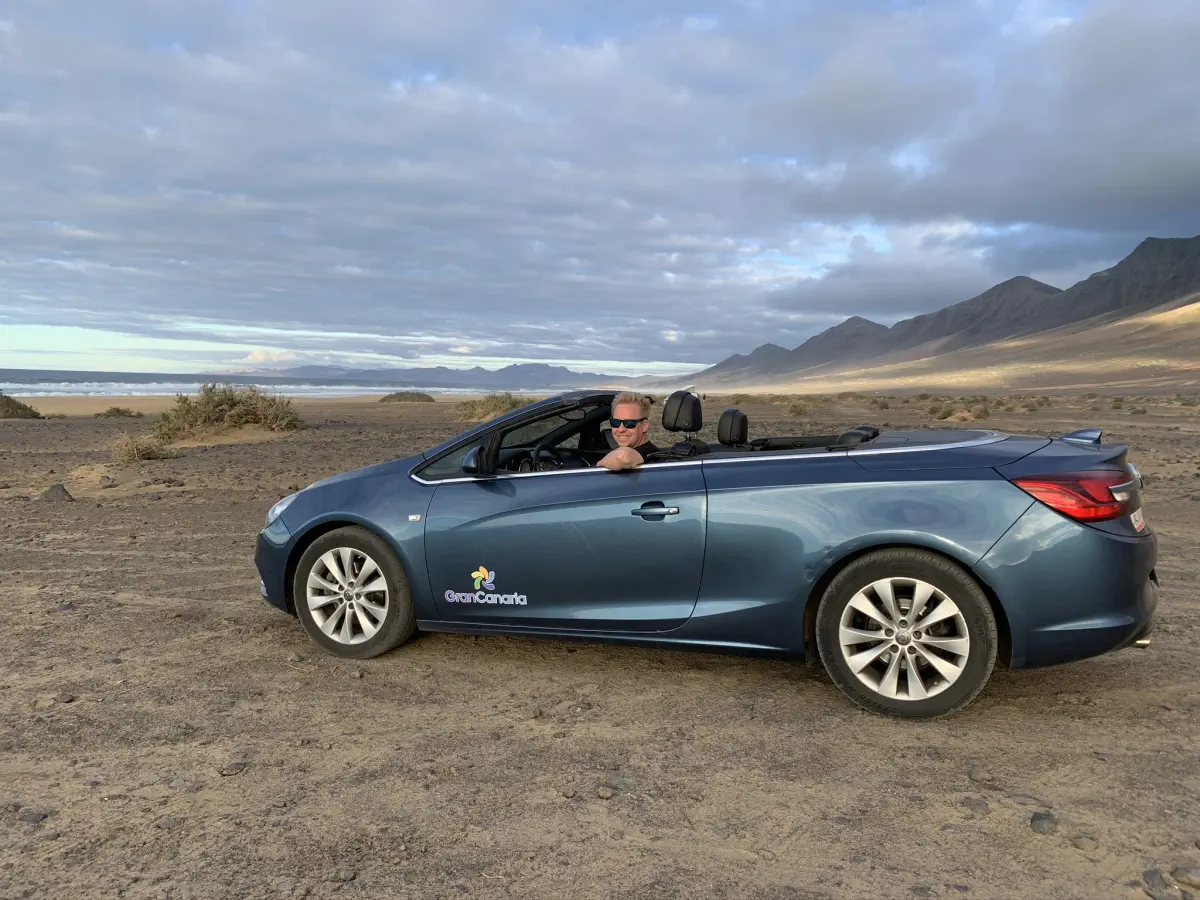
Spain Car Rental Guide: Compare Prices and Avoid Common Problems
This post contains affiliate links. If you book through them, I may earn a small commission at no extra cost to you.What You Need to Rent a Car in Spain…
-
Planning a Trip to Spain in September? Here’s What to Expect
This post contains affiliate links. If you book through them, I may earn a small commission at no extra cost to you. September in Spain is a month of change…
-
Best Money Saving Tips For Holiday in Spain
This post contains affiliate links. If you book through them, I may earn a small commission at no extra cost to you. I wanted to put together a comprehensive list…
Get Spain travel tips in your inbox
Occasional, genuinely useful emails — best times to visit, local tips, and deals. No spam.
Plan your trip to Spain
- Trip.com: A great source for finding flights and airport connections. I have noticed that it finds flight connections that some other search engines miss.
- Booking.com: My favourite site for booking hotels and apartments (and occasionally flights). They have the best filters and I like the user friendly interface.
- Hotels.com: The most popular hotel booking platform in many countries, US included.
- Get Your Guide: A massive selection of tours and excursions. They have tons of options available in Spain, including walking tours, cooking classes, museum options, boat tours and more!
- DiscoverCars: Want to explore charming villages and get out of the busy cities? DiscoverCars pools together the best offers from car rental operators for your convenience.
- Omio: Want to find the best option to move between cities in Spain? I use Omio for that. Plus you get to book the ticket from the same amazing platform.
- Klook: Need a local SIM card for your trip to Spain? A stress free holiday nowadays (unfortunately) might start from a good connection, so get an affordable eSIM here.
- VisitorCoverage: Not interested in checking out Spanish public health care system on your holiday? (like I've managed to do..) A cheap travel insurance gets that stress out of the way.
Some links above are affiliate links. If you book through them I may earn a small commission, at no extra cost to you.