Malaga – The Magnificent Capital of Costa del Sol
Most Interesting Areas in Malaga
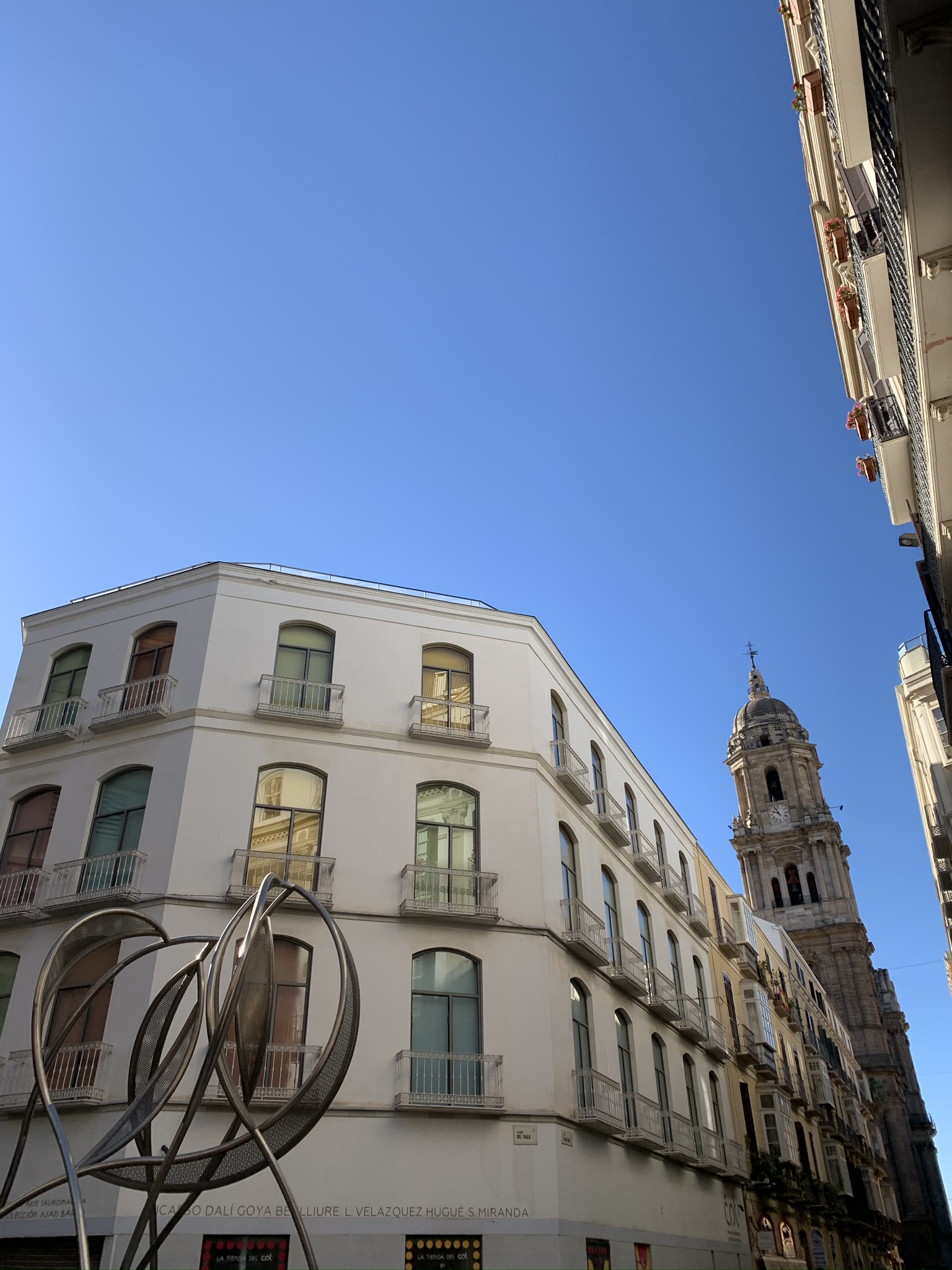
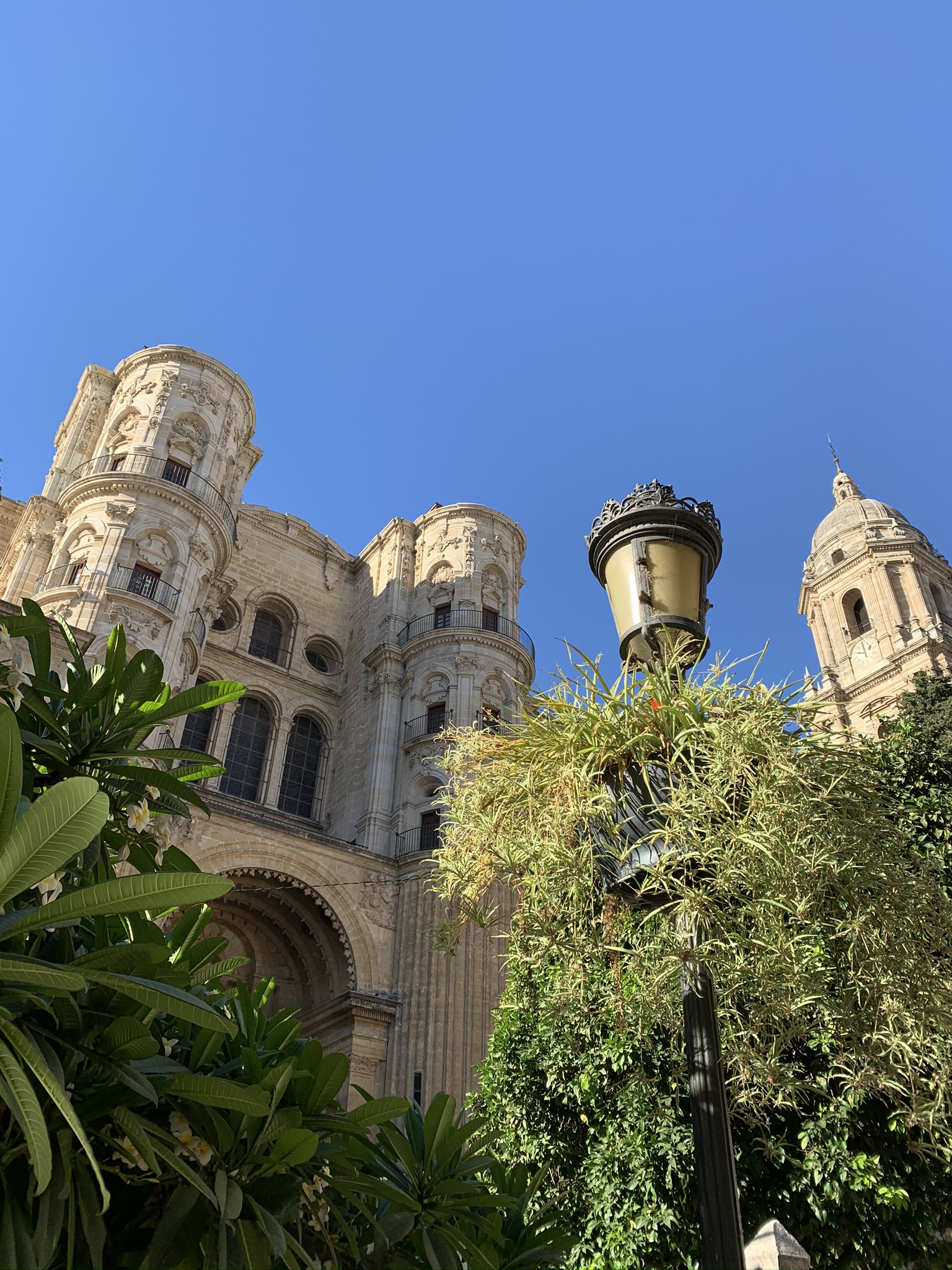
Centro Histórico: The historic centre of one of Europe’s oldest cities is packed with sights: Gibralfaro Castle, Malaga Cathedral, the Picasso Museum, and Malaga’s port, to name just a few. I really enjoyed walking in this area between the beautiful buildings and stopping for a coffee (read: beer) to cool down a bit between taking photos.
La Merced: Malaga’s trendiest neighbourhood, right next to the historic centre, is full of bars, restaurants, and terraces. Here you’ll often find street performers providing entertainment. Plaza de la Merced, Mercado de la Merced, and Calle Álamo are the area’s main attractions.
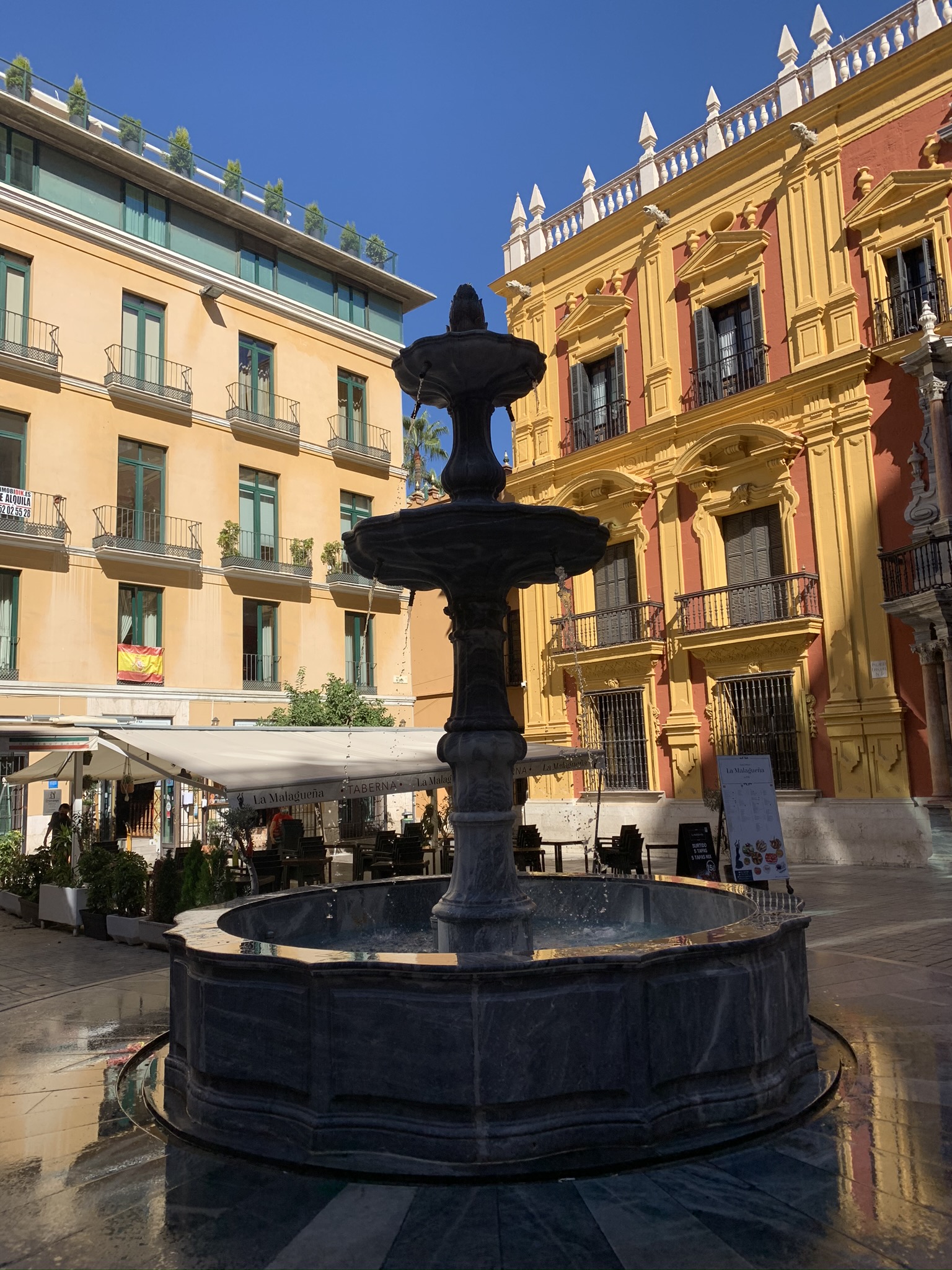
Soho: A formerly faded neighbourhood has been reborn as a hub for street art. Soho offers a great counterbalance to the tourist-packed, glamorous city centre — and it’s a good spot to snap some eye-catching photos to show your friends.
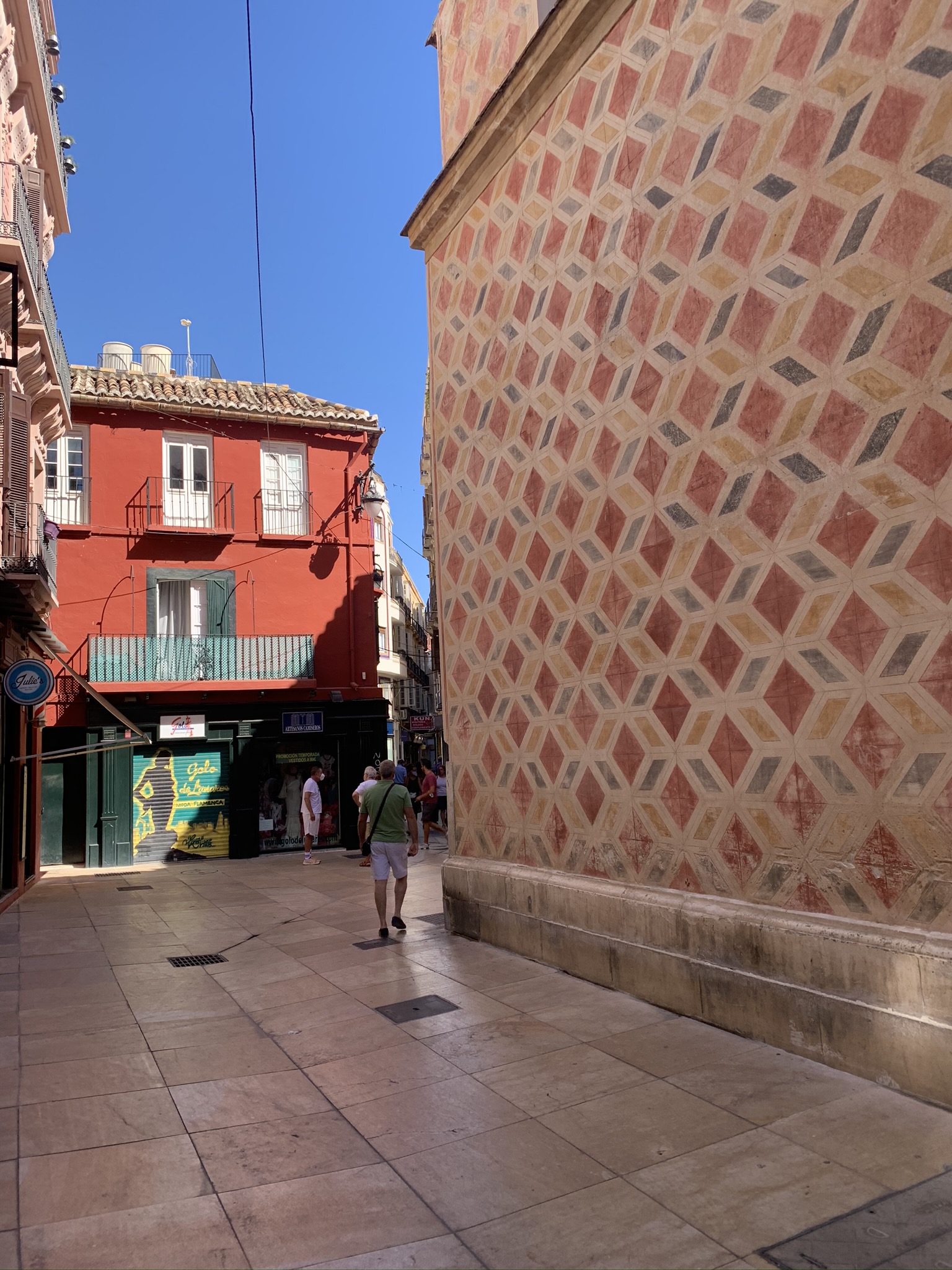
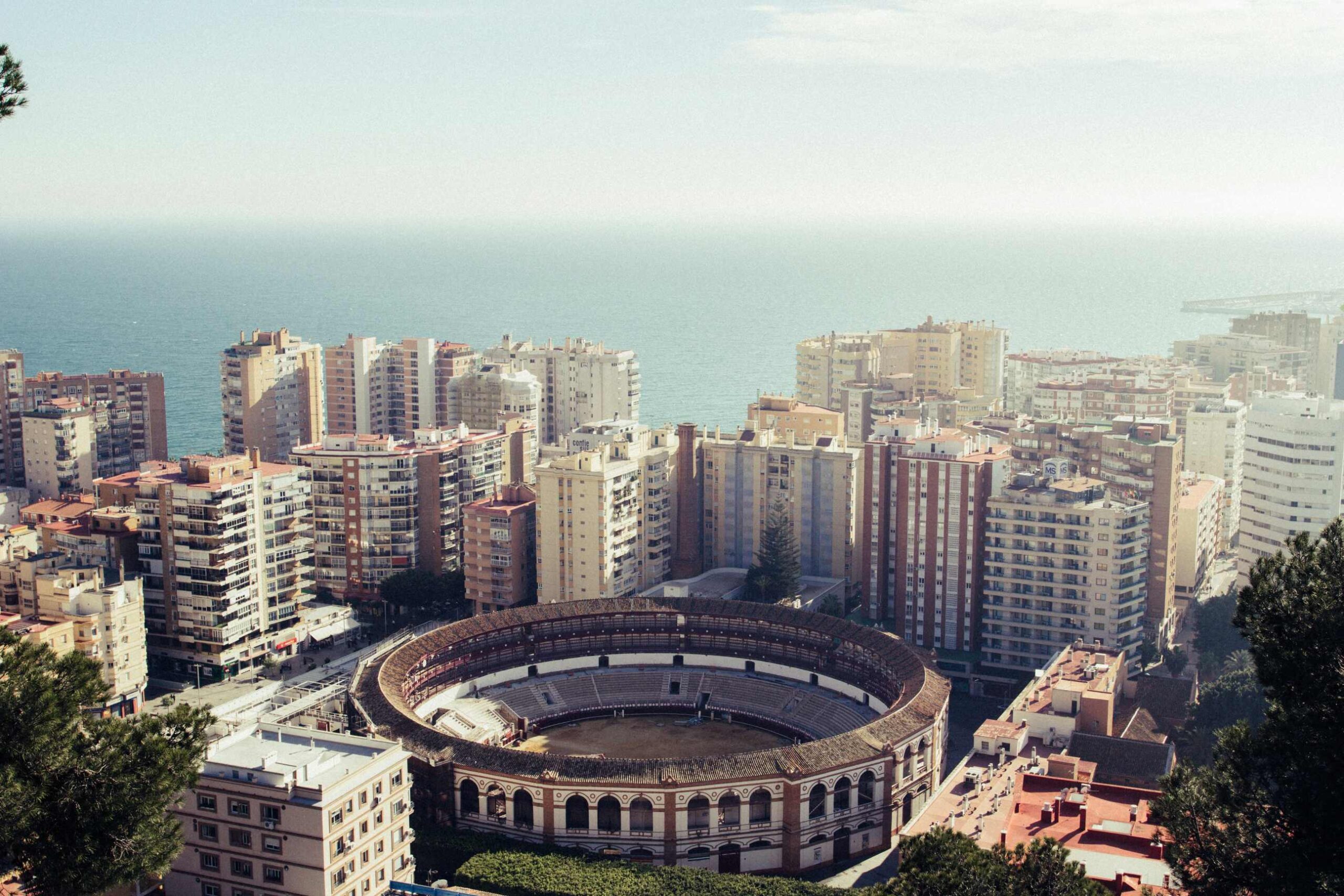
La Malagueta: A newer, more upscale residential area with tall buildings near the sea that looks impressive even from a distance. You can walk here from the centre along the beautiful Paseo del Muelle Uno, a promenade lined with bars and restaurants.
El Perchel: A former fishermen’s neighbourhood that has preserved its old-world atmosphere. The district’s name comes from the word percha (hook), which fishermen used to dry their catch. At Mercado del Carmen you can find the city’s freshest seafood.
Getting Around Malaga
Walking: All the neighbourhoods mentioned above are relatively close to each other and easily walkable — and if you’re wondering where to base yourself, check out our 5 Best areas to Stay in Malaga 2026 guide. There are plenty of pavements.
Taxi: Taxis can be ordered via the Taxi Malaga app, and Uber and Bolt also operate in Malaga.
Public transport: Malaga has a good train, bus, and metro network. You can check schedules on Google Maps as usual.
Cycling: There are 33 km of bike lanes — quite little compared to Valencia’s 156 km, for example — but the network is growing to over 100 km “in the coming years.”