Where to Stay in Tenerife: Best Areas by Budget & Style
This post contains affiliate links. If you book through them, I may earn a small commission at no extra cost to you.
| Area | Vibe | Price Level | Best For |
|---|---|---|---|
| Costa Adeje | Upscale resort strip, polished beaches, fine dining | Mid-range to Luxury | Couples, families wanting comfort |
| Playa de las Américas | Loud, late-night, packed bars and beach clubs | Budget to Mid-range | Nightlife seekers, groups of friends |
| Los Cristianos | Relaxed harbour town, slower pace than its neighbours | Budget to Mid-range | Older travellers, long-stay visitors |
| Puerto de la Cruz | Green, cloudy mornings, colonial architecture, local feel | Budget to Mid-range | Culture lovers, hikers, repeat visitors |
| San Cristóbal de La Laguna | University city, UNESCO centre, no beach | Budget | History buffs, digital nomads |
| Icod de los Vinos / Rural North | Quiet wine villages, banana plantations, few tourists | Budget | Slow travellers, wine fans, road trippers |
Where to Stay in Tenerife by Region and Beach Access
Figuring out where to stay in Tenerife starts with one basic fact: this island, the largest in Spain’s Canary Islands archipelago out in the Atlantic, is split by a mountain ridge topped by Mount Teide at 3,715 metres. That ridge creates two almost opposite islands: a dry, sunny south and a greener, cloudier north. Your choice of coast determines the kind of holiday you’ll have more than any single hotel does.
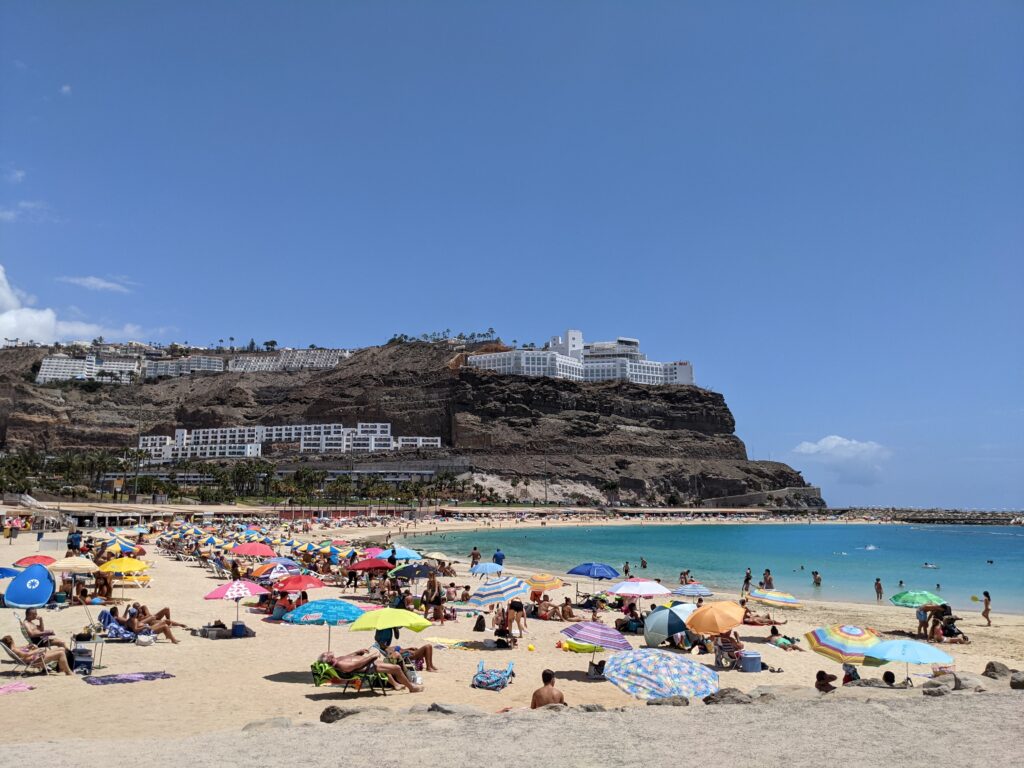
The south coast, roughly between Los Cristianos, Playa de las Américas, and Costa Adeje, concentrates most of the purpose-built resort infrastructure. Beaches here are either imported golden sand (Playa del Duque, Playa de Fañabé) or dark volcanic stretches. The sun is almost guaranteed, which is why direct charter flights land at Tenerife South Airport just 15 minutes away.
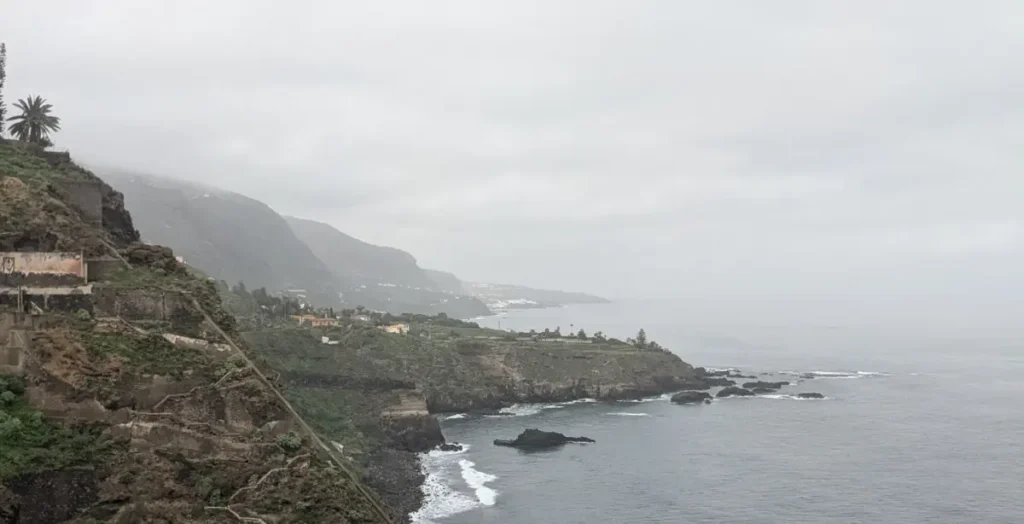
The north coast plays by different rules. Puerto de la Cruz sits below the Orotava Valley, and morning cloud cover is normal. But those clouds feed the laurisilva cloud forest above the town, and by early afternoon the sun usually breaks through. The black-sand beaches here (Playa Jardín, designed by artist César Manrique) feel distinctly Atlantic rather than Mediterranean-resort.
If beach access is your top priority, stay on the south coast between Costa Adeje and Los Cristianos. Most hotels sit within a 10-minute walk of the sand. In Puerto de la Cruz you can still reach the beach on foot, but the water is rougher and the town’s appeal is more about food, architecture, and nearby hiking than about lounging.
Tenerife’s bus system (called TITSA) is efficient enough that you don’t strictly need a car. Routes connect the south coast resorts to each other, and a separate line links Puerto de la Cruz to Santa Cruz and the south. That said, a rental car opens up the western coast and Teide National Park on your schedule. Local companies like Cicar tend to be cheaper and more straightforward than international brands.
Best Neighbourhoods in Tenerife for Different Traveller Types
Couples: Costa Adeje
Costa Adeje is the best area for most visitors, and particularly for couples. The seafront promenade runs past several sheltered, clean beaches, and the restaurant scene ranges well beyond typical tourist fare into Canarian tapas joints and high-end tasting menus. It’s polished without being sterile. Bars close at a reasonable hour, so you’re not kept awake by Playa de las Américas’ club noise half a kilometre south.
Walk inland and the vibe shifts quickly to everyday Canarian life: bakeries, small supermarkets, locals having a cortado at 10am. That contrast keeps it from feeling like a sealed-off resort bubble.
Families: Los Cristianos
Los Cristianos grew as an actual fishing village rather than being built for tourists. The harbour still operates, ferries leave for La Gomera (and you can also catch boats to Fuerteventura and other islands from nearby ports), and the main beach is sheltered enough for small children. Accommodation prices sit below Costa Adeje, and there are more apartment-style options with kitchens, which saves a fortune on feeding kids three meals a day.
Skip Playa de las Américas with young children. The area caters to a nightlife crowd, and the noise carries.
Nightlife and Groups: Playa de las Américas
The Veronicas strip in Playa de las Américas is where the bars stack up. It’s loud, it’s messy, and the drinks are cheap. If you’re here for a week of sun-and-party, this is the obvious base. Hotels and apartments skew budget-friendly and are priced to fill. Just know what you’re signing up for: thin walls, late-night noise, and kebab shops outnumbering local restaurants.
Culture and Hiking: Puerto de la Cruz
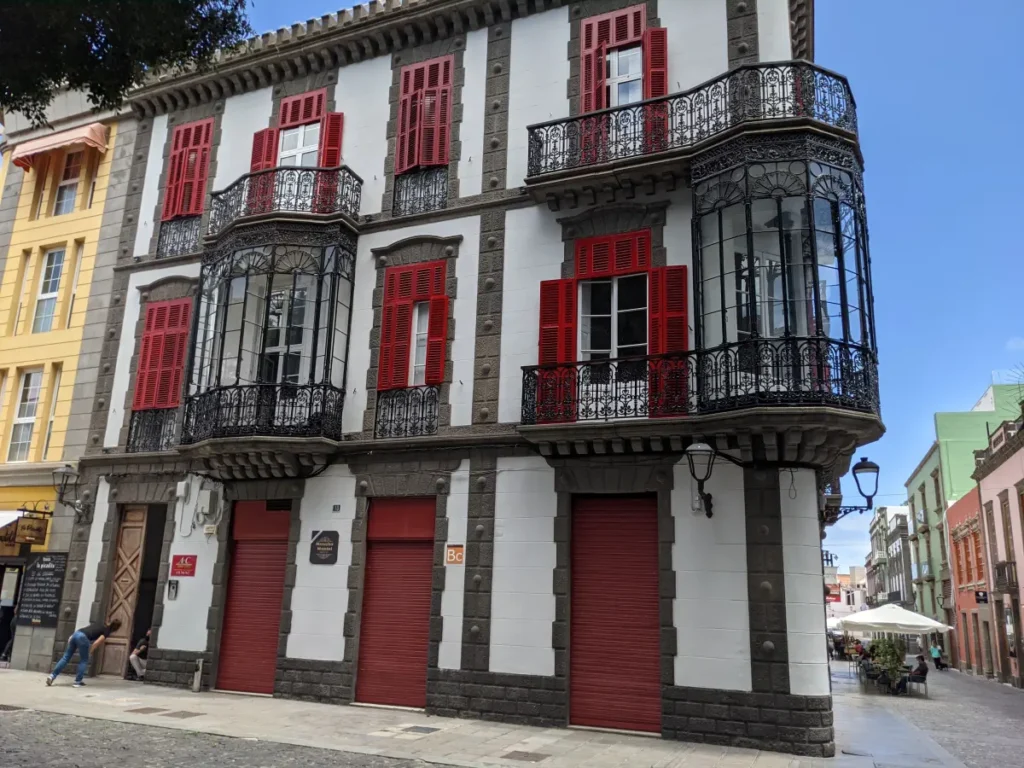
Puerto de la Cruz feels like an actual Spanish town that happens to have tourists in it. The old quarter has colonial balconied houses, the botanical garden (Jardín Botánico) dates to 1788, and the surrounding hills connect to serious hiking in the Anaga mountains and Teide park. There’s a lot more to explore across Tenerife’s natural landscapes from this base. Restaurants here serve dishes you’ll struggle to find in the south: caldereta, sancocho canario, and proper papas arrugadas with both mojo rojo and mojo verde. A cortado in the Plaza del Charco costs a fraction of what you’d pay on the Costa Adeje promenade.
The trade-off is weather. Expect clouds in the morning and occasional drizzle in winter. If you need guaranteed sun every single day, this isn’t the spot.
History and Budget: San Cristóbal de La Laguna
La Laguna’s UNESCO-listed old town is the intellectual heart of Tenerife. The university keeps the city young and lively, with cheap eats, bookshops, and bars that cater to students rather than tourists. There’s no beach, and the tram to Santa Cruz takes about 30 minutes. But if you want to experience Canarian daily life and keep costs low, it’s an excellent base. Flights arrive at nearby Tenerife North Airport, so you skip the long transfer south.
Rural Escape: Icod de los Vinos and the North
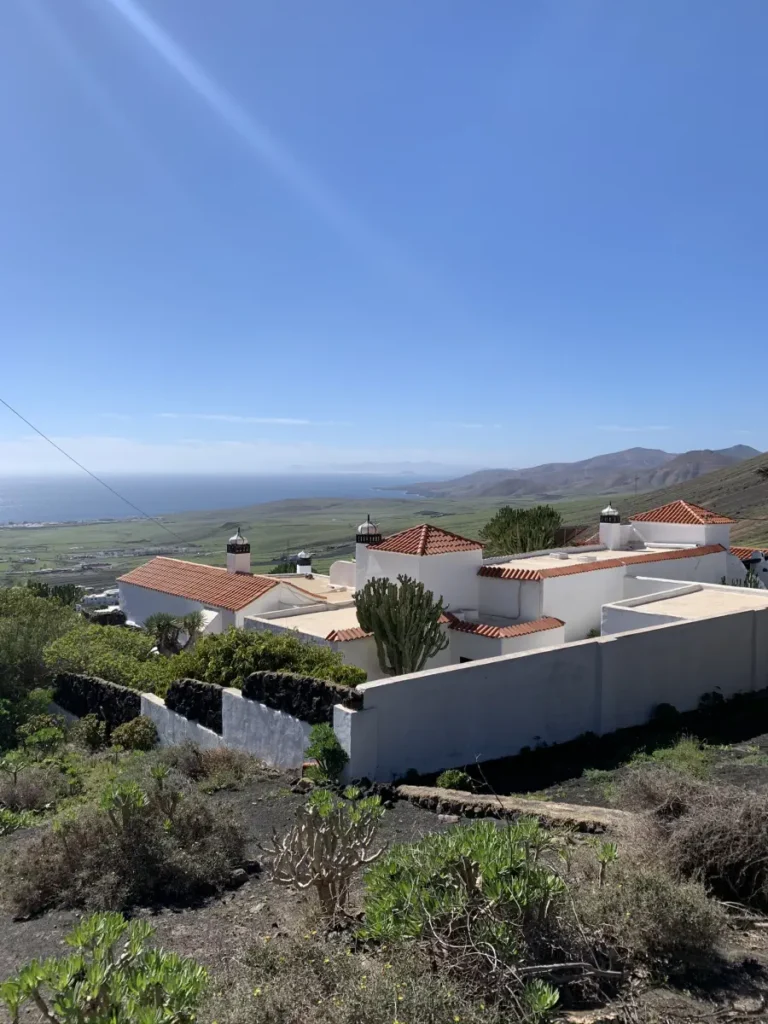
Icod is known for its ancient dragon tree and its vineyards (the name literally references wine). The north coast between Icod and Garachico has guesthouses and rural fincas where you can sleep surrounded by banana plantations for under EUR 60 a night. You’ll need a car. Worth it if you want quiet evenings, local wine, and a short drive to Teide.

Where to Stay in Tenerife Near Top Attractions and Activities
Mount Teide sits in the centre of the island, roughly equidistant between the north and south coasts. The drive up takes about 75 minutes via Costa Adeje or about 45 minutes via Puerto de la Cruz on the TF-21 road through La Orotava. So if hiking Teide or stargazing at 2,000+ metres is a priority, the north gives you a shorter drive and lets you start earlier.
For water sports, the south coast wins. Surf schools cluster around Playa de las Américas, and whale-watching boats leave regularly out of Los Cristianos harbour and Puerto Colón in Costa Adeje. The calmer waters on this side of the island also mean better conditions for kayaking and snorkelling.
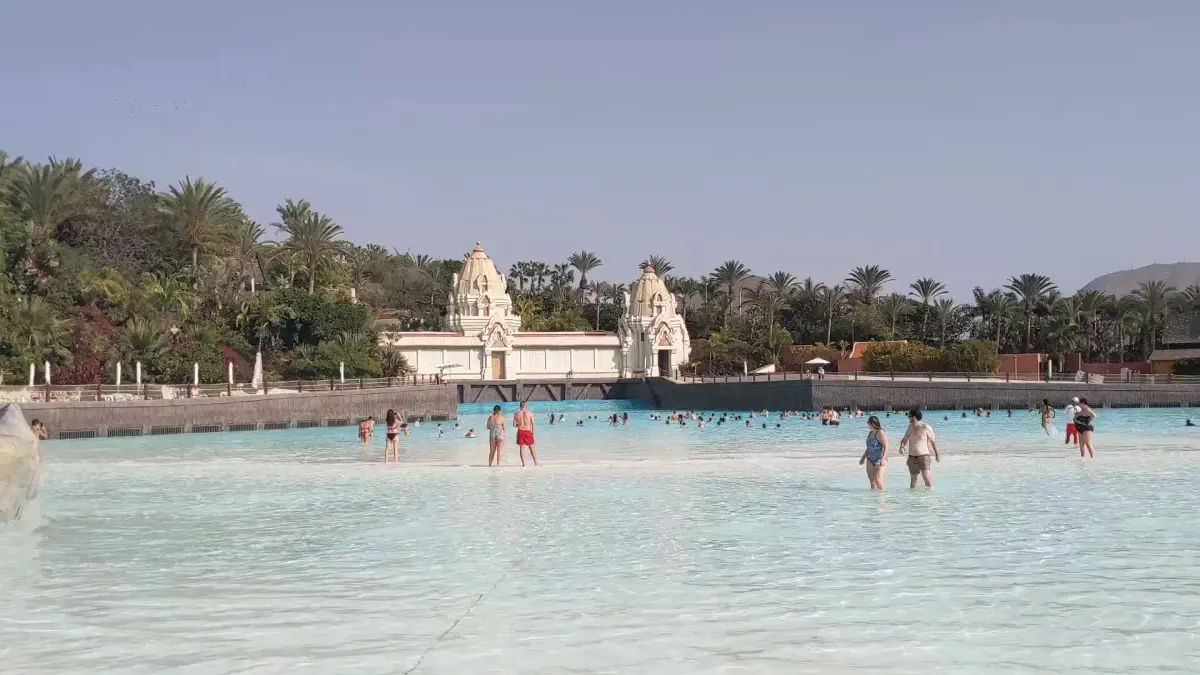
Loro Parque, the island’s famous zoo, is in Puerto de la Cruz. Siam Park, the water park that consistently ranks among Europe’s best, is in Costa Adeje. If you have kids and plan to visit both, you’ll end up driving or bussing across the island at least once no matter where you stay.
The Anaga Rural Park in the northeast corner has some of the island’s most dramatic trail walking through ancient laurel forest. La Laguna or Santa Cruz are the closest bases. The bus runs daily but check the schedule; it’s not frequent.
Tenerife Accommodation Types: Hotels, Apartments, and Resorts Compared
- All-inclusive resorts – Concentrated in Costa Adeje and Playa de las Américas. Convenient, predictable pricing, but you’ll miss out on Canarian food if you eat every meal at the buffet. Good for families who want to simplify logistics.
- Boutique hotels – A growing category in Puerto de la Cruz and La Laguna, often occupying restored colonial buildings. Rooms tend to be smaller, but the character and location make up for it.
- Holiday apartments and vacation rentals – The most flexible option, especially in Los Cristianos and the north. Having a kitchen saves real money over restaurant-only dining. Check for legal registration numbers (VV prefix) before booking.
- Rural guesthouses (casas rurales) – Scattered through the northern countryside and the highlands. Basic but atmospheric. Many are converted farmhouses with terraces overlooking the coast. Best for road trippers.
One thing to watch: the south coast is dominated by large hotel chains, while the north and inland areas lean toward independent properties and apartments. If you want personal service and local character, look north. If you want poolside convenience and reliable wi-fi, the south delivers.
Budget-Friendly vs. Luxury Options in Tenerife
Tenerife’s price spectrum is wide. Here’s what to expect at each tier.
Budget (under EUR 80/night)
Los Cristianos apartments, hostels in La Laguna, and rural guesthouses around Icod de los Vinos all land in this bracket. Puerto de la Cruz also has plenty of older hotels that keep rates low. Eating cheap is easy island-wide: a tapa of papas arrugadas with mojo costs a few euros, and a cortado is around one euro. Generally, staying inland or in the north costs less than equivalent accommodation near the southern beaches.
Mid-range (EUR 80–180/night)
This is the sweet spot. You’ll access well-located hotels in Costa Adeje with pools, sea-view apartments in Los Cristianos, or boutique rooms in Puerto de la Cruz. Most travellers land here and get excellent value.
Luxury (EUR 200+/night)
Costa Adeje’s southern end and the Abama area further west host the island’s top-tier resorts with private beaches, spa facilities, and golf courses. The Abama stretch is notably quieter and more isolated than central Costa Adeje. Expect polished service but a taxi ride to anywhere else.
Tenerife Weather and Best Seasons to Choose Your Accommodation Location
This is the single most underrated factor in choosing where to stay in Tenerife. The south gets about 3,000 hours of sunshine per year. The north gets noticeably less, especially between November and March, when clouds build over the trade-wind-facing slopes by mid-morning.
But “cloudier” doesn’t mean cold. Average winter temperatures in Puerto de la Cruz hover around 18°C. And those clouds bring the lush vegetation that makes the north so much more interesting to look at. The south, by comparison, is dry and scrubby once you step away from irrigated hotel gardens.
Watch for Calima episodes, when Saharan dust blows over the islands. These happen roughly once a month, last a few days, and make everything hazy and noticeably hotter. They’re more intense in the south. If you have respiratory issues, carrying an N95 mask is a sensible precaution during Calima.
Summer (June through September) is reliably dry and warm across the entire island. Winter is when the north-south difference really matters. If you need sun certainty in January, stay south. If you can handle a variable forecast, the north rewards you with better food, lower prices, and fewer crowds. Tenerife’s year-round mild climate is one reason the Canaries are a popular spring holiday destination when other European options are still shaking off the cold.
Booking Tips
Book south coast resorts at least two months ahead for December through March, when northern Europeans flood in to escape winter. Summer is actually easier to book, since many tourists head to mainland Mediterranean destinations instead.
Puerto de la Cruz and La Laguna rarely sell out completely. You can often find good rates within a few weeks of arrival, especially for apartments.
Compare prices across multiple hotel booking sites before committing. Prices for the same room can vary by 15-20% between platforms. And always check the property’s own website, as direct bookings sometimes include breakfast or late checkout that third-party sites don’t offer.
If you’re also weighing mainland Spain for your trip, the accommodation landscape is quite different. Our guide to where to stay in Alicante covers a comparable coastal city with a very different vibe.
One practical note: Tenerife uses the euro but sits outside the EU VAT area, so the local tax (IGIC) is lower than mainland Spain. Prices in shops and restaurants already include it. ATM withdrawals sometimes carry a EUR 1–8 surcharge from the machine itself, so consider paying by card when you can.
FAQ: Common Questions About Where to Stay in Tenerife
Is it better to stay in North or South Tenerife?
For guaranteed sun and resort convenience, the south. For food, culture, hiking access, and lower prices, the north. Most first-time visitors pick the south and wish they’d spent at least a couple of nights in Puerto de la Cruz.
What’s the safest area?
Tenerife is broadly safe. The main risk is petty theft in busy tourist zones, particularly around Playa de las Américas at night. Keep valuables close in crowded areas and be aware of your surroundings, especially after dark. Costa Adeje and Puerto de la Cruz both feel secure at all hours.
Where should I stay to avoid tourist crowds?
Anywhere north of Puerto de la Cruz: Garachico, Icod de los Vinos, or the Anaga region in the northeast. You’ll need a car, and nightlife options thin out considerably. But the trade is peace, better prices, and scenery that doesn’t involve a single resort pool.
Which area has the best nightlife?
Playa de las Américas, and it’s not close. The Veronicas strip concentrates most of the clubs and late-night bars. Costa Adeje has cocktail bars and restaurant-bars but nothing resembling a club scene. Puerto de la Cruz has a few local bars around Plaza del Charco that stay open late but the vibe is relaxed rather than rowdy.
Is it cheaper to stay inland or near the beach?
Generally, yes. Inland towns like La Laguna and rural areas around Icod de los Vinos run significantly cheaper than the beachfront south coast. Puerto de la Cruz offers a middle ground: coastal location but with prices well below Costa Adeje. The biggest savings come from choosing an apartment with a kitchen over a hotel, regardless of location.
Do I need a car?
Not if you’re staying in the south coast strip and only plan to beach-hop. TITSA buses connect the main resorts reliably. But for Teide, the Anaga mountains, or exploring the north coast villages, a rental car makes an enormous difference. Local companies like Cicar tend to offer better deals than international chains.
Get Spain travel tips in your inbox
Occasional, genuinely useful emails — best times to visit, local tips, and deals. No spam.
Plan your trip to Spain
- Trip.com: A great source for finding flights and airport connections. I have noticed that it finds flight connections that some other search engines miss.
- Booking.com: My favourite site for booking hotels and apartments (and occasionally flights). They have the best filters and I like the user friendly interface.
- Hotels.com: The most popular hotel booking platform in many countries, US included.
- Get Your Guide: A massive selection of tours and excursions. They have tons of options available in Spain, including walking tours, cooking classes, museum options, boat tours and more!
- DiscoverCars: Want to explore charming villages and get out of the busy cities? DiscoverCars pools together the best offers from car rental operators for your convenience.
- Omio: Want to find the best option to move between cities in Spain? I use Omio for that. Plus you get to book the ticket from the same amazing platform.
- Klook: Need a local SIM card for your trip to Spain? A stress free holiday nowadays (unfortunately) might start from a good connection, so get an affordable eSIM here.
- VisitorCoverage: Not interested in checking out Spanish public health care system on your holiday? (like I've managed to do..) A cheap travel insurance gets that stress out of the way.
Some links above are affiliate links. If you book through them I may earn a small commission, at no extra cost to you.