Spain Weather by Region: North vs South Compared
This post contains affiliate links. If you book through them, I may earn a small commission at no extra cost to you.
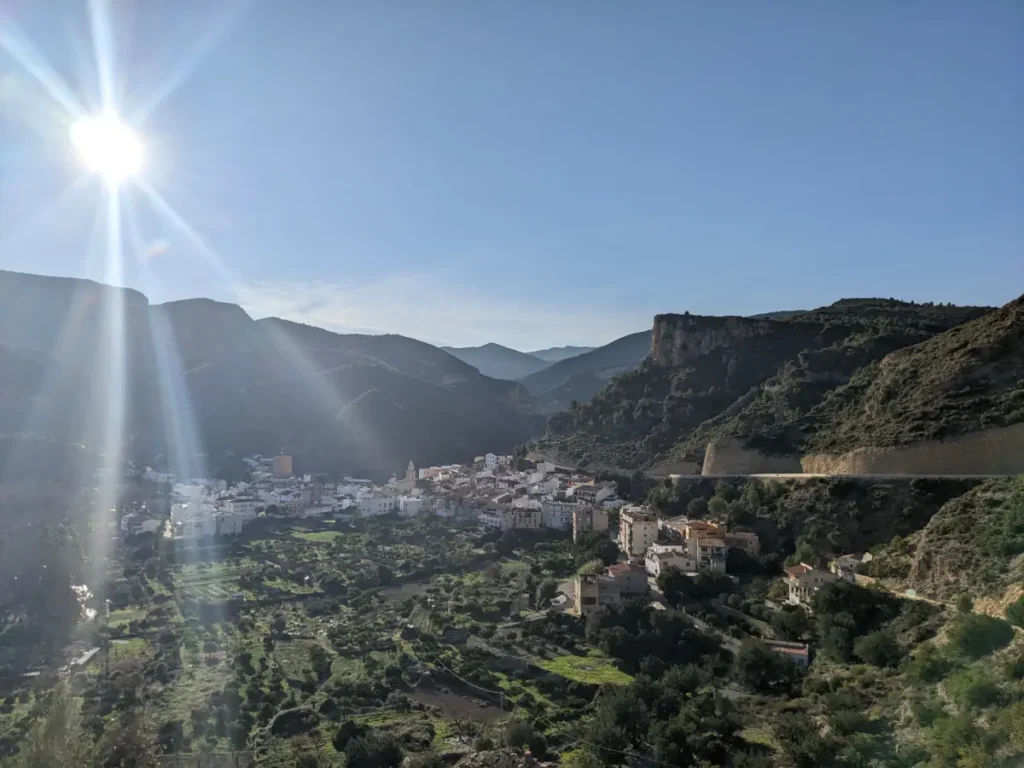
Spain’s weather changes a lot depending on where you are – it’s one of the most surprising things for visitors. The sunny stereotype doesn’t fit every corner of the country. From misty mornings up north to dry heat in the south, the contrast is real. If you’re planning a trip or just curious, knowing the Spain weather by region helps you decide when and where to go.
Why Spain’s regions feel so different
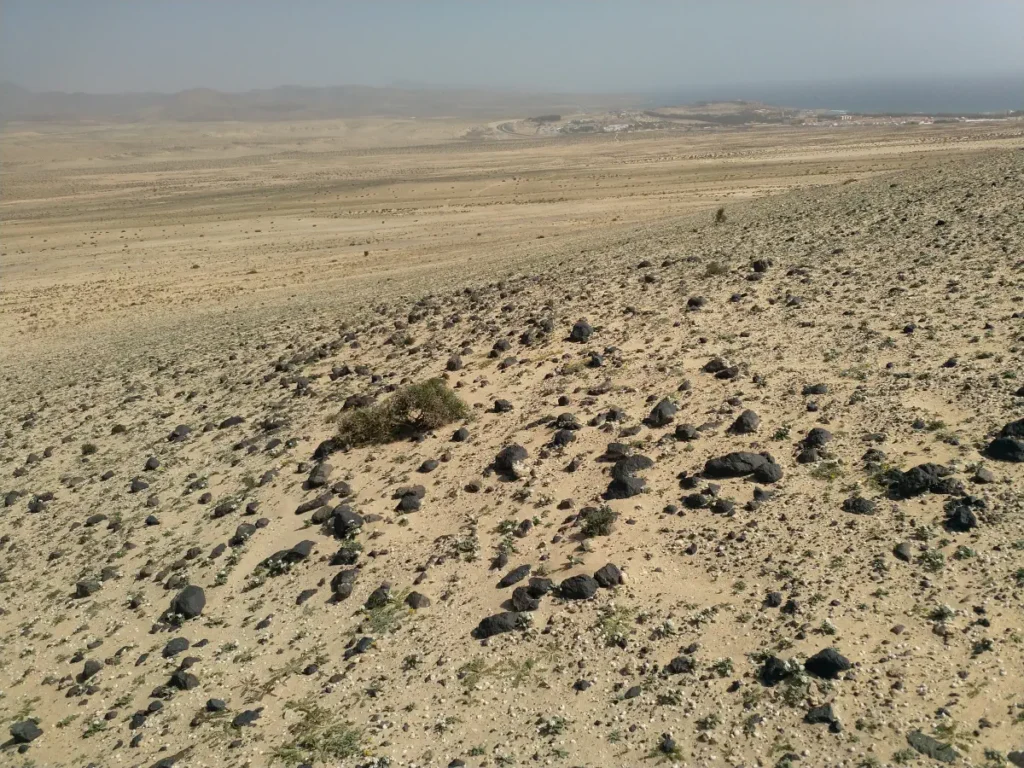
Spain’s geography plays a big role here. There are mountains in the middle (hello, Central Plateau), the Atlantic to the northwest, the Mediterranean to the east and south, and even the desert-like areas in the southeast. That mix of altitude, sea breeze, and latitude means the Spain weather by region can feel like you’re jumping between different countries in a day.
Northern Spain: green, cool, and wet
Regions: Galicia, Asturias, Cantabria, Basque Country
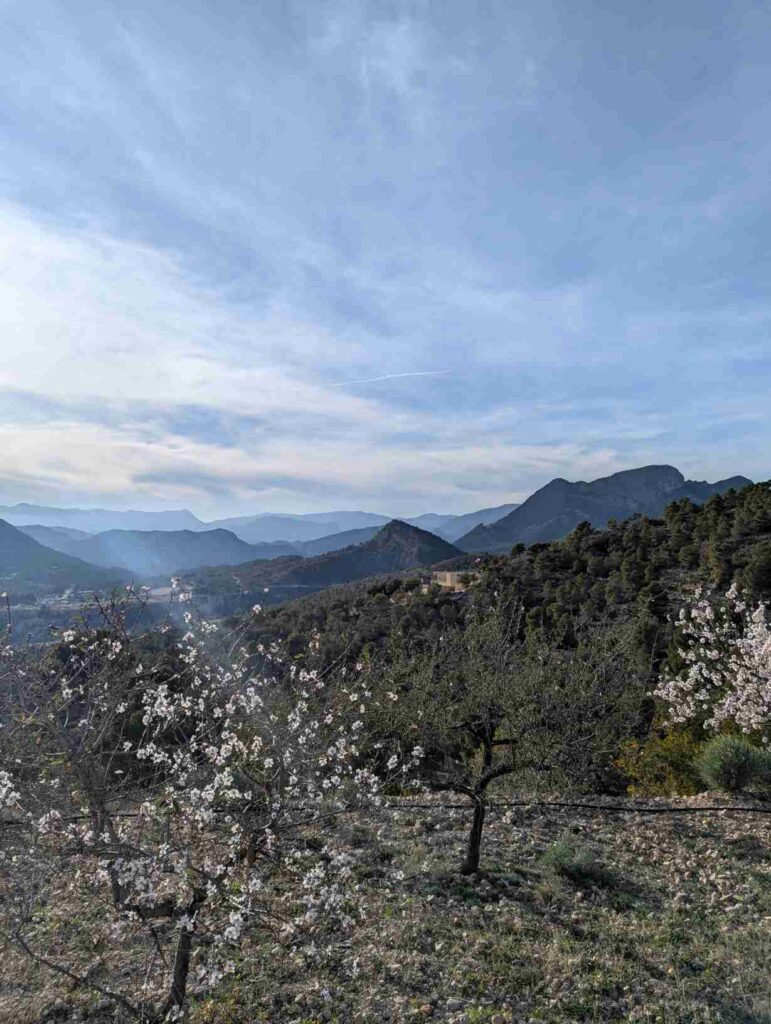
Northern Spain is lush, green, and cooler than you might expect. It faces the Atlantic, so it gets more rain throughout the year. Summers are mild – perfect if you’re not a fan of the heat. Winters can get chilly, but rarely freezing.
Average temps
- Summer: 20-25°C (68-77°F)
- Winter: 8-12°C (46-54°F)
Expect
- Cloudy mornings, sudden showers
- Beautiful green hills and forests
- Amazing food, even better cider
Good months to go: June to September, or anytime if you don’t mind some rain.
If you are looking for a base in San Sebastian or Santander, you can browse the best-rated local stays here.
Southern Spain: dry, sunny, and hot
Regions: Andalusia (Seville, Córdoba, Málaga), Murcia, parts of Extremadura
The south is where that Spanish heat lives. Summers can be intense – Seville regularly hits over 40°C (104°F) in July and August. But if you like sun, this is paradise. Rain is rare, and winters are short and mild.
Average temps
- Summer: 30-40°C (86-104°F)
- Winter: 12-18°C (54-64°F)
Expect
- Long dry spells
- Warm beaches even in late spring
- Orange trees and flamenco vibes
Good months to go: March to May or September to November (skip midsummer unless you love the heat).
Central Spain: hot days, cold nights
Regions: Madrid, Castilla-La Mancha, Castilla y León
This part of Spain has more extremes. Summers are hot and dry, but winters can be surprisingly cold, especially at night. It’s less humid than the coast, which helps, but the dry air can hit you if you’re not used to it.

Average temps
- Summer: 30-35°C (86-95°F)
- Winter: 5-10°C (41-50°F), colder at night
Expect
- Big swings between day and night
- Some snowfall in winter, especially in higher areas
- City life with lots of sunshine
Best time to go: spring or early fall – warm but not baking.
Eastern Spain: mild Mediterranean
Regions: Valencia, Catalonia (Barcelona), Alicante
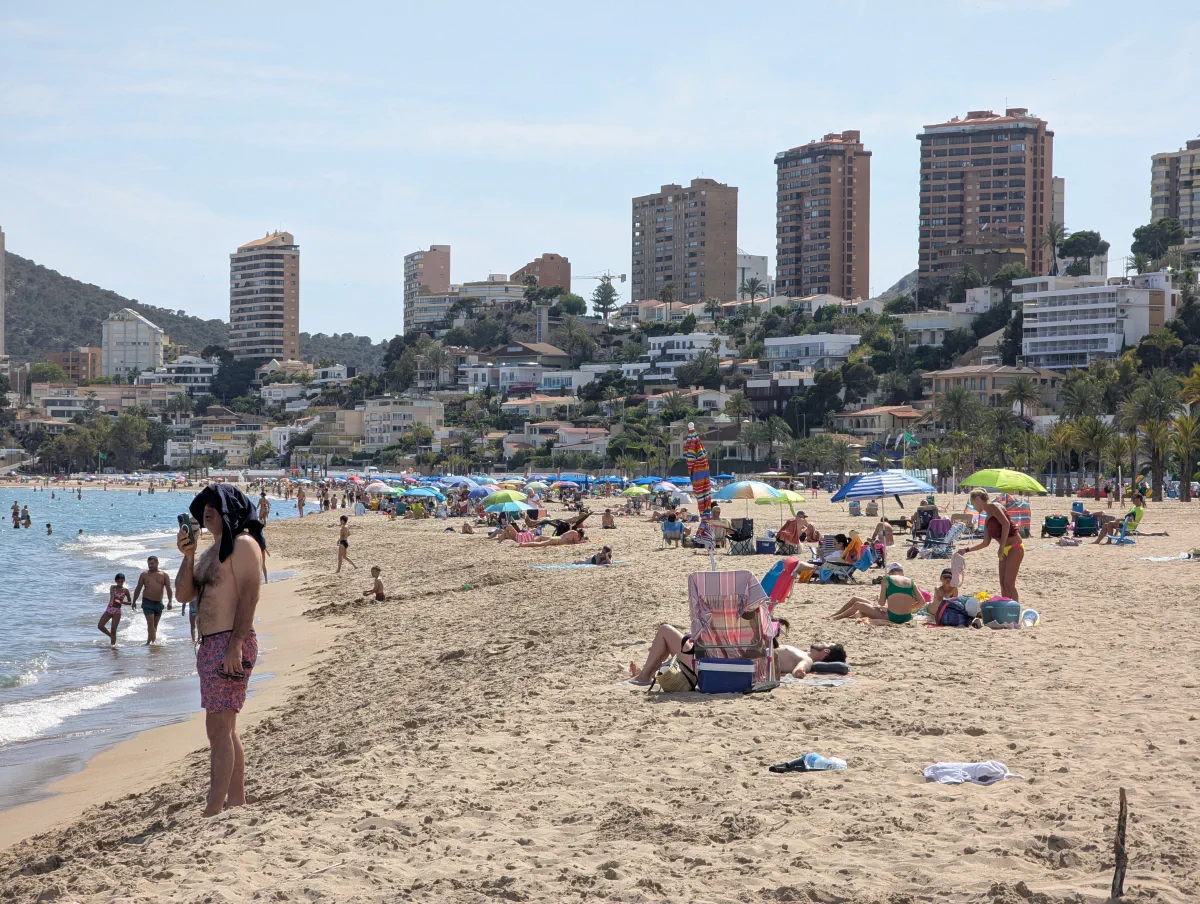
The east coast has that classic Mediterranean weather – warm summers, mild winters, sea breeze all year. It’s a favorite for beachgoers and digital nomads for a reason. It can get humid, though, especially in late summer. My favourite area in Spain to live in.
Average temps
- Summer: 28-32°C (82-90°F)
- Winter: 10-15°C (50-59°F)
Expect
- Lots of sunny days
- Warm, swimmable sea
- Summer storms now and then
Best time to go: May to October, or even year-round if you’re okay with cooler sea temps.
Quick comparison: Spain weather by region
| Region | Summer | Winter | Rain Level |
|---|---|---|---|
| North (Basque, Galicia) | Mild (20-25°C) | Cool (8-12°C) | High |
| South (Andalusia) | Very Hot (35-40°C) | Mild (12-18°C) | Low |
| Central (Madrid) | Hot (30-35°C) | Cold (5-10°C) | Low-Med |
| East (Barcelona, Valencia) | Warm (28-32°C) | Mild (10-15°C) | Medium |
Knowing the Spain weather by region lets you plan smarter. Want cool air and green hills? Head north. Looking for sun and flamenco? Go south. Prefer something balanced? East or central Spain might be your spot. There’s no bad choice – just different flavors of sunshine and clouds.
Ready to book your Spain trip?
Find the best hotel deals for popular destinations:
Stay22 compares prices across Booking.com, Agoda, and other platforms.
EXPLORE DESTINATIONS THAT FIT THE FORECAST
-
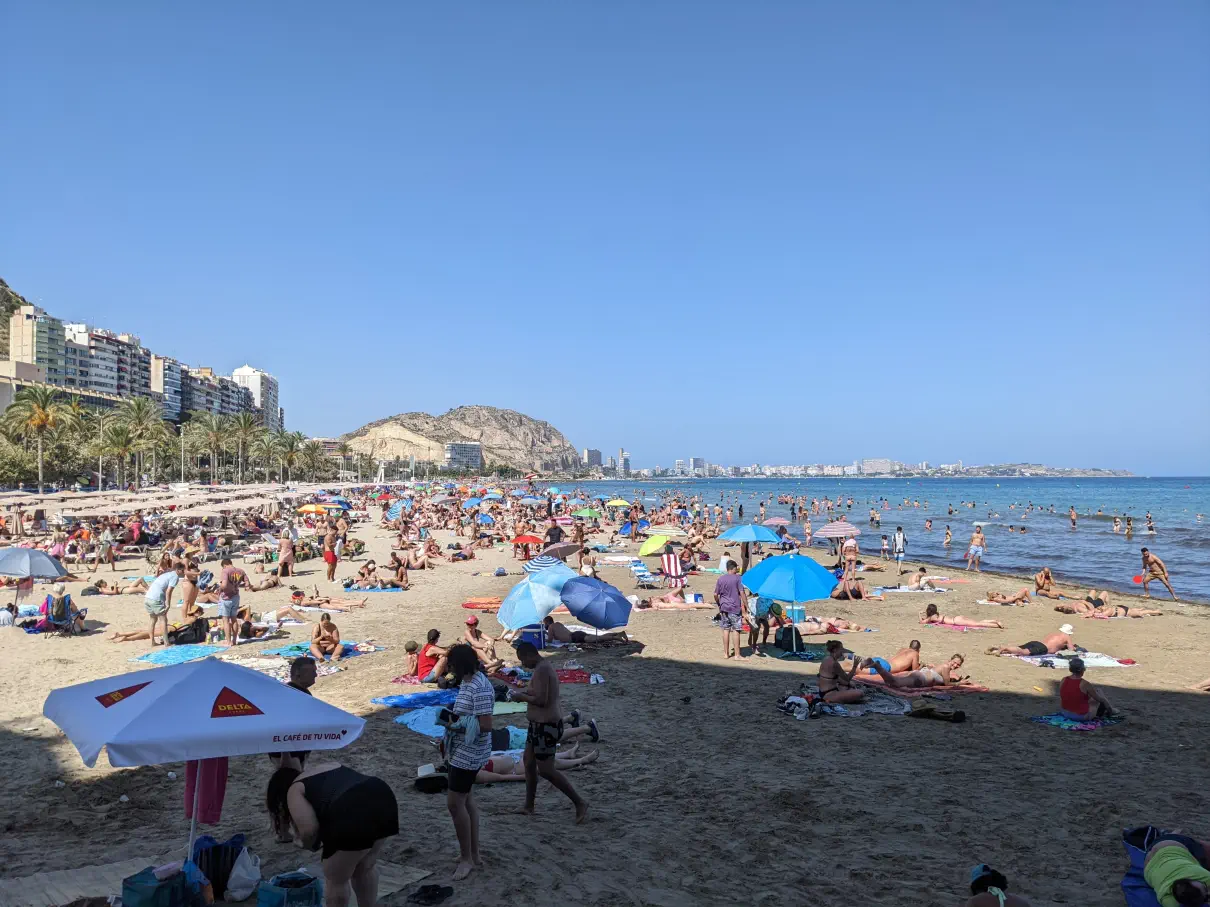
Is August Too Crowded in Spain?
This post contains affiliate links. If you book through them, I may earn a small commission at no extra cost to you.August in Spain brings a certain kind of energy.…
-
Spain Summer Packing List: Essentials You’ll Actually Need (+ a packing list generator)
This post contains affiliate links. If you book through them, I may earn a small commission at no extra cost to you. Spain in summer is sunny, bold, and full…
-

Cheapest Places to Visit in Spain in Summer
This post contains affiliate links. If you book through them, I may earn a small commission at no extra cost to you. Spain is packed with summer spots, but not…
Get Spain travel tips in your inbox
Occasional, genuinely useful emails — best times to visit, local tips, and deals. No spam.
Plan your trip to Spain
- Trip.com: A great source for finding flights and airport connections. I have noticed that it finds flight connections that some other search engines miss.
- Booking.com: My favourite site for booking hotels and apartments (and occasionally flights). They have the best filters and I like the user friendly interface.
- Hotels.com: The most popular hotel booking platform in many countries, US included.
- Get Your Guide: A massive selection of tours and excursions. They have tons of options available in Spain, including walking tours, cooking classes, museum options, boat tours and more!
- DiscoverCars: Want to explore charming villages and get out of the busy cities? DiscoverCars pools together the best offers from car rental operators for your convenience.
- Omio: Want to find the best option to move between cities in Spain? I use Omio for that. Plus you get to book the ticket from the same amazing platform.
- Klook: Need a local SIM card for your trip to Spain? A stress free holiday nowadays (unfortunately) might start from a good connection, so get an affordable eSIM here.
- VisitorCoverage: Not interested in checking out Spanish public health care system on your holiday? (like I've managed to do..) A cheap travel insurance gets that stress out of the way.
Some links above are affiliate links. If you book through them I may earn a small commission, at no extra cost to you.