Lanzarote – A Peaceful and Stunning Paradise
This post contains affiliate links. If you book through them, I may earn a small commission at no extra cost to you.
Lanzarote is the most elegant and stylish of the Canary Islands I’ve visited. The villages are pretty, the houses are mostly white and no more than three storeys high, and the nature on the east and west sides of the island differs like night and day. The volcanic wines are, in my opinion, completely exceptional, and for cycling enthusiasts the well-maintained roads circling the island are a true dream with their beautiful scenery.
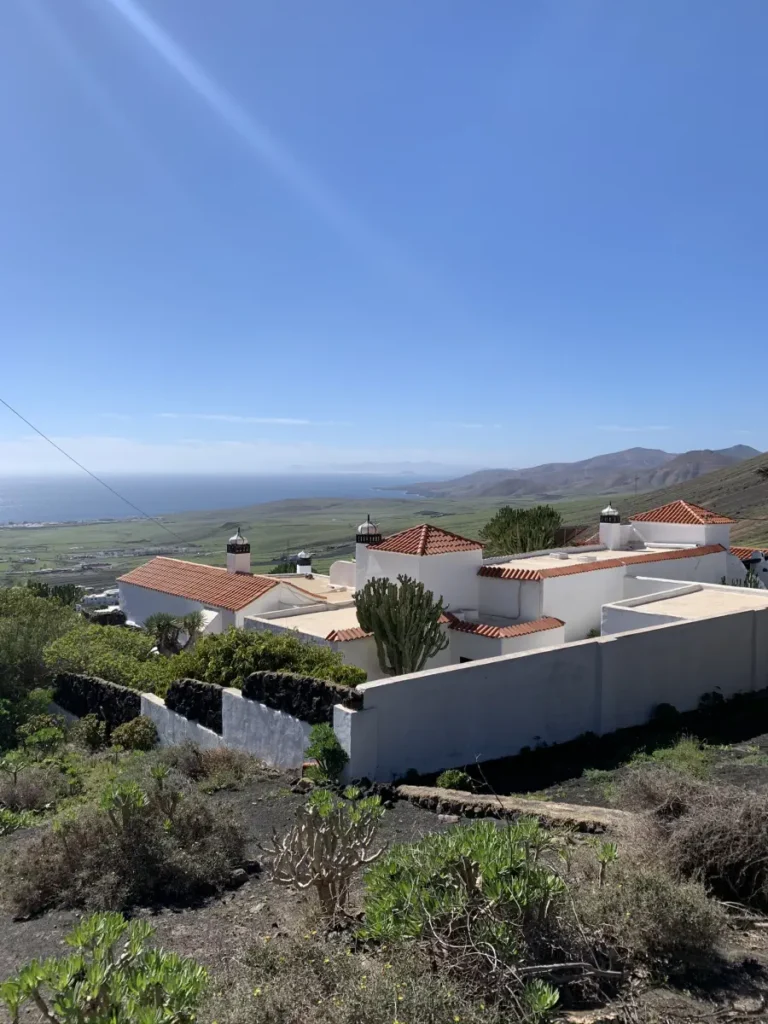
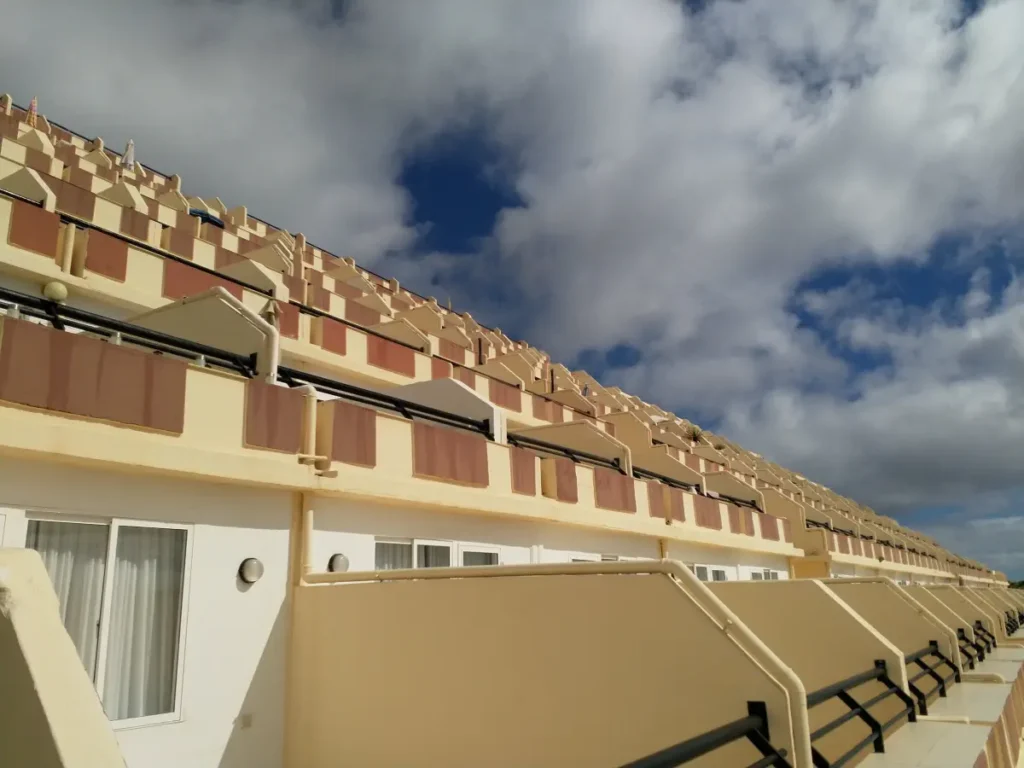
Nearly half of the island’s 150,000 residents live in Arrecife, a beautiful and very white city on the southeast coast. On Lanzarote’s east side, houses are scattered here and there on hillsides and in valleys, and there’s a pleasant sense of space — especially since the mountain slopes rise quite gently, offering beautiful views of the sea even from further away (like our accommodation in the photo above).
One of Lanzarote’s local delicacies is undoubtedly the volcanic wine, which I haven’t managed to find outside the Canary Islands — not even in wine shops. The wines have (in my opinion) a completely unique flavour profile that I haven’t found in other wines. And I’m no wine expert and can barely remember any, so it’s truly rare for me to miss a specific wine. Based on a couple of tastings, I also want to warn you that it can sneak up on you like champagne, so enjoy with caution!
My 5 Favourite Places
#1 Timanfaya National Park
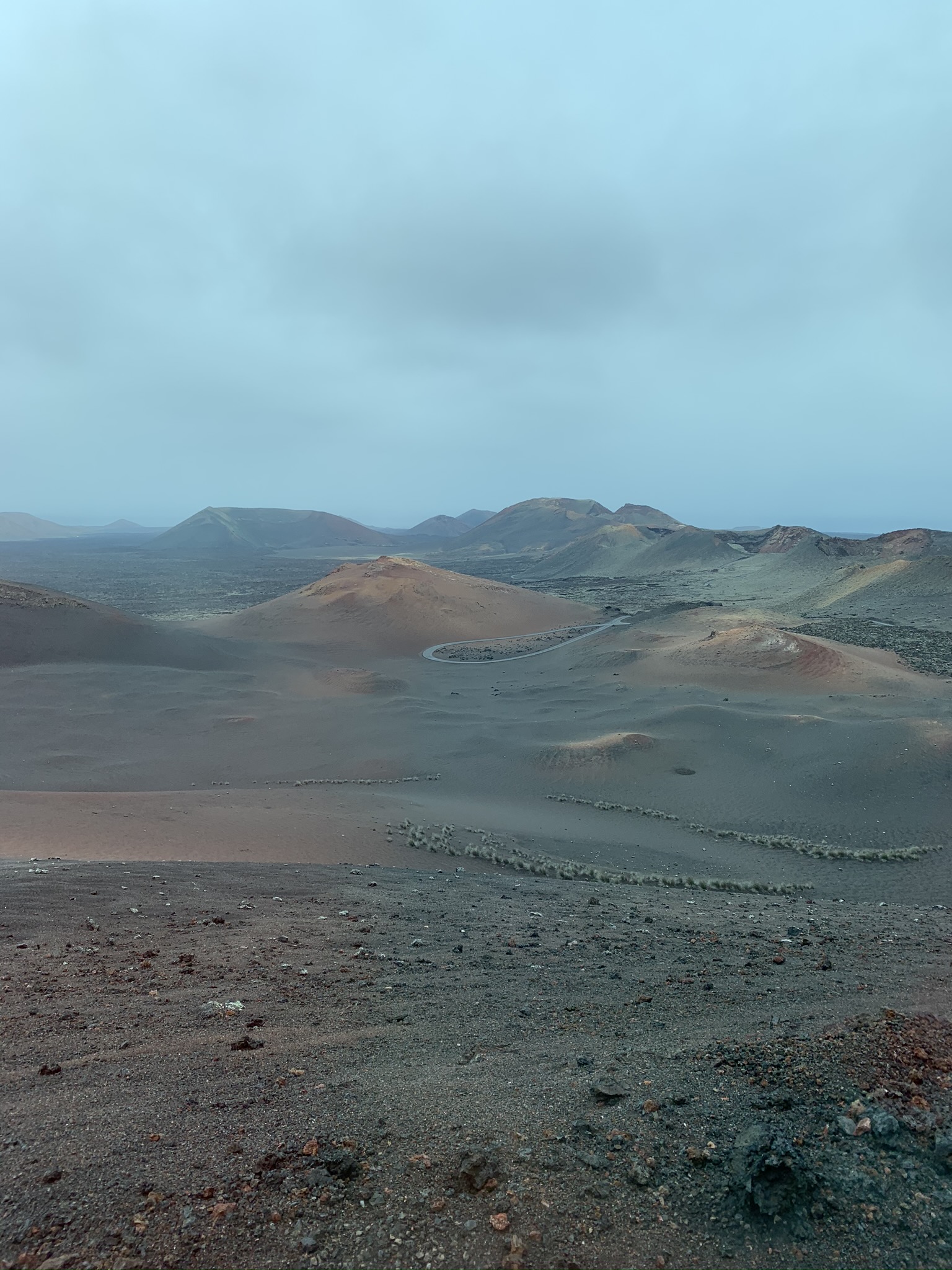
An easy first choice. Being in the park feels like you’ve left Earth and landed on the Moon or Mars. It might sound a bit exaggerated, but visiting here was truly an impressive experience. The first eruptions occurred back in 1730–1736, but the latter happened in 1824 — nearly 200 years ago. It’s hard to imagine what the eruptions must have looked like, given that almost a quarter of Lanzarote’s surface area belongs to this zone, and only 200–300 years after the eruptions is there even a hint of vegetation.
This terrain is one of the main reasons Lanzarote is so different in flora and fauna compared to other Canary Island destinations.
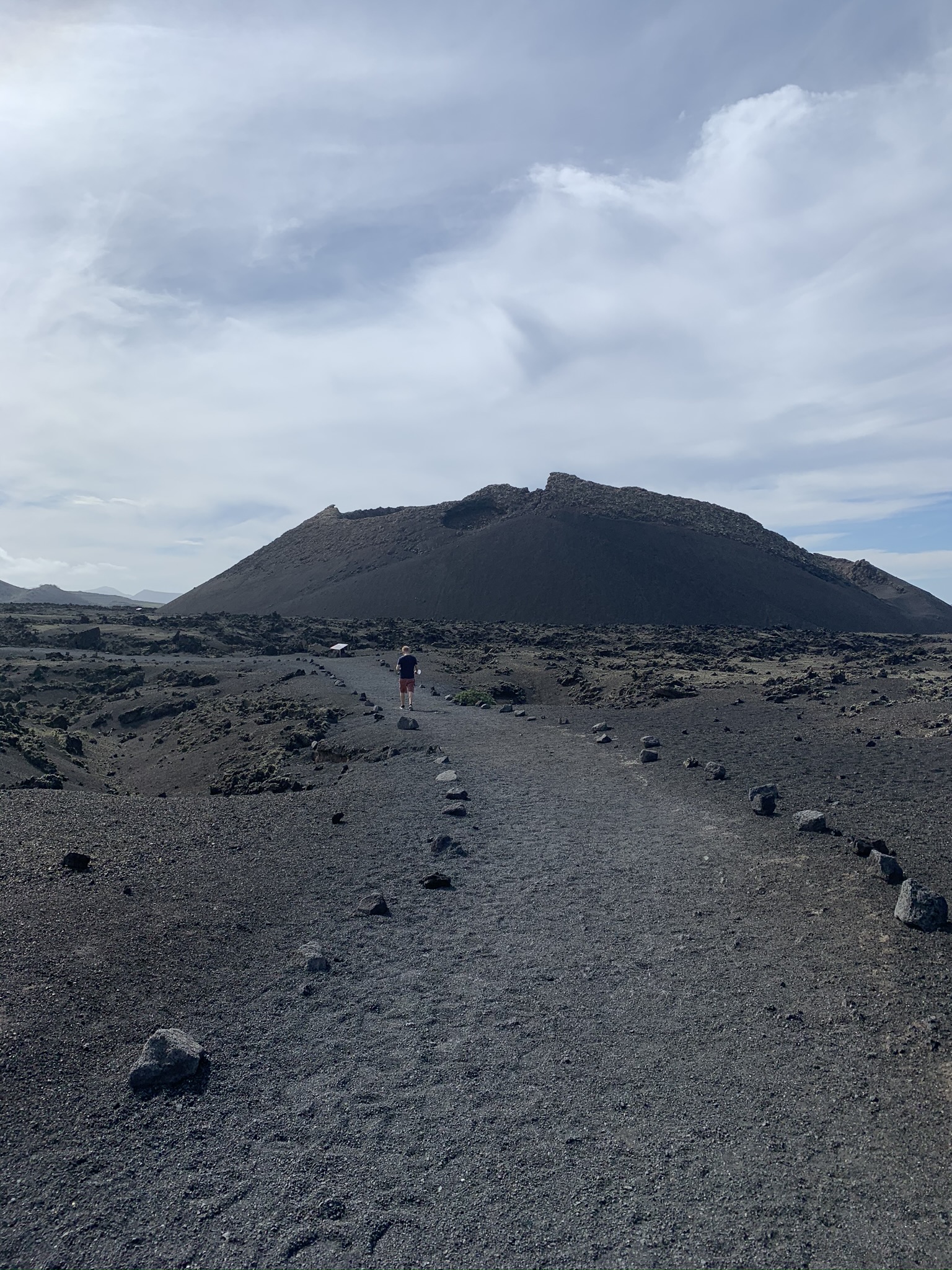
Visitors to the national park can take bus tours around the area. This zone is off-limits without the bus ride, and we saw the most spectacular craters from the bus. The area also has some walking trails offering stunning views of the park’s beautifully barren landscapes.
#2 Caleta del Mojón Blanco
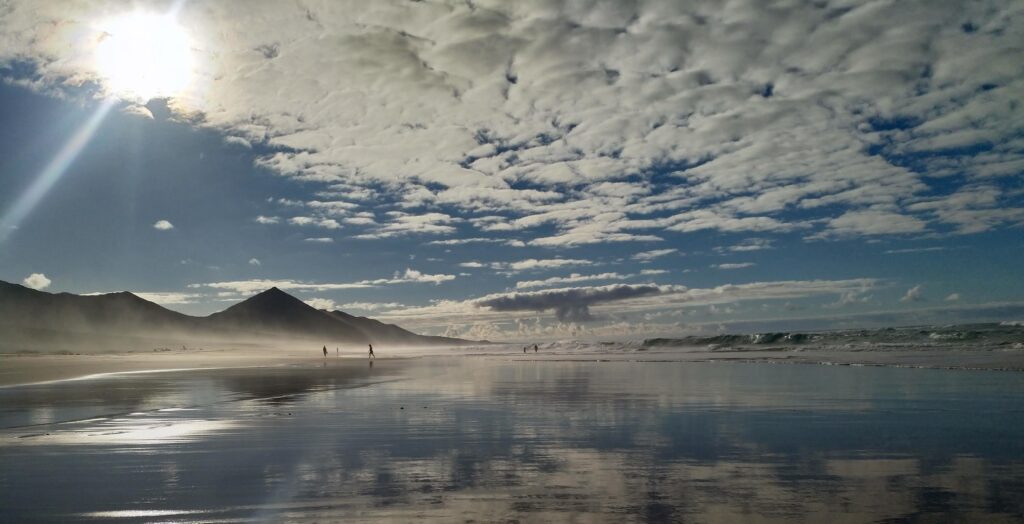
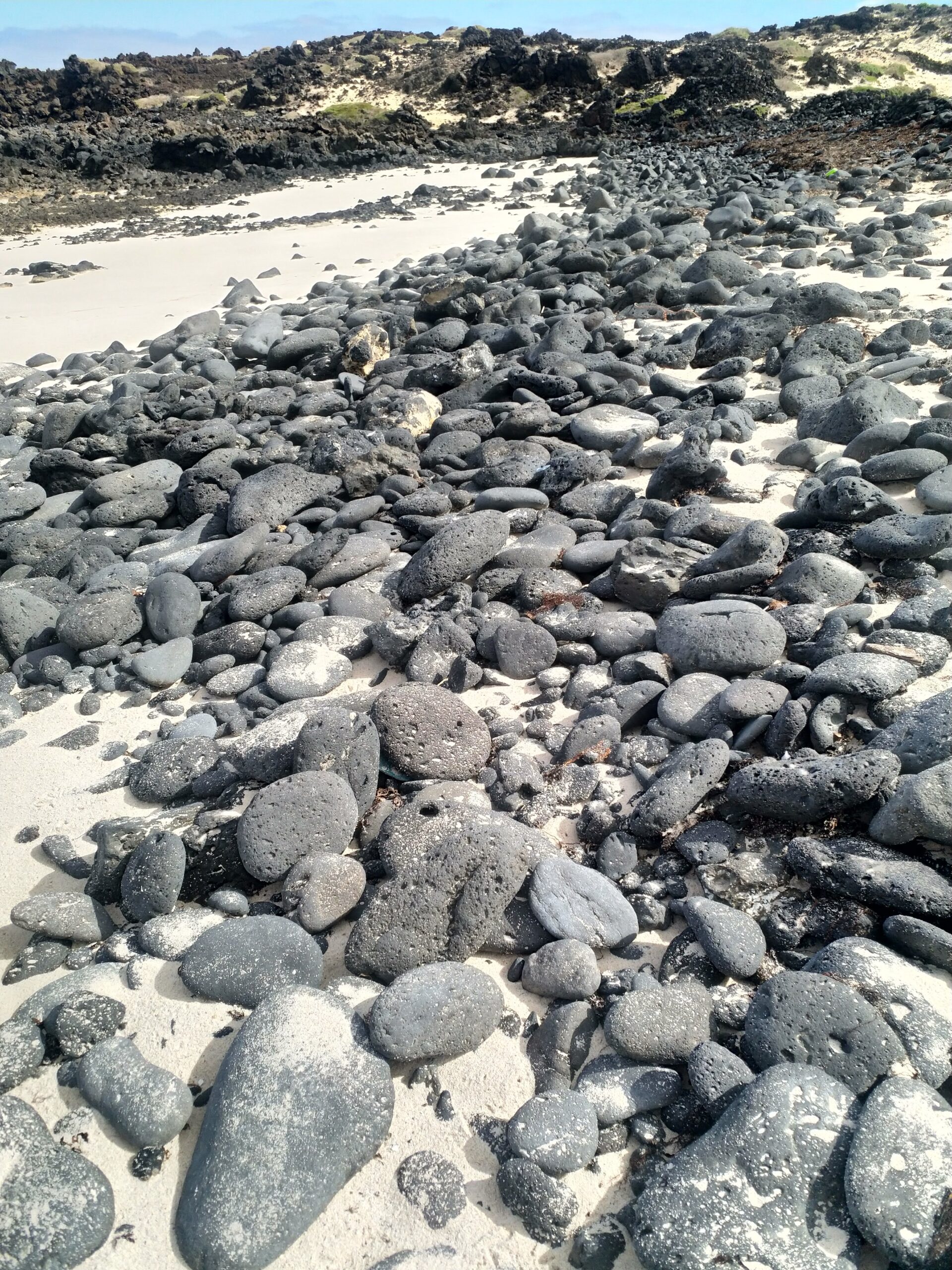
This beach made my recommendations because it was the most peaceful of all the beaches we visited on Lanzarote. A nice change from the more crowded beaches — no bars, barely any other people. If you’re after a more traditional beach, Playa de Papagayo is recommended by almost every tourist guide as a “quiet beach,” which means it’s not so quiet anymore. 🙂 Still very pretty though, with a couple of pleasant small bars.
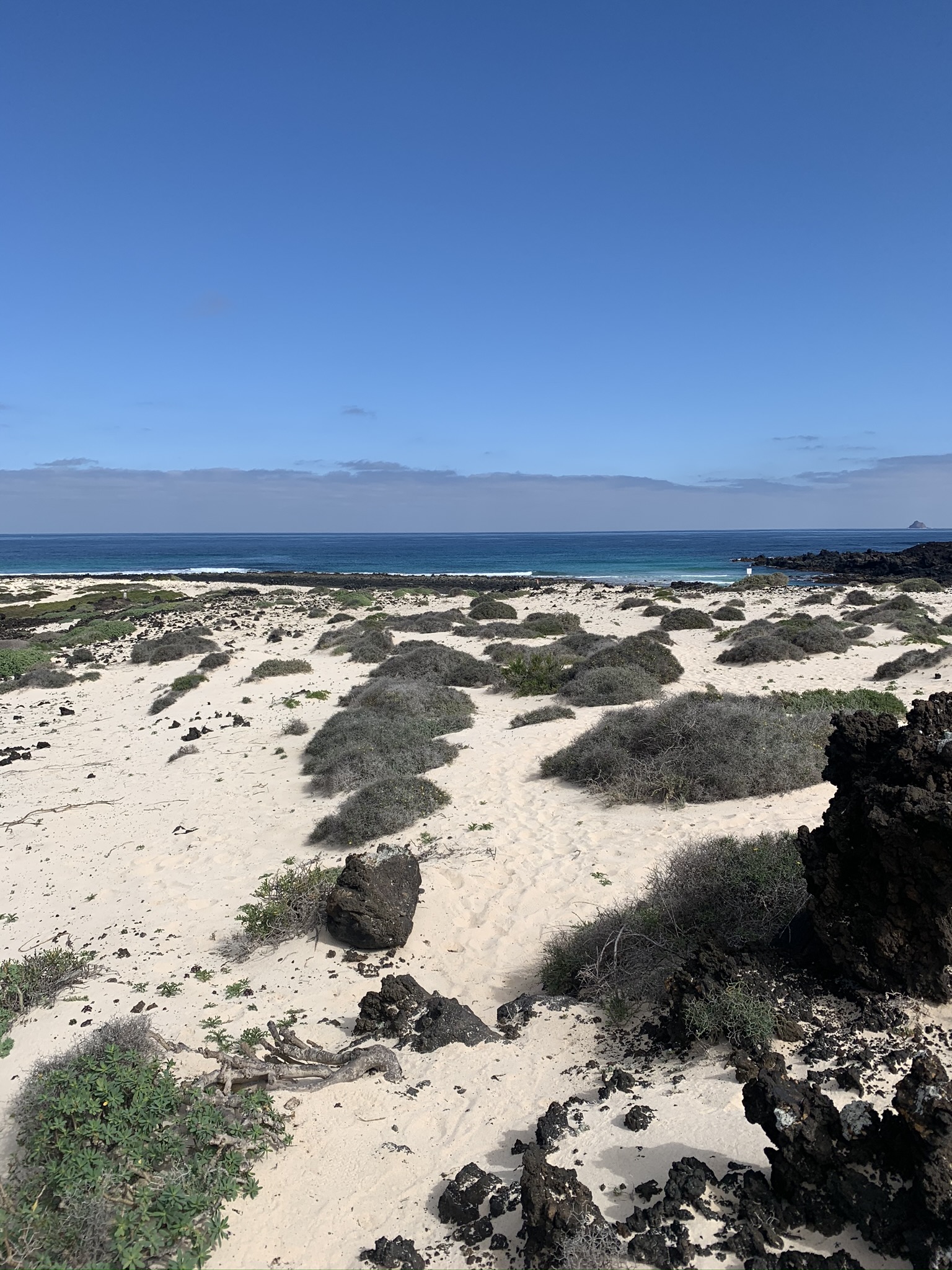
Natural beauty without unnecessary fuss. Although a road ran alongside, there was barely any traffic, so it didn’t disturb the relaxation.
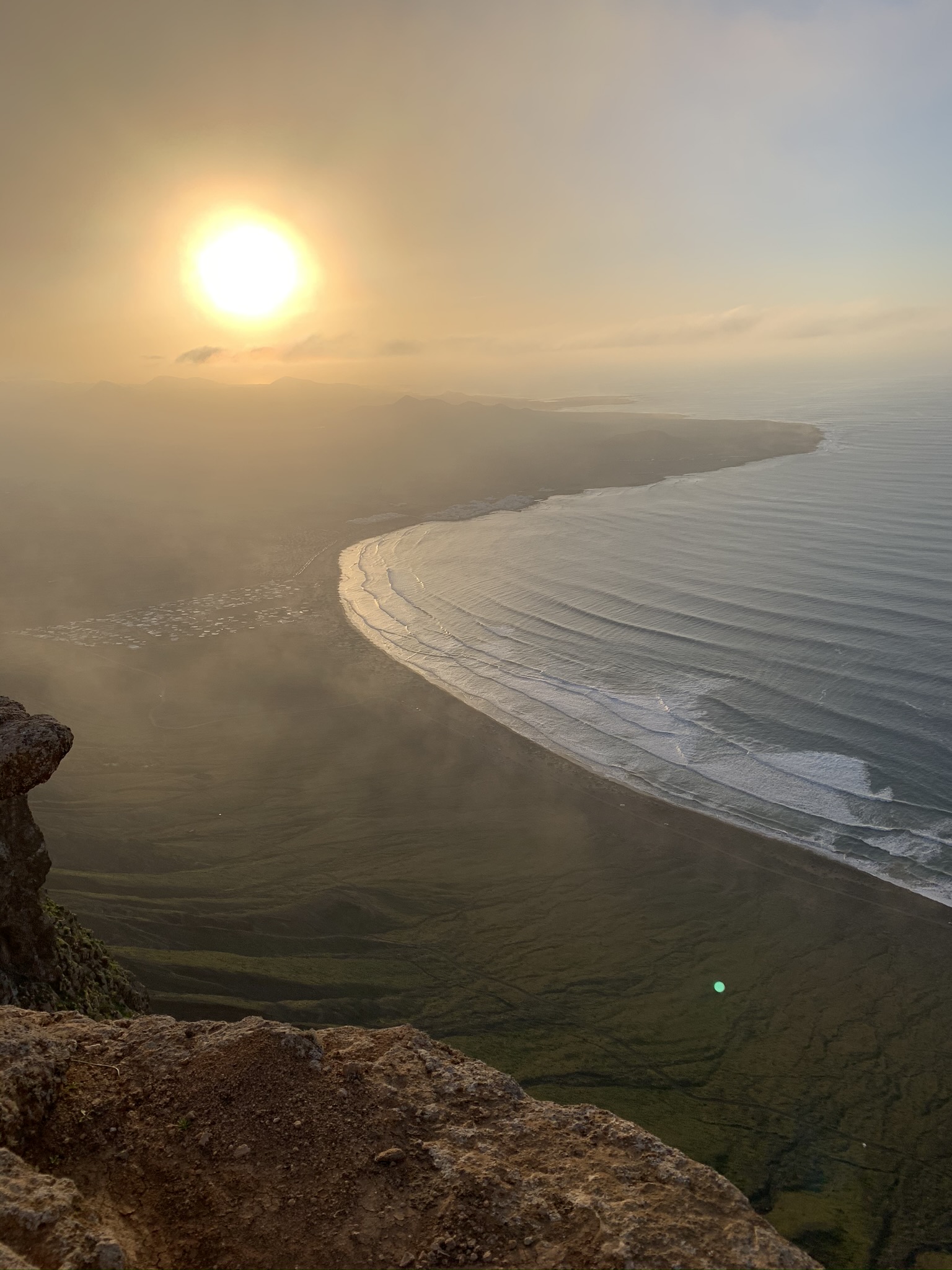
#3 Mirador Risco de Famara
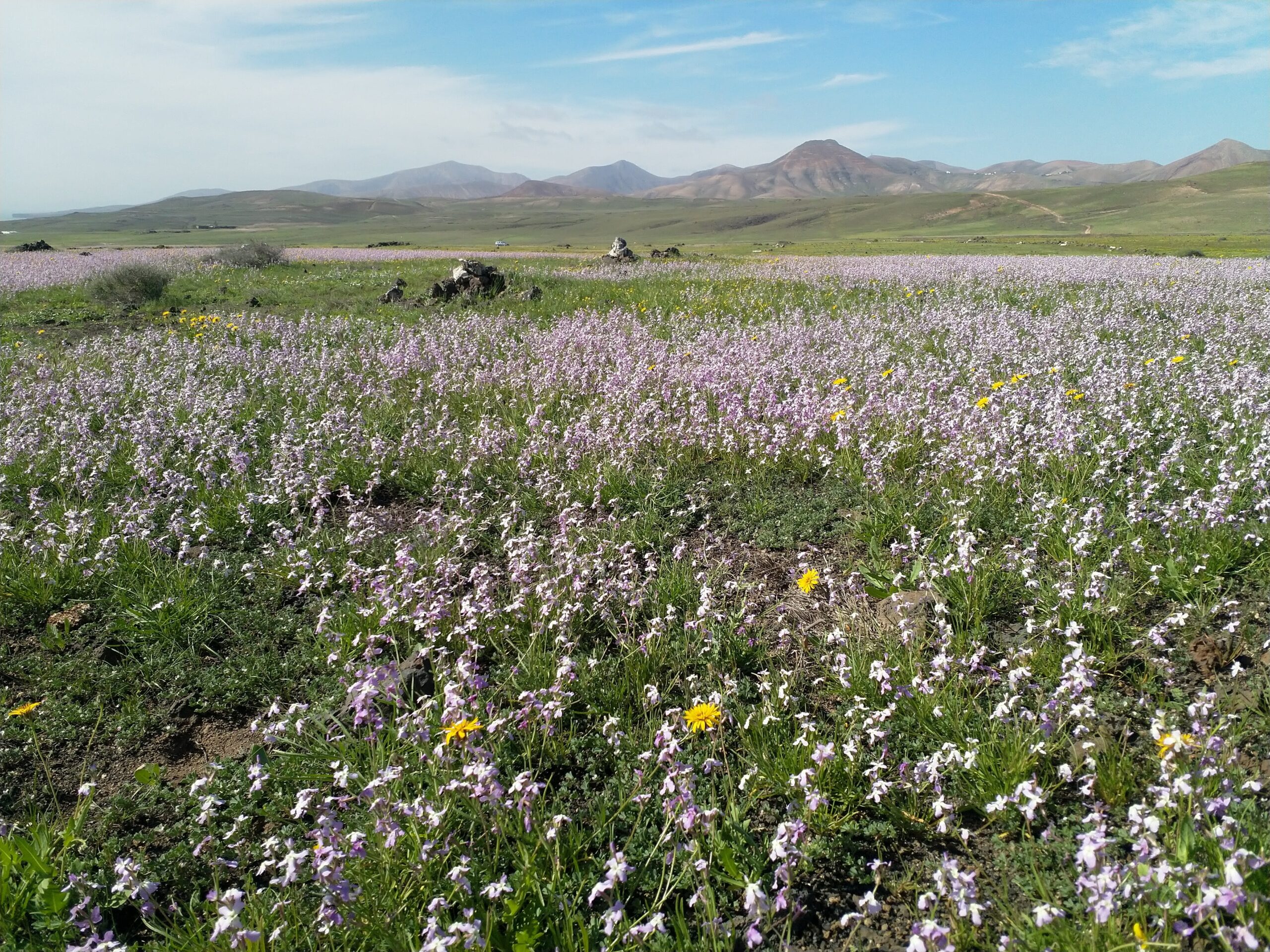
Breathtaking views. And this is where the idea to go paragliding on Gran Canaria came from — even though I swore that as someone with a fear of heights, I would never do anything like that. A couple of rather colourful words may have been directed at the person who suggested it. 😀 I definitely want to come back here to try paragliding though, because the scenery is just that incredible. Videos and photos never do landscapes justice, but these should give you some sense of the atmosphere.
What might experienced paragliders think while gliding through scenery like this?
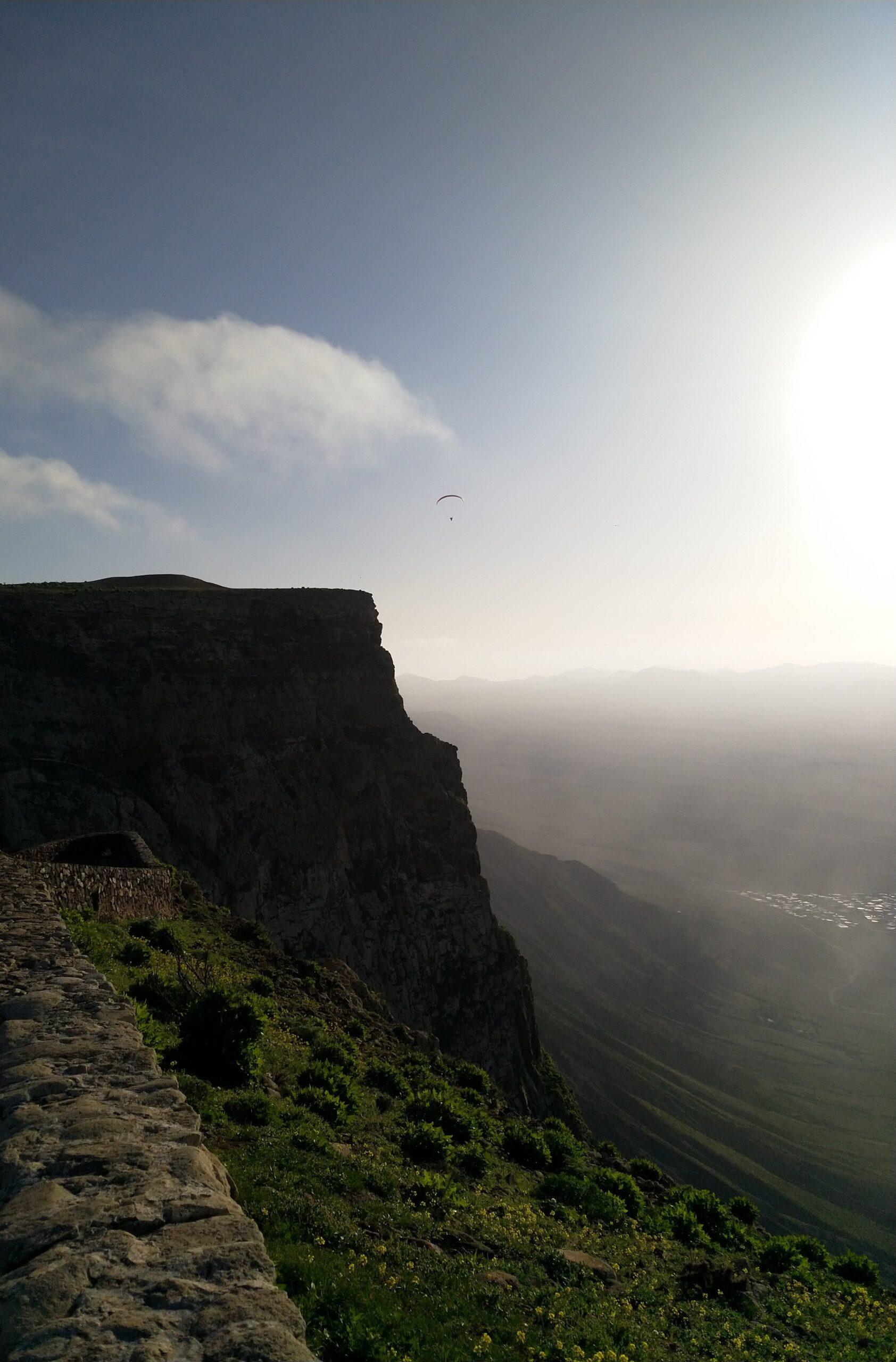
BONUS viewpoint: Mirador del Río (€5 entry)
Offers excellent views of Graciosa, the eighth official Canary Island, which can largely be seen in the photo below.

#4 Jameos del Agua
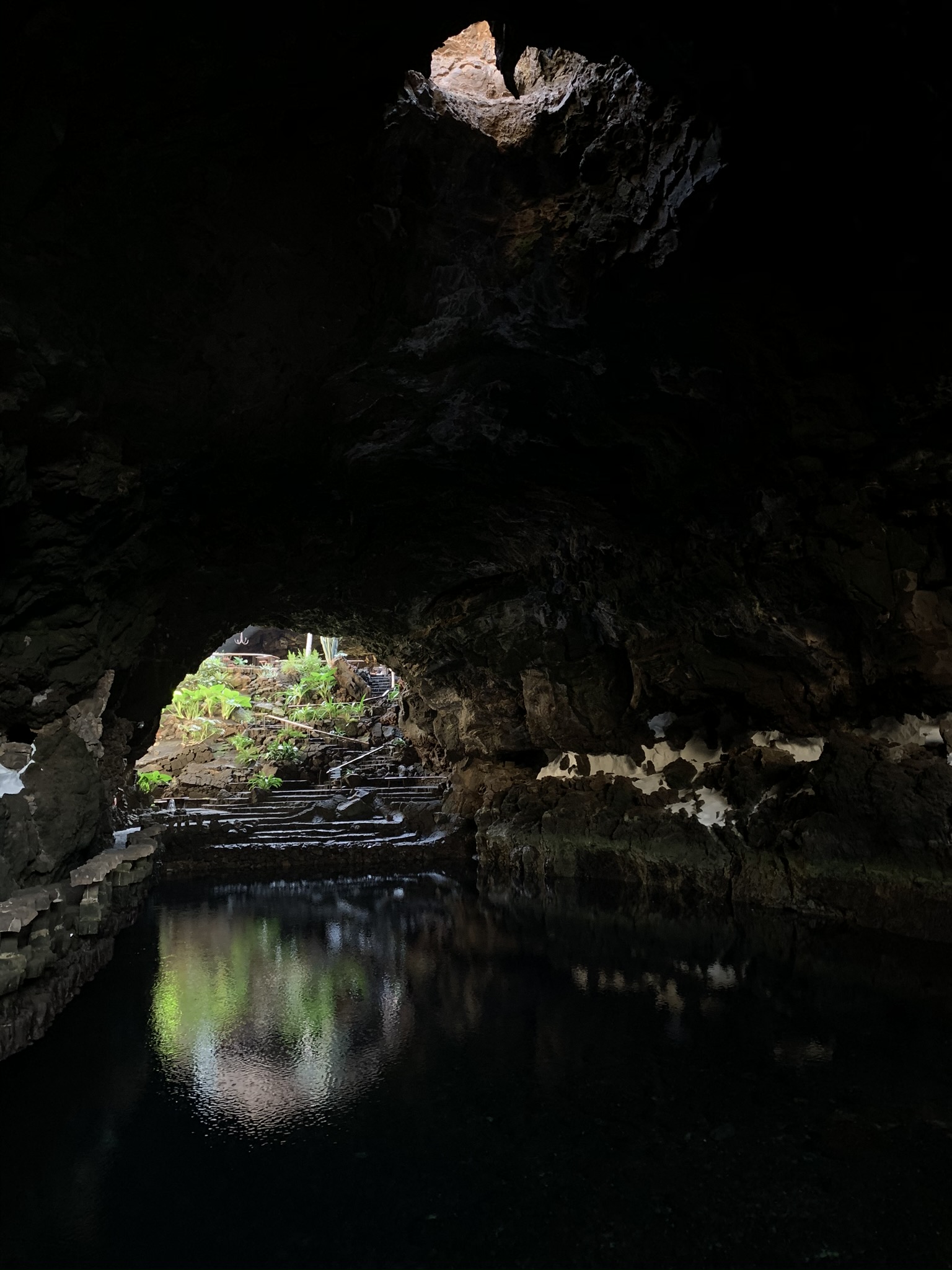
A stunning natural formation created from a volcanic crater. Jameos del Agua was designed by Lanzarote’s most famous artist and architect César Manrique, and it’s one of his most important works. It’s beautifully designed and built to blend as seamlessly as possible with the surrounding nature.
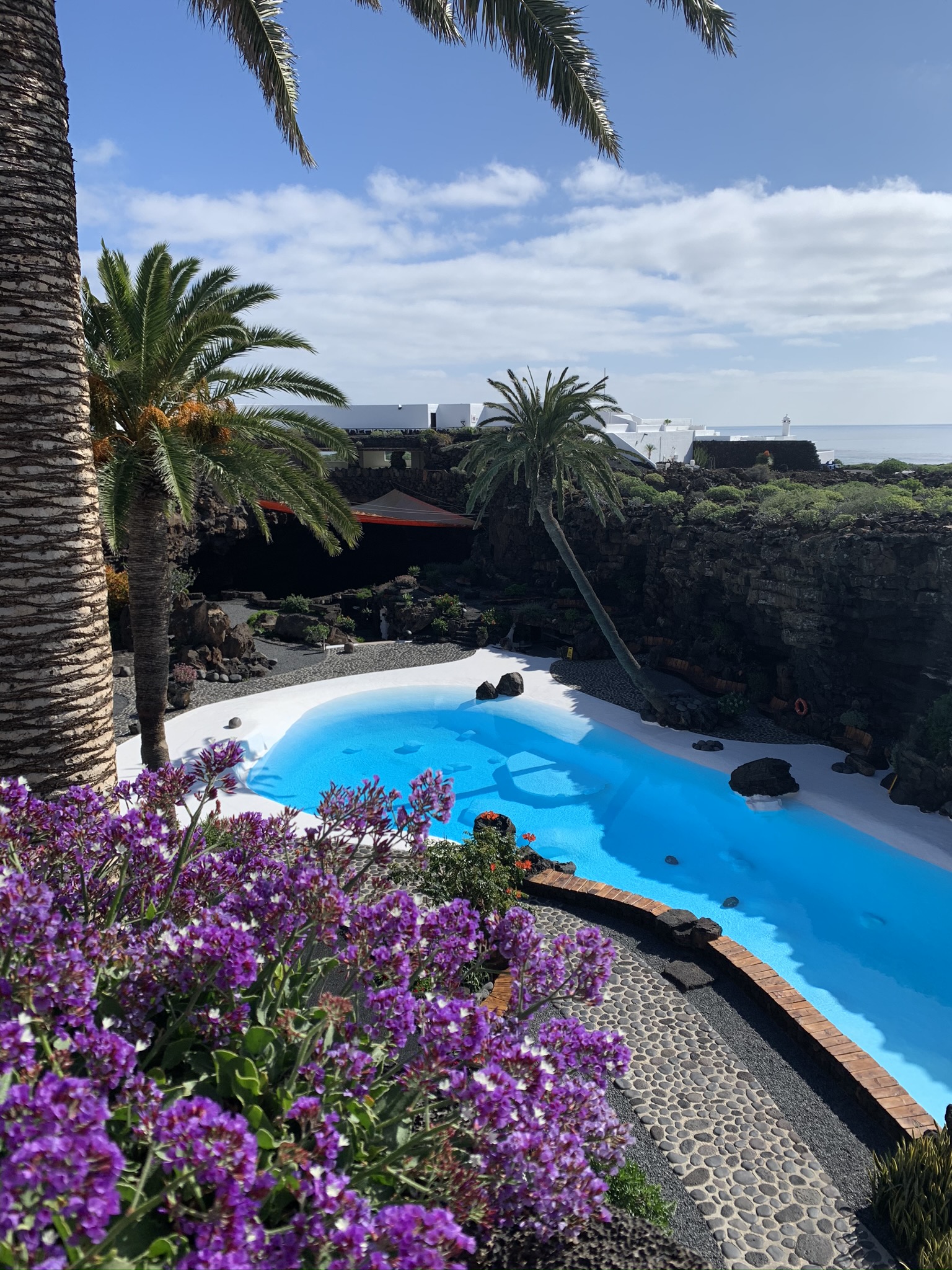
Jameos del Agua’s most distinctive feature is its inner crater, full of beautiful limestone formations and crystal-clear water. Inside the crater there’s also a small lake filled with tiny blind crabs that have adapted to living in this environment.
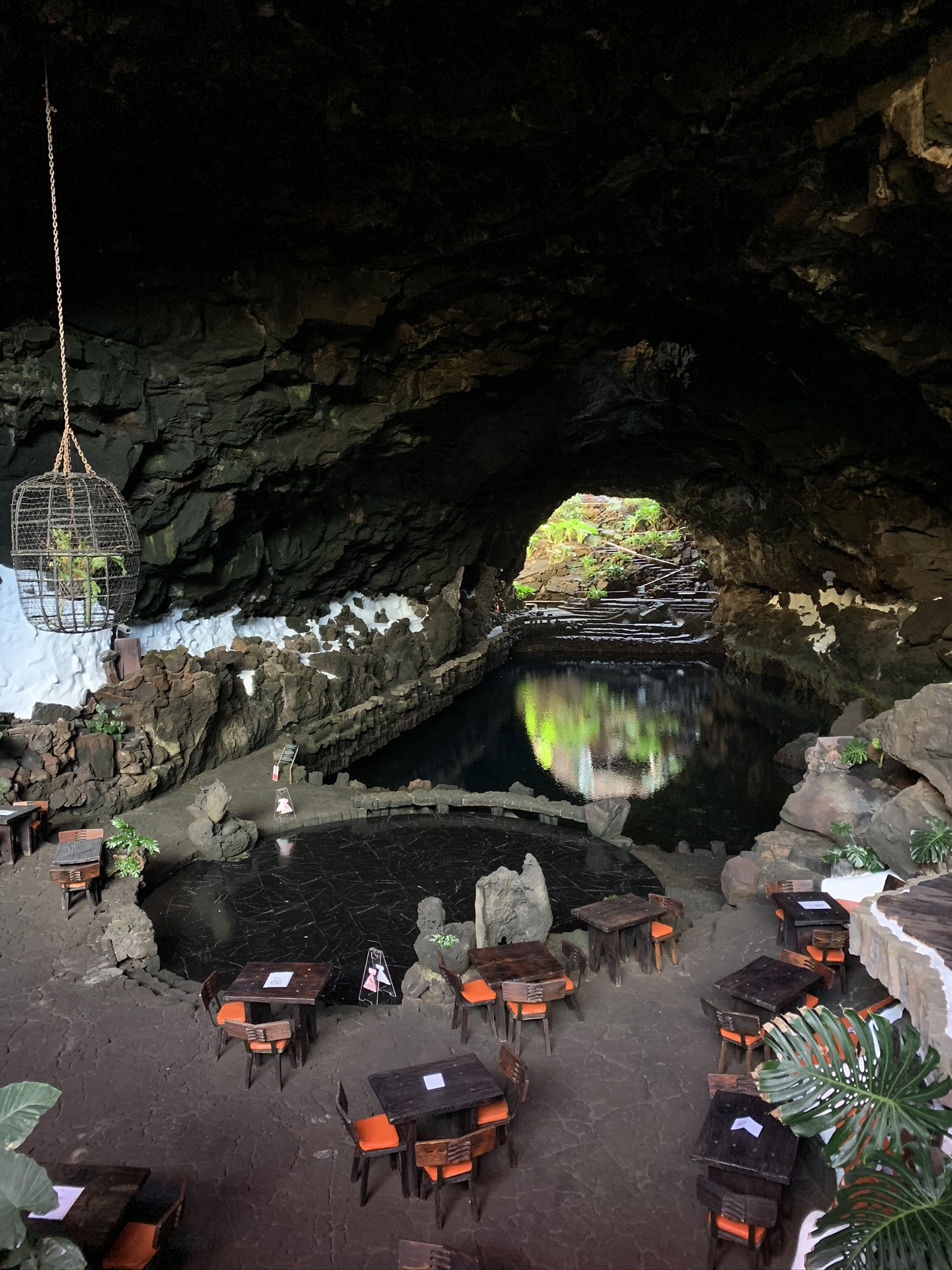
Inside the natural formation there’s also a restaurant, bar, and small museum. Jameos del Agua is also famous for its concert hall built inside the formation. The hall reportedly has superb acoustics, and various concerts and music events are regularly held there.
#5 Playa Honda
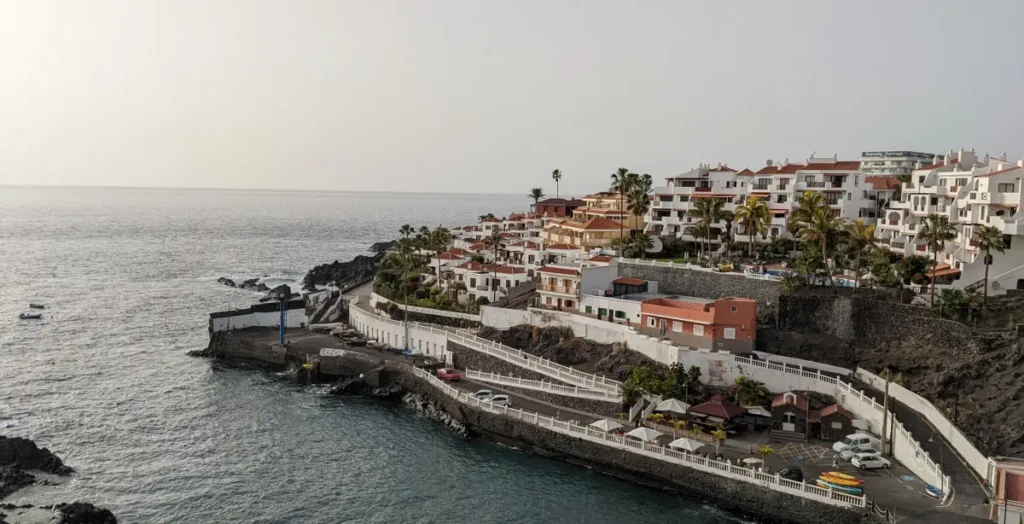
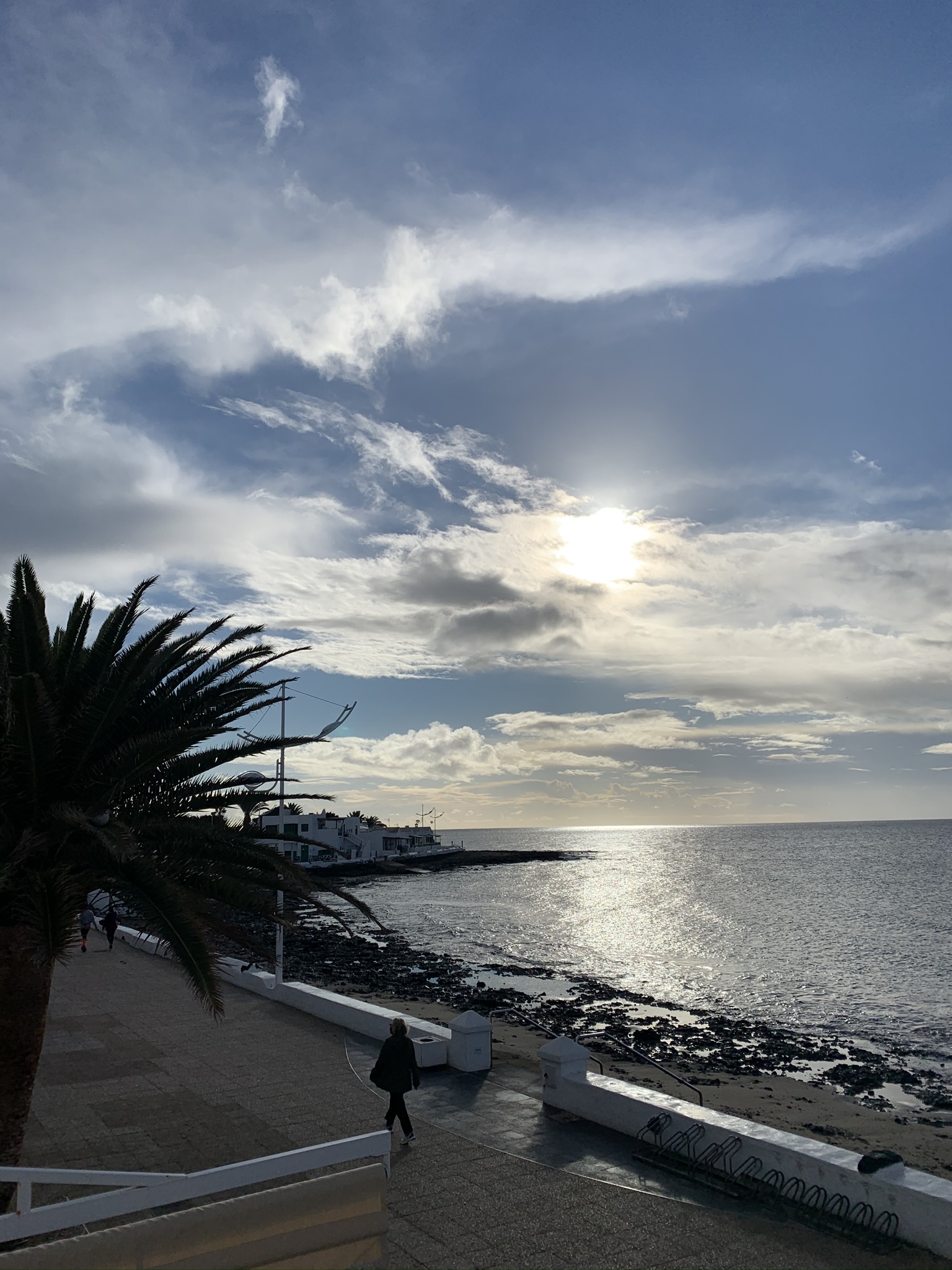
A charming small beach town on Lanzarote’s east coast, popular for its pleasant beach, clear water, and beautiful buildings. We stayed here for at least a couple of nights, and it was a nice change coming down from the mountain slopes to the sea — rubbing sleep from your eyes in the morning while gazing at the shimmering ocean right beside you.
Playa Honda’s location is also very convenient, just a few kilometres from Lanzarote’s capital Arrecife. The city of Arrecife offers visitors historical monuments and sights too. Plus, Lanzarote’s airport is only 3 km away.
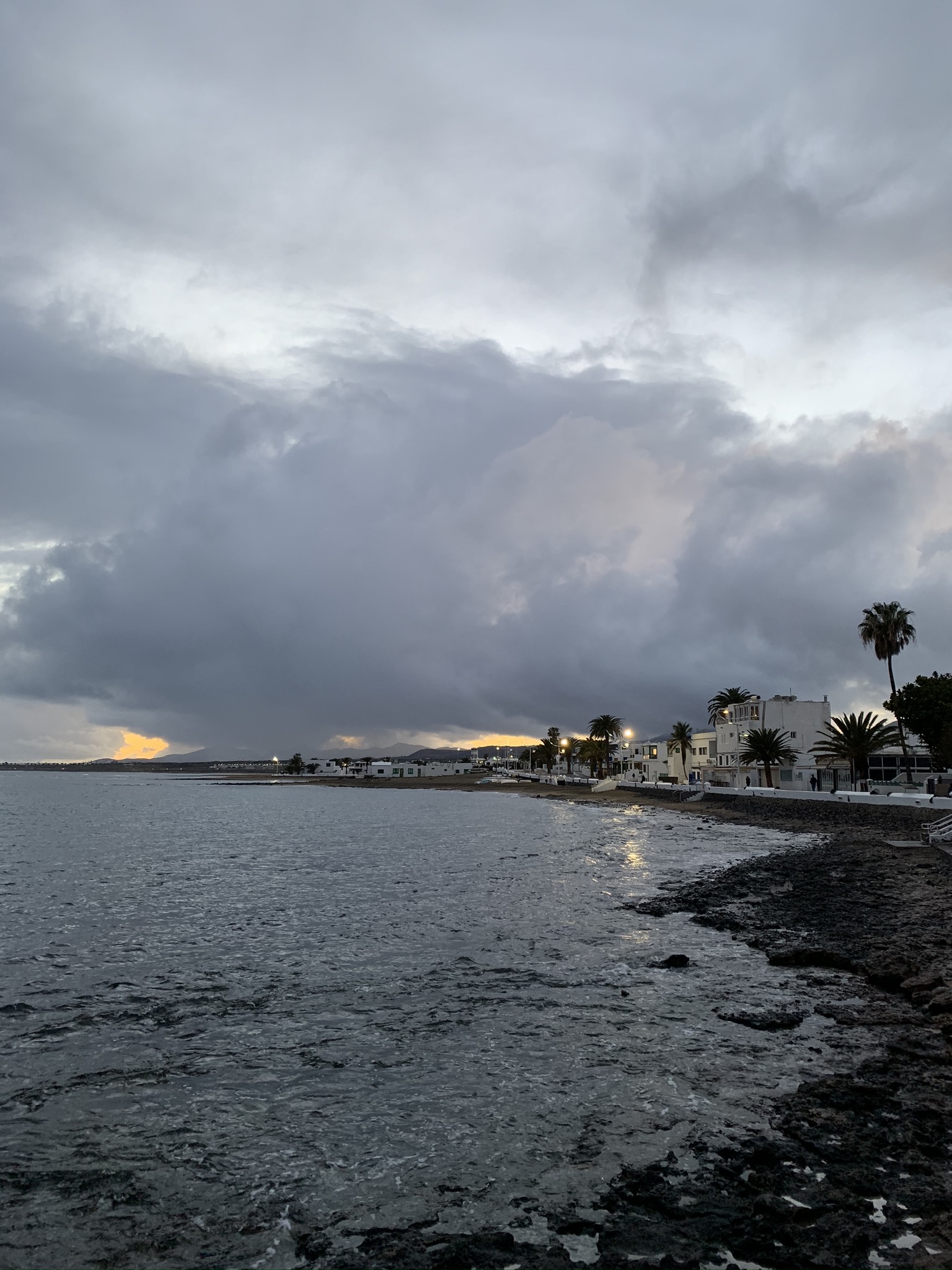
Walking past scenery like this in the morning, the mind rests and café con leche tastes even better than usual — at least for me. 🙂
OTHER ISLANDS
Get Spain travel tips in your inbox
Occasional, genuinely useful emails — best times to visit, local tips, and deals. No spam.
Plan your trip to Spain
- Trip.com: A great source for finding flights and airport connections. I have noticed that it finds flight connections that some other search engines miss.
- Booking.com: My favourite site for booking hotels and apartments (and occasionally flights). They have the best filters and I like the user friendly interface.
- Hotels.com: The most popular hotel booking platform in many countries, US included.
- Get Your Guide: A massive selection of tours and excursions. They have tons of options available in Spain, including walking tours, cooking classes, museum options, boat tours and more!
- DiscoverCars: Want to explore charming villages and get out of the busy cities? DiscoverCars pools together the best offers from car rental operators for your convenience.
- Omio: Want to find the best option to move between cities in Spain? I use Omio for that. Plus you get to book the ticket from the same amazing platform.
- Klook: Need a local SIM card for your trip to Spain? A stress free holiday nowadays (unfortunately) might start from a good connection, so get an affordable eSIM here.
- VisitorCoverage: Not interested in checking out Spanish public health care system on your holiday? (like I've managed to do..) A cheap travel insurance gets that stress out of the way.
Some links above are affiliate links. If you book through them I may earn a small commission, at no extra cost to you.