Malaga Travel Guide: What to Know Before You Visit
This post contains affiliate links. If you book through them, I may earn a small commission at no extra cost to you.
Why Visit Malaga?
Malaga gets over 300 days of sunshine a year, but that’s not even the best part. This is a city where a Moorish fortress and a Picasso museum sit ten minutes apart on foot, and you can eat grilled sardines on the beach for lunch and still be back in the old town for vermouth by evening. It’s Andalusia’s second-largest city, and it’s finally getting the attention it deserves as a destination, not just a layover on the way to Marbella.
This malaga travel guide covers everything you need for a first (or second) visit: what to see, where to sleep, how to get the airport train into town for under €2, and the mistakes that trip up most visitors. If you’re also exploring other parts of the country, check out our Spain travel FAQs for broader planning advice.
Best Things to Do in Malaga
Cultural Highlights
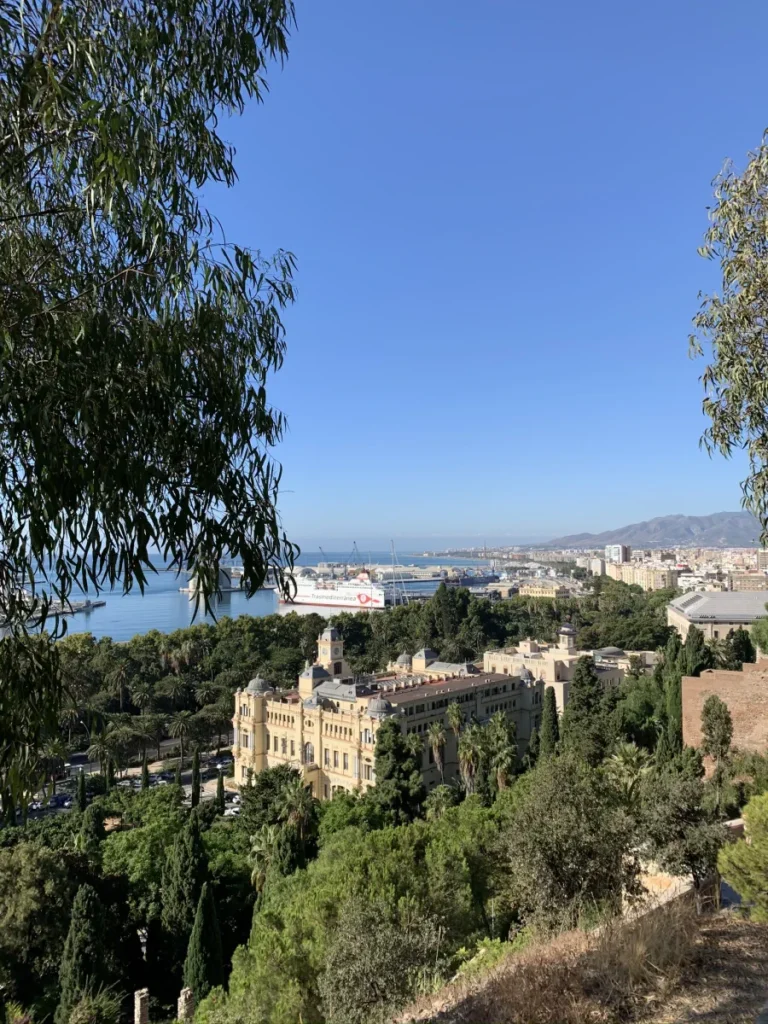
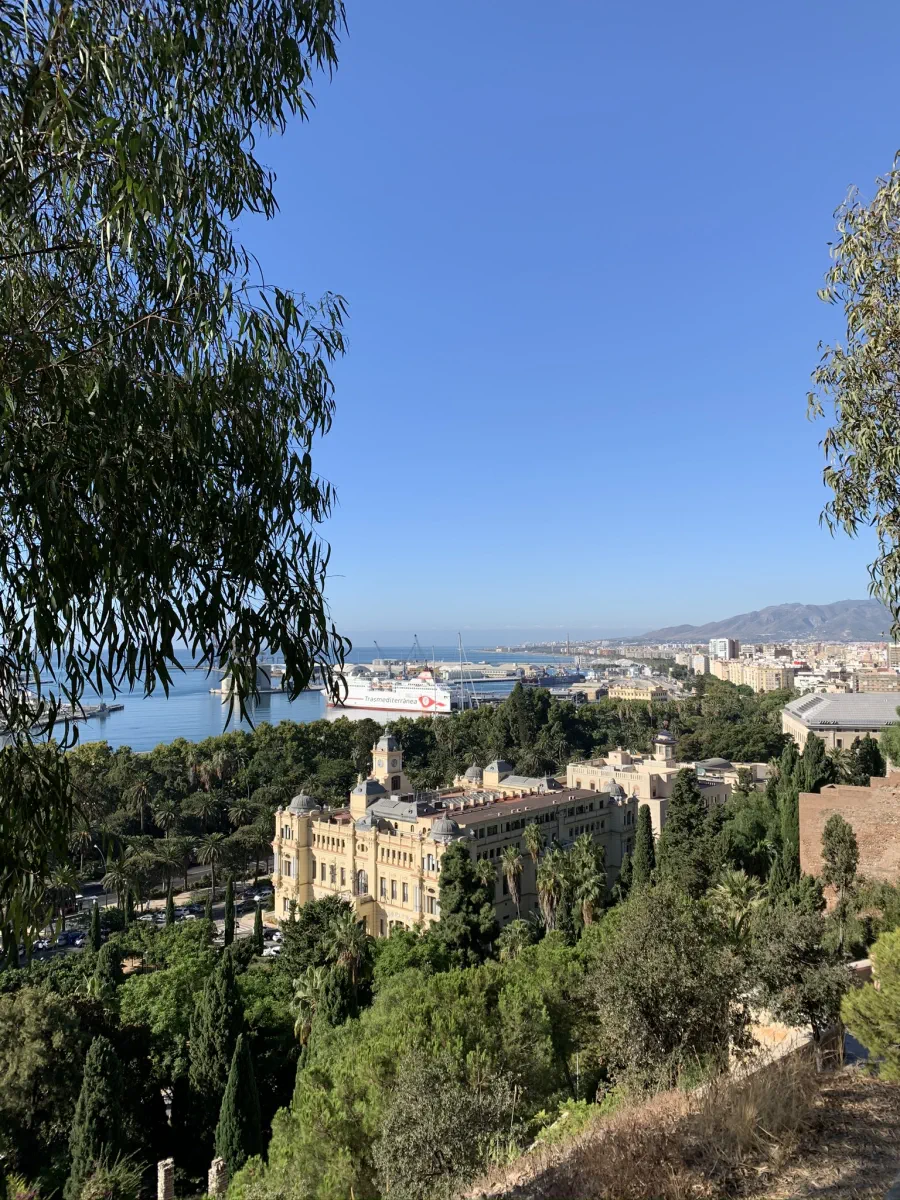
- The Alcazaba – Malaga’s 11th-century Moorish fortress sits on a hill above the city center. Entry is around €3.50, and the upper terraces give you a clear sightline across the port to the sea. Go before 10 AM; by midday the exposed walkways get punishing in summer. Couples especially love the garden courtyards.
- Roman Theatre – Sitting directly below the Alcazaba, this 1st-century BC theatre was rediscovered in 1951 during construction work. It’s free to visit and takes about 15 minutes to walk through.
- Picasso Museum – Housed in a 16th-century palace, the permanent collection holds over 230 works. Entry is around €12. Sundays during the last two hours before closing are free, which means crowds. Weekday mornings are calmer.
- Centre Pompidou Málaga – You’ll spot it by the multicolored glass cube at the port. The rotating exhibitions lean contemporary, and it’s a solid rainy-day option. Around €9 for entry.
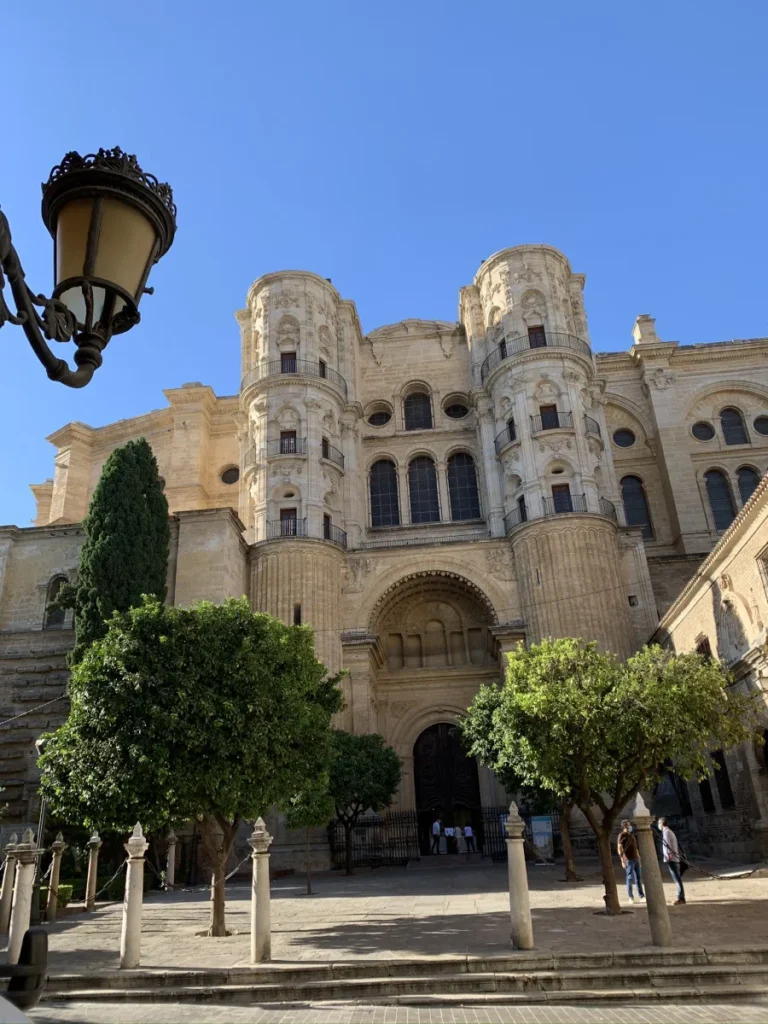
- The Cathedral (La Manquita) – Locals call it “the one-armed lady” because one of its two planned towers was never finished (the money went to fund the American Revolution instead). Rooftop tours offer some of the best elevated views in the city. About €8 for entry including the roof.
Beaches and Outdoor Activities
Malagueta Beach is the closest to the city center, roughly a 15-minute walk from the old town. It’s well-maintained, has rental loungers at budget-friendly rates, and gets packed on summer weekends. For a quieter experience, head east to Pedregalejo, a former fishing village where the beach is narrower but the chiringuitos (beach bars) are more laid-back and local.
Water temperatures hover around 16-18°C in spring, climb to 23-25°C by August, and stay swimmable through October. Families with kids will find the calmer stretches near Pedregalejo easier than Malagueta’s sometimes-choppy waves.
For a day trip that’s worth the drive: Caminito del Rey, a walkway pinned to the walls of a narrow gorge about an hour north. It used to be called the most dangerous path in the world (it was rebuilt and is now safe). Book tickets online in advance; they sell out weeks ahead in high season.
Food and Nightlife
Eat at Atarazanas Market at least once. The 19th-century iron-and-glass building holds dozens of stalls selling produce, seafood, and cured meats. Grab a stool at one of the market bars for a plate of fried fish and a cold beer. Meals here land in the budget range.
The thing you have to try: espeto sardines. Skewered on bamboo sticks and grilled over a wood fire right on the sand, they’re the unofficial symbol of Malaga. The chiringuitos along Pedregalejo serve them best. A skewer costs a few euros.
For tapas, wander the streets around Plaza de la Merced and Calle Granada. A menú del día (set lunch) at most sit-down restaurants is a budget-friendly deal that typically includes a drink. The Soho district south of the Alameda has newer cocktail bars and street art murals if you want a different vibe after dinner.
What to See in Malaga in One Day
Short on time? Here’s a route that covers the essentials without sprinting:
- 9:00 AM – Start at the Alcazaba and Roman Theatre. The fortress takes about an hour if you don’t rush.
- 10:30 AM – Walk down to the Cathedral. Do the rooftop tour for the views.
- 12:00 PM – Lunch at Atarazanas Market. Grab seafood, a drink, and people-watch.
- 1:30 PM – Picasso Museum. Budget 60-90 minutes depending on your interest level.
- 3:30 PM – Wander the old town streets. Calle Larios is the main pedestrian artery, lined with shops and cafés.
- 6:00 PM – Sunset drinks at a rooftop bar near the port (the AC Hotel rooftop is a popular pick).
- 8:30 PM – Dinner in Pedregalejo. Take a bus or taxi east and eat espeto sardines with your feet practically in the sand.
This itinerary works for couples and solo travelers especially well. Families might swap the Picasso Museum for time at Malagueta Beach instead.
Where to Stay in Malaga
Centro Histórico is where most first-time visitors should book. You’re walking distance to every major sight, and the evening atmosphere is lively. Mid-range hotels and apartments are the norm here, and prices sit well below what you’d pay in Barcelona or Madrid for a comparable location.
Soho, just south of the historic center, attracts a younger crowd. Street art covers the buildings, the restaurants are a little more experimental, and nightly rates trend slightly lower than the old town. Good for solo travelers and couples.
Malagueta puts you on the beachfront. Families like it for the easy sand access, and there are several apartment-style hotels in the mid-range bracket.
Pedregalejo is for travelers who want a neighborhood feel. Budget-friendlier options here, sometimes surprisingly affordable for a studio apartment. The trade-off is being 15-20 minutes from the center by bus.
Overall, Malaga is noticeably cheaper than Barcelona or Madrid for accommodation and dining, which means your money stretches further here. Check our money-saving tips for your Spain holiday for ways to cut costs even more.
Getting to and Around Malaga
Málaga-Costa del Sol Airport (AGP) is one of Spain’s busiest, with direct flights from most major European cities and seasonal routes from North America. It’s only 8 km from the city center.
Your cheapest option into town: the Cercanías commuter train, line C1. It costs €1.80, takes about 12 minutes to María Zambrano station, and runs every 20 minutes. Taxis to the center cost roughly €20 and take 15-20 minutes depending on traffic.
Once you’re in the city, walk. Malaga’s center is compact, and almost everything in this guide is within a 20-minute stroll. For beaches further east or the Soho district, the city bus system is reliable and costs €1.30 per ride.
You only need a car if you’re exploring the wider Costa del Sol, heading to Caminito del Rey, or doing day trips to Ronda or Granada. Our guide to renting a car in Spain covers what to watch out for with insurance and tolls.
Best Time to Visit Malaga
April through June and September through October are the sweet spot. Temperatures sit between 20-28°C, beaches are usable but not sardine-packed, and hotel prices haven’t hit their summer peak. September in particular is excellent because the sea is still warm from summer. Here’s what to expect in Spain in September if you’re considering that window.
July and August bring temperatures above 35°C, crowded beaches, and the highest prices of the year. If summer is your only option, book accommodation early and plan indoor activities for the 1-4 PM heat.
Winter (December-February) is mild at 12-18°C. You won’t be swimming, but sightseeing is comfortable, flights are cheap, and the city feels refreshingly uncrowded. The Christmas lights along Calle Larios draw visitors from all over Andalusia.
Practical Tips for Visiting Malaga
- Siesta is real. Many small shops and some restaurants close between 2-5 PM. Plan museum visits or beach time for those hours instead of shopping.
- Tipping: Not obligatory in Spain. Rounding up the bill or leaving 5-10% at sit-down restaurants is appreciated but not expected.
- Tap water is safe to drink everywhere, though it can taste slightly mineral-heavy. Bottled water is cheap at supermarkets if you prefer it.
- English is widely spoken in tourist areas, but a few words of Spanish (“gracias,” “por favor,” “la cuenta”) go a long way.
- Sunscreen, always. Even in December the UV index can be surprisingly high. Malaga is further south than most people realize.
- Free museum Sundays: The Picasso Museum and several others offer free entry during the last hours on Sunday afternoons. Arrive early for these slots because word is out.
For more general planning advice, browse our collection of more Spain travel tips.
Frequently Asked Questions About Malaga
Is Malaga worth visiting?
Absolutely. It’s one of the most underrated cities on Spain’s Mediterranean coast. The combination of culture, food, beaches, and affordability makes it easy to recommend over more tourist-heavy destinations. Two days is enough to hit the highlights; give it three or four if you want to relax.
How many days do you need?
2-3 days covers the city itself comfortably. Add 1-2 more days if you want to include day trips to Caminito del Rey, Ronda, or Granada. Spending a full week is easy if you mix city days with beach days and excursions along the Costa del Sol.
Is Malaga safe for tourists?
Yes. Malaga is generally a safe city. The usual precautions apply: watch your belongings in crowded areas and on the beach, avoid leaving bags unattended at café tables, and be aware of your surroundings late at night. Violent crime affecting tourists is rare.
Is Malaga expensive?
Compared to Barcelona, Lisbon, or the French Riviera, Malaga is a bargain. A couple can eat well on a modest daily budget, accommodation varies by neighborhood and season but trends affordable across the board, and many of the best experiences (walking the old town, beaches, market visits) cost nothing. If you’re heading to other Spanish destinations too, our Alicante travel guide covers another affordable coastal option worth considering.
Get Spain travel tips in your inbox
Occasional, genuinely useful emails — best times to visit, local tips, and deals. No spam.
Plan your trip to Spain
- Trip.com: A great source for finding flights and airport connections. I have noticed that it finds flight connections that some other search engines miss.
- Booking.com: My favourite site for booking hotels and apartments (and occasionally flights). They have the best filters and I like the user friendly interface.
- Hotels.com: The most popular hotel booking platform in many countries, US included.
- Get Your Guide: A massive selection of tours and excursions. They have tons of options available in Spain, including walking tours, cooking classes, museum options, boat tours and more!
- DiscoverCars: Want to explore charming villages and get out of the busy cities? DiscoverCars pools together the best offers from car rental operators for your convenience.
- Omio: Want to find the best option to move between cities in Spain? I use Omio for that. Plus you get to book the ticket from the same amazing platform.
- Klook: Need a local SIM card for your trip to Spain? A stress free holiday nowadays (unfortunately) might start from a good connection, so get an affordable eSIM here.
- VisitorCoverage: Not interested in checking out Spanish public health care system on your holiday? (like I've managed to do..) A cheap travel insurance gets that stress out of the way.
Some links above are affiliate links. If you book through them I may earn a small commission, at no extra cost to you.